
Top Trends in Beverage Expo Exhibits That Are Transforming the Trade Show Industry
The beverage industry is constantly evolving, with brands introducing innovative products, exploring new consumer preferences, and adopting creative marketing strategies to remain competitive. Trade shows have become important platforms for beverage manufacturers, distributors, suppliers, and retailers to showcase their latest offerings and establish valuable business connections. Modern Beverage expo exhibits are also changing how companies present their products, interact with visitors, and communicate their brand identity. From interactive product sampling stations and immersive digital displays to sustainable booth materials and personalized visitor experiences, several new trends are transforming exhibition environments. Understanding these trends can help beverage companies create attractive booths, improve audience engagement, and achieve better results at industry events.
1. Interactive Product Sampling Experiences
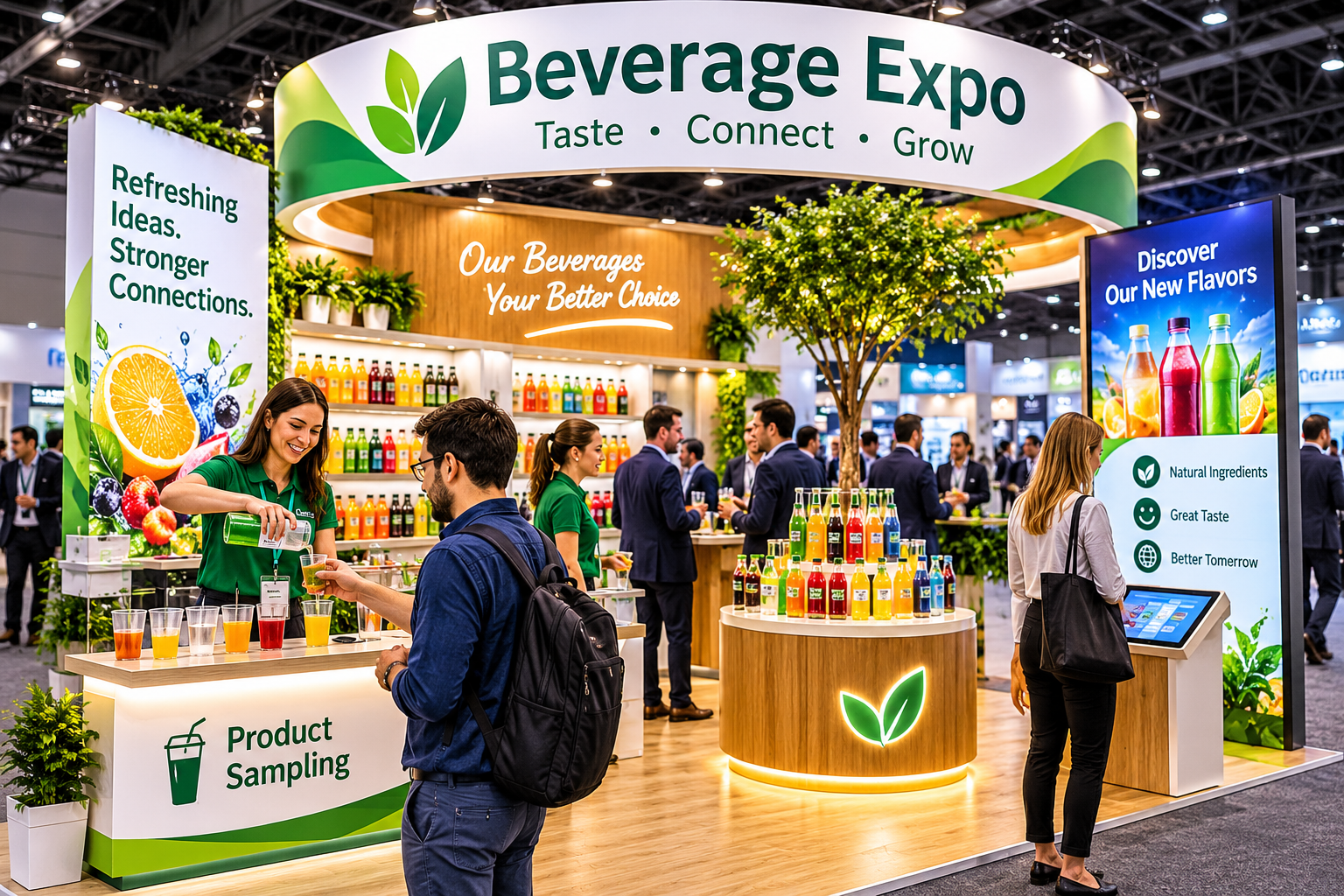
Product sampling has always been an important part of beverage exhibitions. However, modern brands are taking this traditional approach further by creating interactive sampling experiences that encourage visitors to participate.
Instead of simply distributing free drinks, companies are designing dedicated tasting stations where visitors can explore different flavors, compare products, and learn about ingredients.
For example, a juice manufacturer might introduce a tasting counter featuring several fruit combinations, while a coffee company could organize live brewing demonstrations.
Popular sampling ideas include:
-
Guided beverage tasting sessions.
-
Flavor comparison activities.
-
Live drink preparation demonstrations.
-
Limited-edition product sampling.
-
Visitor voting for favorite flavors.
These experiences allow potential customers to understand product quality directly. They also encourage visitors to spend more time at the booth and create opportunities for meaningful conversations with brand representatives.
2. Sustainable and Eco-Friendly Booth Designs
Sustainability is becoming an important consideration across the food and beverage industry. Companies are increasingly looking for ways to communicate environmental responsibility through their exhibition presentations.
One noticeable trend is the use of reusable, recyclable, and responsibly sourced booth materials.
Modern exhibition designs can incorporate reusable aluminum structures, recyclable graphics, energy-efficient lighting, and environmentally conscious decorative elements.
Some practical sustainable booth ideas include:
-
Reusable modular exhibition structures.
-
LED lighting systems.
-
Recyclable display materials.
-
Digital product catalogs.
-
Reusable product presentation counters.
-
Eco-friendly decorative finishes.
This approach can reduce unnecessary exhibition waste while creating a professional brand environment.
For beverage companies promoting organic products, natural ingredients, or environmentally responsible packaging, sustainable booth designs can also reinforce their brand messaging.
3. Immersive Digital Display Technology
Digital technology is changing how beverage companies communicate with exhibition visitors. Traditional printed graphics are increasingly being complemented by digital screens, video walls, interactive displays, and animated product presentations.
These technologies allow brands to present information in more engaging formats.
For instance, a beverage manufacturer can use large digital screens to showcase its production process, explain ingredient sourcing, introduce new flavors, or display promotional videos.
Interactive digital displays can also allow visitors to explore product categories and learn about nutritional information.
Some popular digital exhibition elements include:
LED Video Walls: Display product advertisements, brand stories, and promotional campaigns.
Interactive Touchscreens: Allow visitors to explore product information independently.
Digital Catalogs: Provide access to product specifications and company information.
QR Code Displays: Connect visitors to websites, ordering platforms, and digital brochures.
Animated Graphics: Create movement and attract attention from nearby exhibition aisles.
The most effective digital displays are those that communicate useful information while supporting the overall booth experience.
4. AI-Powered Personalized Visitor Experiences
Artificial intelligence is creating new opportunities for exhibitors to understand visitors and deliver more personalized experiences.
Instead of presenting the same information to every attendee, beverage companies can use digital tools to recommend products based on visitor interests and preferences.
For example, an interactive product recommendation system could help visitors explore beverages based on their preferred flavors, ingredients, or dietary requirements.
AI-powered tools can also support exhibition teams by organizing visitor information, summarizing conversations, and identifying potential business leads.
Practical applications include:
-
AI-powered product recommendation kiosks.
-
Digital assistants for answering common product questions.
-
Personalized product catalogs.
-
Automated lead categorization.
-
Smart visitor registration systems.
However, AI should support human interaction rather than replace it. Visitors should still have opportunities to speak with knowledgeable representatives and receive accurate product information.
5. Minimalist Booth Designs with Bold Branding
Another important trend is the growing popularity of minimalist exhibition booth designs.
In the past, many exhibitors tried to attract visitors by filling their booths with numerous promotional graphics, product displays, decorative elements, and information panels. Modern designs increasingly focus on simplicity and clear communication.
A minimalist booth can create a premium appearance while making important products and brand messages easier to recognize.
For beverage companies, this approach can include:
-
Clean product display counters.
-
Large and recognizable brand logos.
-
Simple background graphics.
-
Limited but effective color combinations.
-
Organized product arrangements.
-
Clear promotional headlines.
For example, a premium bottled water company might use a white-and-blue color palette, transparent display shelves, and subtle lighting to communicate purity and quality.
Minimalist designs are particularly useful when brands want their products to remain the main attraction.
6. Modular and Reusable Exhibition Structures
Flexibility is becoming increasingly important for companies participating in multiple exhibitions throughout the year.
Instead of constructing a completely new booth for every event, beverage companies can invest in modular exhibition structures that can be reconfigured according to different venue sizes and requirements.
Modular booths typically consist of reusable structural components, interchangeable graphics, display counters, and adaptable lighting arrangements.
Their benefits include:
Cost Efficiency: Reusing structural components can reduce repeated construction expenses.
Design Flexibility: Booth layouts can be adjusted for different exhibition spaces.
Convenience: Standardized components can simplify transportation and installation.
Consistent Branding: Reusable graphics and structures help maintain a recognizable brand identity.
Reduced Waste: Reusing booth materials can limit the need for disposable construction elements.
For growing beverage businesses, modular exhibition solutions can provide a practical way to maintain a professional presence across several industry events.
7. Live Beverage Preparation Demonstrations
Live demonstrations are becoming an effective way to turn ordinary product displays into engaging exhibition experiences.
Visitors often enjoy seeing how products are prepared, mixed, served, or presented. Beverage companies can use this interest to demonstrate product quality and introduce new consumption ideas.
For example, a coffee brand could organize live brewing demonstrations, while a juice manufacturer could showcase fresh fruit combinations.
A beverage equipment company might demonstrate how its machines prepare drinks efficiently.
To create a successful demonstration area:
-
Choose products that can be demonstrated safely and efficiently.
-
Design a dedicated preparation counter.
-
Use clear signage to explain the demonstration.
-
Schedule demonstrations at convenient intervals.
-
Keep the area clean and organized.
-
Allow visitors to ask questions and taste finished products.
Live demonstrations create opportunities for direct engagement and help visitors understand how products can be used in real-world situations.
8. Multi-Sensory Exhibition Experiences
Modern exhibition design is moving beyond visual presentation. Brands are increasingly exploring experiences that engage multiple senses.
For beverage companies, this creates exciting opportunities because drinks naturally involve taste, aroma, appearance, and texture.
A multi-sensory booth might combine attractive product displays with beverage tasting, coffee aromas, ambient lighting, and carefully selected background music.
For example, a specialty tea company could create a relaxing tasting environment with warm lighting, natural decorations, and the aroma of freshly prepared tea.
A premium coffee brand could introduce a dedicated coffee experience featuring different brewing methods and freshly ground coffee aromas.
Some ideas include:
-
Aroma-based product discovery.
-
Guided beverage tasting.
-
Interactive flavor experiences.
-
Visually appealing drink preparation.
-
Comfortable themed seating areas.
The important consideration is balance. Sensory elements should support the product experience without creating discomfort or distracting nearby exhibitors.
9. Social Media-Friendly Booth Designs
Social media is becoming an important part of exhibition marketing. Companies are designing booth environments that encourage visitors to photograph, record, and share their experiences.
A visually attractive booth can generate additional exposure when attendees publish photographs or videos on their social media accounts.
Beverage companies can create shareable experiences through:
-
Branded photography walls.
-
Creative product display installations.
-
Attractive beverage preparation counters.
-
Interactive digital backgrounds.
-
Unique tasting stations.
-
Branded hashtags and social media campaigns.
For instance, a colorful energy drink display could include a dedicated photography area where visitors can take pictures with newly launched products.
Companies should make sure their branding is visible in photographs without making the environment look overly promotional.
According to the 2026 EventTrack trade show attendee recap, 62% of surveyed trade show attendees share experiences on social media. This highlights the potential value of designing experiences that visitors genuinely want to share.
10. Augmented Reality and Virtual Reality Experiences
Augmented reality (AR) and virtual reality (VR) are providing new ways for beverage brands to communicate their stories.
These technologies allow visitors to explore information that may be difficult to present through physical displays alone.
For example, an augmented reality experience could show how a beverage bottle is manufactured when a visitor scans a product label using a compatible device.
A virtual reality presentation could take visitors through a company's production facility, ingredient sourcing locations, or distribution network.
Possible applications include:
Virtual Factory Tours: Show visitors how beverages are produced and packaged.
Interactive Packaging Experiences: Display additional product information through augmented reality.
Brand Storytelling: Present the company's history and manufacturing journey.
Virtual Product Exploration: Introduce different products through immersive digital environments.
Interactive Campaigns: Allow visitors to participate in branded digital activities.
These technologies are particularly valuable for brands that want to communicate complex processes or create memorable experiences without relying entirely on physical displays.
11. Personalized Product Discovery Stations
Consumers have different beverage preferences, and modern exhibition booths are increasingly using personalized product discovery to improve engagement.
Instead of presenting every product in the same way, companies can create dedicated discovery stations based on different customer interests.
For example, a beverage manufacturer might organize product categories around:
-
Sugar-free beverages.
-
Organic drinks.
-
Energy and sports beverages.
-
Fruit-based drinks.
-
Functional beverages.
-
Premium coffee and tea.
Visitors can explore products that match their interests and receive relevant information from booth representatives.
Interactive questionnaires or digital recommendation systems can make this experience even more engaging.
Personalized discovery also helps sales teams understand which product categories attract the most attention.
12. Smart Refrigerated Product Displays
Refrigerated product displays are becoming an important design feature for beverage exhibitions.
Since many beverages are best experienced when served at an appropriate temperature, branded refrigerators can improve both product presentation and sampling operations.
Modern display refrigerators can be integrated into custom exhibition counters, illuminated shelving systems, and branded product walls.
Some useful design ideas include:
-
Glass-front refrigerators with branded graphics.
-
Illuminated beverage shelving.
-
Organized flavor sections.
-
Dedicated new-product refrigerators.
-
Temperature-controlled sampling stations.
For companies displaying cold drinks, juices, sparkling beverages, and ready-to-drink products, these displays combine functionality with visual appeal.
Proper temperature management and food safety procedures should always be followed.
13. Data-Driven Lead Generation and Visitor Tracking
Exhibitors are increasingly focusing on the quality of visitor interactions rather than simply counting booth traffic.
Digital lead capture tools can help beverage companies collect useful business information and organize potential opportunities.
For example, visitors can share their details through badge scanning, digital registration forms, or QR-enabled contact systems.
The collected information can help companies identify:
-
Potential distributors.
-
Retail purchasing managers.
-
Wholesale buyers.
-
Hospitality businesses.
-
Importers and exporters.
-
Industry suppliers.
Companies can also categorize leads according to product interest, purchasing requirements, and expected follow-up timelines.
This makes post-event communication more organized and helps sales teams prioritize promising business opportunities.
A successful lead generation strategy should always explain why visitor information is being collected and handle personal data responsibly.
14. Hybrid Exhibition Experiences
Hybrid exhibition strategies combine physical booth experiences with digital engagement.
Although face-to-face interaction remains important, beverage companies can use digital channels to connect with people who cannot attend an exhibition in person.
For example, companies can livestream product demonstrations, publish booth walkthrough videos, and share product presentations through digital platforms.
Other hybrid exhibition ideas include:
-
Virtual product presentations.
-
Online business meeting scheduling.
-
Digital product catalogs.
-
Livestreamed product launches.
-
Recorded tasting demonstrations.
-
Post-event digital follow-ups.
These activities extend the value of exhibition participation beyond the event venue.
A company can also publish recorded demonstrations after the exhibition to reach customers, distributors, and business partners who were unable to attend.
15. Compact Booths with High-Impact Experiences
A successful exhibition booth does not always need to occupy a large space.
Many beverage companies are discovering that smaller, strategically designed booths can deliver excellent visitor experiences when the available space is used effectively.
Compact booths can include a combination of product displays, sampling counters, digital screens, and branded graphics without becoming overcrowded.
To maximize a smaller exhibition space:
-
Use vertical product displays.
-
Install wall-mounted digital screens.
-
Choose multifunctional counters.
-
Keep the entrance open.
-
Use overhead branding where permitted.
-
Prioritize your most important products.
This approach can be particularly useful for startups and emerging beverage brands that want to participate in major industry exhibitions while managing their budgets.
16. Storytelling Through Exhibition Booth Design
Consumers and business buyers are often interested in understanding the story behind a beverage brand.
Modern exhibition booths are increasingly using visual storytelling to communicate company history, product development, ingredient sourcing, and manufacturing practices.
For example, an organic beverage company could create a visual journey showing how ingredients are sourced from farms and transformed into finished products.
A storytelling-focused booth might include:
-
Brand history walls.
-
Product development timelines.
-
Ingredient sourcing displays.
-
Manufacturing process videos.
-
Customer testimonials.
-
Sustainability information.
Storytelling helps visitors understand the brand beyond its packaging and product features.
It also creates opportunities for meaningful conversations between company representatives and potential customers.
17. Premium and Luxury Beverage Exhibition Designs
The premium beverage market requires a different presentation approach compared with everyday consumer products.
Luxury coffee, specialty tea, premium bottled water, craft beverages, and high-end drink brands often benefit from exhibition environments that communicate quality and exclusivity.
Modern premium booth designs may include marble-inspired surfaces, metallic finishes, elegant lighting, customized display shelves, and sophisticated color combinations.
Some effective design elements include:
-
Premium product presentation counters.
-
High-quality decorative materials.
-
Elegant lighting arrangements.
-
Customized product display cabinets.
-
Comfortable meeting spaces.
-
Minimalist brand graphics.
The objective is to create an environment that reflects the perceived value of the products.
A premium exhibition booth should look professional without becoming unnecessarily complicated.
18. Flexible Booth Designs for Multiple Beverage Categories
Many beverage manufacturers offer several product categories under one brand. Displaying all these products in a limited exhibition space can become challenging.
Flexible booth designs help companies organize different product categories without creating a confusing environment.
For example, a beverage manufacturer selling juices, sparkling water, energy drinks, and flavored beverages could create separate product zones within a single booth.
Each zone can use distinctive colors, display arrangements, and product information while maintaining the overall brand identity.
Flexible exhibition designs can also support future product launches and changing marketing campaigns.
This makes them a practical investment for companies with expanding product portfolios.
19. Experience-Focused Booths Instead of Traditional Product Displays
One of the biggest changes in exhibition marketing is the shift from passive product displays toward active visitor experiences.
Instead of simply placing products on shelves, companies are creating environments where attendees can discover, taste, explore, and interact with their brands.
For example, a beverage company could organize a complete brand experience featuring product sampling, live demonstrations, interactive games, digital storytelling, and business meetings.
The 2026 trade show attendee research also highlights the importance of demonstrations and interactive participation. More than half of surveyed attendees expressed interest in additional demonstrations and interactive opportunities.
This trend demonstrates why companies should consider visitor participation when planning their exhibition layouts.
A memorable experience can help visitors develop a stronger connection with a beverage brand.
20. Professional Exhibition Booth Builders and Customized Solutions
As exhibition designs become more creative and technology-driven, choosing the right booth-building partner is becoming increasingly important.
Professional exhibition booth builders help beverage companies transform their marketing concepts into functional exhibition spaces.
They can assist with design planning, 3D visualization, structural fabrication, graphics, lighting, product displays, installation, and dismantling.
A professional partner can also help businesses select suitable materials and layouts according to their exhibition requirements and available budgets.
Before choosing an exhibition booth builder, consider the following factors:
-
Industry Experience: Look for experience with food and beverage exhibitions.
-
Creative Capabilities: Review previous custom booth designs and projects.
-
Technical Expertise: Evaluate fabrication, lighting, and installation capabilities.
-
Customization Options: Ensure the builder can accommodate your branding and product display requirements.
-
Project Management: Check whether the company provides complete exhibition support.
-
Budget Transparency: Understand the pricing, materials, and services included.
-
Previous Work: Examine portfolios and relevant client projects.
Comparing different booth-building companies can help you find a partner who understands your brand objectives and can deliver a suitable exhibition environment.
How Beverage Brands Can Prepare for Future Exhibition Trends
Understanding exhibition trends is only the first step. Beverage companies must also develop a practical strategy to implement the right ideas.
Not every trend is suitable for every business. A small beverage startup may benefit more from creative sampling stations and attractive product displays than expensive immersive technology.
Similarly, an established beverage manufacturer may prioritize digital presentations, distributor meeting areas, and customized product launch experiences.
Here are some important considerations when preparing for an upcoming exhibition:
|
Planning Area |
Recommended Approach |
|---|---|
|
Booth design |
Focus on brand identity and functionality |
|
Technology |
Choose useful interactive solutions |
|
Product displays |
Highlight important beverage categories |
|
Sustainability |
Use reusable and recyclable materials |
|
Visitor engagement |
Introduce sampling and demonstrations |
|
Marketing |
Promote participation before the event |
|
Lead generation |
Use organized digital lead capture |
|
Follow-up |
Contact qualified prospects after the show |
The best exhibition strategy combines creative design with practical business objectives.
Companies should regularly evaluate visitor feedback, lead quality, and exhibition performance to identify opportunities for improvement.
Conclusion
The beverage exhibition industry is moving toward more interactive, sustainable, technology-driven, and experience-focused booth designs. From AI-powered personalization and immersive digital displays to live beverage demonstrations, reusable structures, and customized product discovery stations, these trends are changing how brands connect with their audiences. Beverage companies that adopt suitable innovations can create stronger brand experiences, attract qualified visitors, and develop valuable business relationships. However, successful exhibition participation requires careful planning, professional design, effective product presentation, and measurable marketing objectives. Choosing the right exhibition partner is equally important for turning creative ideas into successful booth experiences. If you are preparing for the Americas Food & Beverage Show 2026, explore Beverage expo exhibits to find and compare professional booth builders who can help bring your exhibition vision to life.


