
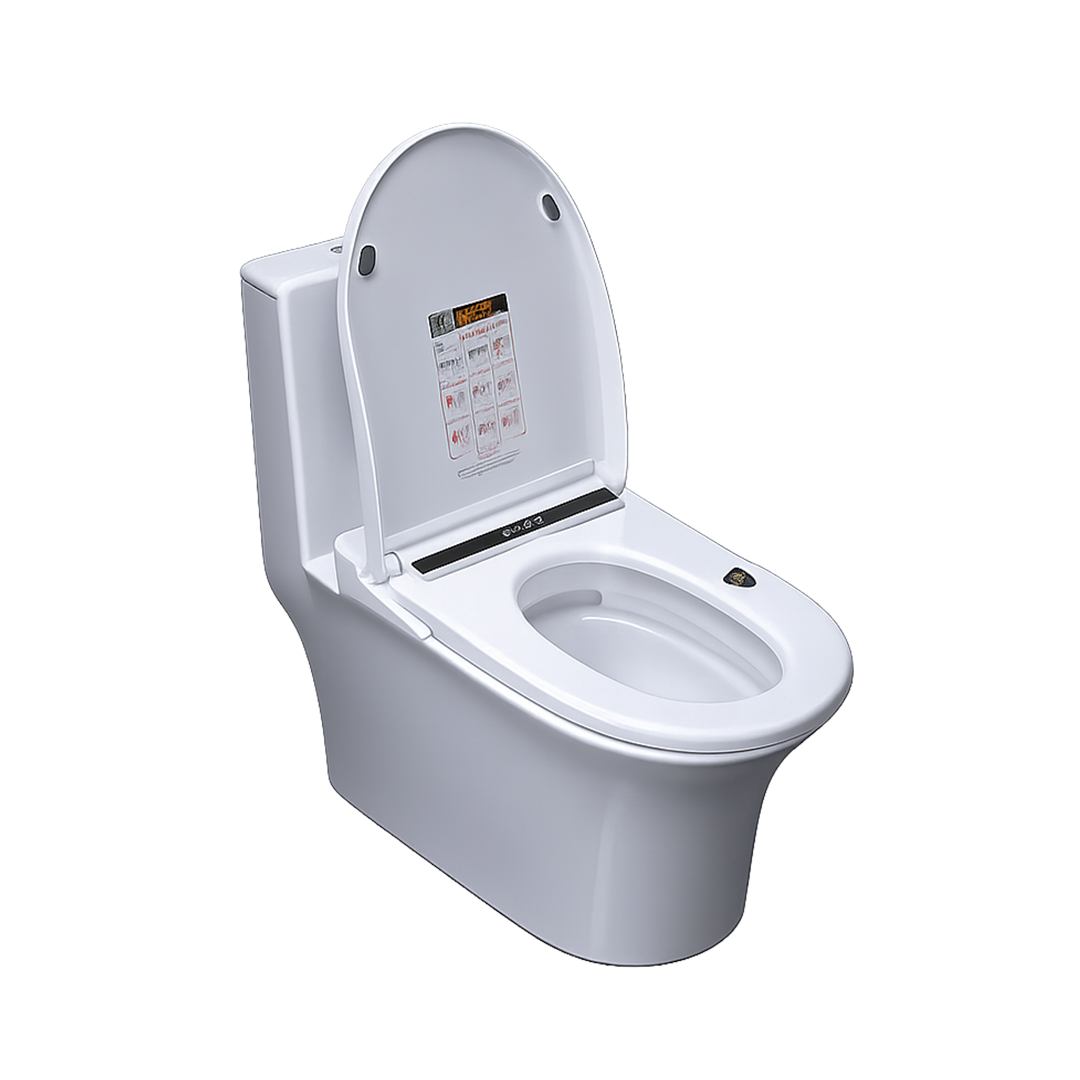

Choosing the right commode is an important part of designing a comfortable, functional and stylish bathroom. From space-saving wall-hung designs to modern one-piece toilets, the market offers several options to suit different bathroom layouts, preferences and budgets. But how do you decide which one is right for your home?
The best commode depends on factors such as bathroom size, installation type, flushing mechanism, material, water efficiency and ease of maintenance. Understanding these features before purchasing a commode can help you make a practical long-term investment.
In this guide, we will explore different types of commodes, important buying considerations and tips to help you select the perfect western toilet for your bathroom.
1. Understand the Different Types of Commode
Before buying a toilet seat or a complete toilet unit, it is important to understand the different designs available. Each type offers unique benefits depending on your bathroom space and installation requirements.
One-Piece Toilet
A one piece toilet combines the tank and bowl into a single integrated unit. Its seamless construction creates a clean, contemporary appearance and reduces hard-to-reach areas where dirt can accumulate.
It is a suitable option for homeowners looking for a modern western toilet that is relatively easy to clean and maintain.
Wall-Hung Commode
A wall hanging commode is mounted on the bathroom wall, with its cistern concealed inside the wall or an installation frame. Since the floor beneath remains clear, it creates an open and spacious appearance.
Benefits include:
-
Space-saving appearance.
-
Easier floor cleaning.
-
Concealed cistern for a minimal look.
-
Adjustable installation height, subject to plumbing and structural requirements.
A wall-hung design works particularly well in contemporary and compact bathrooms.
Floor-Mounted Commode
A floor-mounted toilet commode is installed directly on the bathroom floor. It is a popular choice because of its familiar installation style and compatibility with various bathroom layouts.
It is available in different designs, including one-piece and two-piece models, making it suitable for a wide range of interiors.
2. Choose the Right Commode Based on Bathroom Size
Bathroom dimensions play an important role in selecting the right commode seat and toilet design.
For small bathrooms, consider compact one-piece toilets or wall-hung models. These designs can help create a less crowded appearance while maintaining functionality.
For larger bathrooms, you can explore different shapes, sizes and premium designs that complement the overall interior.
Before purchasing, check:
-
Available floor space.
-
Distance from the side walls.
-
Door clearance.
-
Space required for comfortable seating.
-
Plumbing and drainage positions.
Taking accurate measurements before buying helps avoid installation complications.
3. Check the Toilet Trap Type: P-Trap or S-Trap
One of the most important technical considerations when purchasing a western toilet commode is the trap type.
The trap determines how wastewater connects to the drainage system.
P-Trap Commode: A P-trap toilet has a horizontal waste outlet that connects to a wall drainage pipe.
S-Trap Commode: An S-trap toilet has a downward waste outlet that connects to a floor drainage pipe.
Before choosing a western toilet commode, check your existing plumbing configuration. Selecting the correct trap type helps ensure compatibility and smoother installation.
4. Pay Attention to the Flushing Mechanism
A good flushing system helps maintain toilet hygiene and supports efficient water usage.
Here are some common features to consider:
-
Washdown Flushing: Uses water to push waste through the trapway.
-
Rimless Design: Features a rimless bowl structure that makes cleaning more accessible.
-
Dual-Flush System: Offers separate flushing options for liquid and solid waste, helping manage water consumption.
When comparing different commode designs, consider flushing performance, water consumption and maintenance requirements rather than focusing only on appearance.
5. Select a Durable and Easy-to-Maintain Material
The material of a toilet commode directly influences its appearance, durability and cleaning requirements.
Ceramic is one of the most widely used materials for modern toilets because of its smooth, non-porous glazed surface.
When selecting a ceramic western commode, look for:
-
A smooth glazed finish.
-
A well-finished surface.
-
Resistance to everyday staining.
-
Easy-to-clean construction.
-
Quality fittings and accessories.
A good-quality ceramic commode can offer a balance of aesthetics, functionality and everyday convenience.
6. Choose a Comfortable Toilet Seat
The western toilet seat is an important component of your overall bathroom experience.
While choosing a commode seat, consider its shape, material and closing mechanism.
Some important features include:
-
Soft-Close Seat: Prevents the lid from shutting abruptly.
-
UF Seat: Urea-formaldehyde seats are valued for their rigid feel and smooth finish.
-
PP Seat: Polypropylene seats are lightweight and commonly used in modern toilet designs.
-
Easy-Release Mechanism: Makes removing the seat easier for cleaning, where available.
Always check whether the seat is included with the commode or needs to be purchased separately.
7. Consider Design and Colour
Modern bathrooms are no longer limited to traditional white fixtures. Today, homeowners can explore different colours, finishes and shapes to create a distinctive interior.
Popular options include:
-
White for a timeless and versatile appearance.
-
Charcoal Black for a bold, contemporary look.
-
Cloud Grey for a subtle and sophisticated finish.
If you want your bathroom to have a coordinated appearance, consider matching your commode with your wash basin, faucets and other bathroom accessories.
8. Don't Ignore Installation and Maintenance
Even the best western commode needs proper installation to deliver reliable performance.
Before finalising your purchase, check the following:
-
Confirm the P-trap or S-trap requirement.
-
Measure the available installation space.
-
Check the water inlet and drainage positions.
-
Ensure the required fittings and accessories are included.
-
Follow the manufacturer's installation instructions.
For maintenance, clean the toilet regularly using suitable bathroom cleaning products. Avoid harsh chemicals or abrasive tools that may damage the finish.
Why Choose a Modern Commode from Lorazzo?
A modern bathroom deserves fixtures that combine design, comfort and everyday functionality. Lorazzo offers thoughtfully designed bathroom solutions for homeowners looking to upgrade their spaces.
From contemporary one-piece toilets to stylish wall-hung designs, choosing the right commode can help create a bathroom that looks good and works well.
Explore Lorazzo's range of bathroom products to find a design that complements your space and requirements.
Frequently Asked Questions (FAQs)
1. Which type of commode is best for a bathroom?
The best commode depends on your bathroom layout and requirements. One-piece toilets are suitable for a seamless, modern appearance, while wall-hung commodes are ideal for creating a spacious look. Floor-mounted models are another practical option.
2. What is the difference between a one-piece and two-piece toilet?
A one-piece toilet has an integrated tank and bowl, whereas a two-piece toilet has a separate tank and bowl connected during installation. One-piece models generally offer a more seamless appearance.
3. Which is better: a wall-hung or floor-mounted commode?
Wall-hung commodes offer a floating appearance and make floor cleaning easier. Floor-mounted commodes are installed directly on the floor and suit many conventional bathroom layouts. The right choice depends on your space, plumbing and installation requirements.
4. What is the difference between a P-trap and an S-trap commode?
A P-trap commode has a horizontal outlet that connects to wall drainage, while an S-trap commode has a downward outlet that connects to floor drainage.
5. Which material is best for a western toilet?
Vitreous china ceramic is a popular choice for western toilets because it has a smooth glazed surface, is easy to clean and is suitable for everyday bathroom use.
6. How do I choose the right commode for a small bathroom?
For a small bathroom, consider a compact one-piece or wall-hung commode. Measure the available space, check door clearance and confirm plumbing compatibility before purchasing.
7. What should I check before buying a western toilet seat?
Check the seat material, shape, dimensions, closing mechanism and compatibility with the commode. Also confirm whether the seat is included in the product package.
Conclusion
Choosing the right commode involves more than selecting an attractive design. Bathroom dimensions, installation type, trap configuration, flushing technology, material and seat comfort all contribute to the overall experience.
Whether you prefer a sleek one piece toilet, a space-saving wall hanging commode or a classic floor-mounted design, focus on quality, functionality and compatibility with your bathroom.
Make an informed choice and transform your bathroom into a space that combines everyday comfort with modern design.


