
EPOS System for Restaurant: A Complete Guide to Smarter Restaurant Management

An EPOS system for restaurant businesses is an essential tool for managing orders, payments, sales, and daily operations in a more organised way. EPOS stands for Electronic Point of Sale, a technology that helps restaurant owners and staff handle transactions efficiently while keeping important business information in one place. Whether a restaurant serves quick meals, offers fine dining, operates a takeaway service, or manages multiple branches, an effective EPOS solution can make everyday tasks easier.
Modern restaurants need reliable systems to manage busy service periods, communicate orders between the front counter and kitchen, track popular menu items, and provide convenient payment options. Traditional methods may work for smaller operations, but they can become difficult to manage as customer numbers increase. An EPOS system provides a central platform that connects several restaurant activities, helping businesses maintain consistency and improve the customer experience.
What Is an EPOS System for Restaurant Businesses?
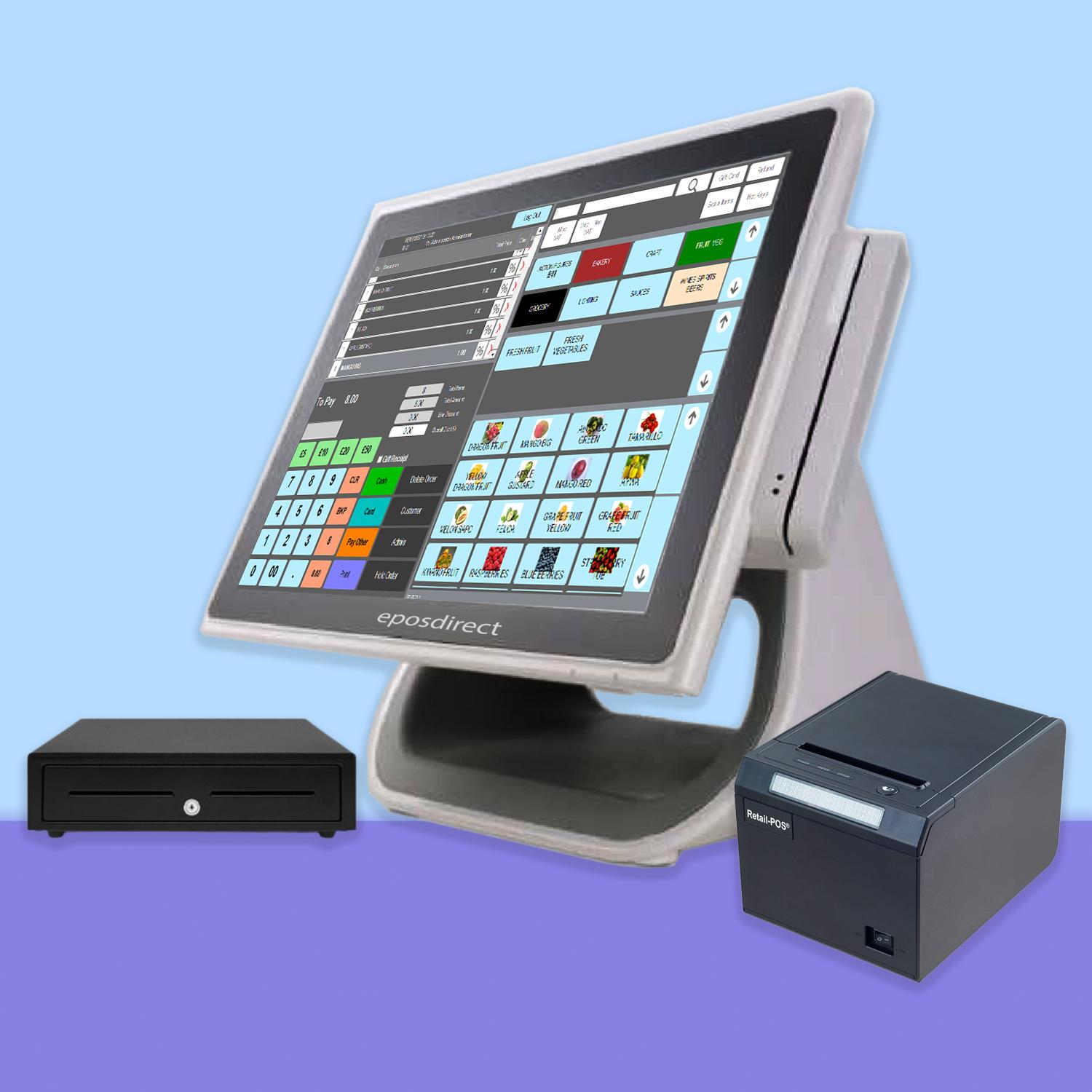
An EPOS system combines specialised software and equipment to process sales and organise restaurant operations. Depending on the solution, the equipment may include a touchscreen terminal, receipt printer, cash drawer, card payment device, kitchen display screen, and handheld ordering device. The software manages transactions, menu information, staff access, and sales reports.
When a customer places an order, staff can enter the details directly into the system. The order can then be sent to the appropriate kitchen station or preparation area. Once the customer is ready to pay, the system records the transaction and updates the relevant sales information.
Many modern solutions also provide cloud-based access, allowing authorised restaurant managers to review business performance remotely. This feature is particularly useful for owners who need to monitor operations without being physically present at the restaurant throughout the day.
Simplifying Restaurant Order Management
Accurate order management is one of the main advantages of using an EPOS system for restaurant operations. During busy periods, staff may need to manage several tables, takeaway orders, delivery requests, and customer enquiries simultaneously. A digital ordering process helps keep these activities organised.
Employees can select menu items, specify quantities, add special instructions, and record customer preferences directly within the system. For example, a customer may request a particular side dish or ask for an ingredient to be excluded. Recording such instructions clearly helps the kitchen team understand the order before preparation begins.
An EPOS system can also support different ordering methods, including counter service, table service, takeaway, and online orders. Bringing these activities together reduces confusion and makes it easier for employees to follow the progress of each transaction.
Improving Communication Between Front-of-House and Kitchen Teams
Good communication between restaurant staff and kitchen employees is essential for providing dependable service. When orders are written manually or communicated verbally, details can sometimes be missed, particularly during peak hours.
An EPOS system can send orders directly to a kitchen printer or digital kitchen display. Staff can view the items requested, preparation instructions, and relevant order details without relying entirely on handwritten notes.
Some systems allow orders to be organised by preparation station. Drinks can be directed to the bar, while main courses and desserts can be sent to their respective kitchen areas. This arrangement helps teams coordinate their responsibilities and manage the sequence of preparation.
Digital order tracking can also help managers identify delays and understand where improvements may be needed. By making order information easier to access, restaurants can create a more coordinated working environment.
Managing Restaurant Menus with Greater Flexibility
Restaurant menus frequently change because of seasonal ingredients, customer preferences, special offers, and business requirements. Updating printed menus or manually communicating every change can take time.
An EPOS system allows authorised users to update menu items, prices, descriptions, and availability through its management interface. If a particular dish becomes unavailable, staff may be able to mark it as unavailable so that it is not accidentally included in new orders.
Restaurants can also organise their menus into categories such as starters, main courses, desserts, hot drinks, cold drinks, and special offers. Clear categories help employees locate products quickly and reduce the time required to enter an order.
Some systems support different menus for lunch, dinner, takeaway, and special events. These features allow restaurant owners to adjust their offerings to suit different service periods and customer requirements.
Supporting Faster and More Convenient Payments
A smooth payment process contributes to a positive restaurant experience. Customers may prefer contactless cards, chip-and-PIN transactions, mobile wallets, or cash, depending on the available payment methods.
An EPOS system can work with compatible payment terminals to help staff complete transactions efficiently. The exact payment options depend on the provider, equipment, and payment processor selected by the restaurant.
For table-service businesses, integrated payments can make it easier to calculate bills, divide payments between customers, and record completed transactions. Some solutions also support tips, service charges, refunds, and digital receipts.
By bringing order totals and payment records together, the system can help reduce manual calculations and provide a clearer record of completed sales. Restaurant owners should check transaction fees, settlement times, and supported payment methods before choosing a provider.
Monitoring Sales and Business Performance
Understanding sales performance is important for making informed restaurant decisions. An EPOS system records transaction information and can turn it into reports that help managers evaluate daily activity.
Reports may show total sales, transaction numbers, popular menu items, average order values, and performance across different time periods. Some solutions also allow comparisons between weekdays, weekends, lunch services, and evening operations.
For example, a restaurant owner may discover that certain dishes sell particularly well during the evening but receive fewer orders at lunchtime. This information can support menu planning, promotional decisions, and staff scheduling.
Sales reporting can also help identify changes in customer demand. Rather than relying entirely on memory or rough estimates, managers can review recorded information and make decisions based on actual business activity.
Keeping Track of Stock and Inventory
Inventory management affects purchasing decisions, menu availability, and overall restaurant costs. Without organised records, businesses may purchase more supplies than necessary or discover that important ingredients are unavailable during service.
Depending on its features, an EPOS system can help track stock levels and connect sales with inventory records. Some advanced systems support ingredient-level tracking, allowing the restaurant to estimate how much stock should remain after specific dishes are sold.
For example, if a menu item uses several recorded ingredients, the system may reduce the corresponding stock quantities when an order is completed. Managers can review low-stock notifications and plan purchases more effectively.
However, inventory accuracy depends on correct setup, regular stock checks, and reliable supplier information. Restaurants should choose a solution that matches the complexity of their menu and purchasing process.
Enhancing Customer Service and Satisfaction
Customer satisfaction depends on several factors, including friendly staff, accurate orders, convenient payments, and reasonable waiting times. An EPOS system can support these areas by giving employees better access to order information and reducing unnecessary administrative work.
When staff can enter orders quickly and retrieve bills accurately, they have more opportunities to focus on customers. Clear digital records also make it easier to review an order if a customer raises a question about an item or payment.
Some systems include customer relationship management features, loyalty programmes, discount tools, and digital ordering options. These features can help restaurants recognise returning customers and provide relevant promotions when appropriate.
For takeaway businesses, compatible online ordering integrations may allow customers to browse menus and submit orders through digital channels. A connected process can help staff manage incoming orders alongside walk-in customers.
Managing Employees and Restaurant Operations
Staff coordination is another important consideration for restaurant owners. Employees may work different shifts, perform different duties, and require different levels of access to business information.
An EPOS system can provide individual staff accounts and permissions. Depending on the software, managers may be able to review sales activity, assign user roles, record working hours, and examine selected performance reports.
Permission settings can help restrict sensitive functions, such as refunds, discounts, and changes to menu prices, to authorised employees. This creates a more structured process for handling important transactions.
Some systems include staff scheduling or time-tracking features, while others connect with separate workforce management software. Restaurant owners should identify which functions are included in the standard package and which require additional subscriptions.
Choosing the Right EPOS System for Restaurant Needs
Selecting the right EPOS system requires an understanding of the restaurant's size, service style, budget, and operational requirements. A small café may need a straightforward till and card payment solution, while a busy restaurant may require table management, kitchen displays, stock control, and delivery integrations.
Ease of use should be a major consideration. Staff should be able to learn the main functions without lengthy training, especially when the restaurant experiences frequent staff changes or operates during busy periods.
Hardware compatibility is equally important. Before purchasing equipment, confirm that the software supports the required terminals, printers, payment devices, and kitchen displays.
Restaurant owners should also review pricing carefully. Costs may include an initial setup fee, hardware purchases, monthly software charges, payment processing fees, technical support, and optional integrations. Understanding the full cost helps prevent unexpected expenses.
Finally, consider customer support, system reliability, backup arrangements, data security, and the provider's process for software updates. A demonstration or trial can help determine whether the system suits the restaurant's daily workflow.
The Importance of Data Security and Reliable Technology
Restaurant EPOS systems may process sensitive business information and connect with payment services. Protecting this information is therefore an important part of choosing and maintaining the technology.
Restaurant owners should select providers that explain their security practices, access controls, software updates, and payment security arrangements. Strong account passwords, appropriate staff permissions, and regular reviews of user access can further support responsible system management.
Businesses should also ask how transactions and operational records are protected if the internet connection fails. Some systems offer offline transaction capabilities, while others depend on a stable connection for particular functions. Offline payment support may have limitations, so the details should be confirmed with the provider.
Reliable technical support and clear recovery procedures can help restaurants prepare for unexpected interruptions. Staff should know how to respond if a terminal, printer, or network connection becomes unavailable.
Benefits of a Cloud-Based Restaurant EPOS System
Cloud-based EPOS solutions allow authorised users to access selected business information through an internet-connected device. For restaurant owners managing more than one location, this can provide a convenient way to review sales and compare operational performance.
Centralised management may allow menus, prices, and selected settings to be maintained across multiple branches. The available controls depend on the provider and the restaurant's subscription.
Cloud reporting can also help managers review performance outside normal service hours. However, businesses should examine internet requirements, data export options, access permissions, and the provider's backup arrangements before committing to a cloud-based platform.
The Future of Restaurant Management with EPOS Technology
Restaurant technology continues to develop as businesses explore digital ordering, integrated delivery services, customer loyalty tools, and more detailed reporting. EPOS systems are increasingly used as a central point for connecting these activities.
Some platforms offer automated reporting, demand forecasting, advanced inventory tools, and integrations with accounting software. These functions can help managers spend less time organising records and more time improving service and business performance.
Nevertheless, technology works best when it supports a well-planned operating process. Restaurants still need trained employees, accurate menu information, dependable suppliers, and attentive customer service. The most useful EPOS solution is one that fits the business rather than adding unnecessary complexity.
Conclusion
An EPOS system for restaurant businesses can simplify order management, support faster payments, improve communication between staff, and provide valuable sales information. Depending on the selected features, it can also assist with stock control, employee management, customer loyalty, and multi-branch operations.
Choosing the right system involves comparing functionality, usability, equipment compatibility, ongoing costs, security, and customer support. Restaurant owners should assess their current challenges and select a solution that can grow alongside their business.
With appropriate planning and staff training, an EPOS system can become an important part of daily restaurant management, helping teams work more efficiently and deliver a consistent experience to their customers.


