
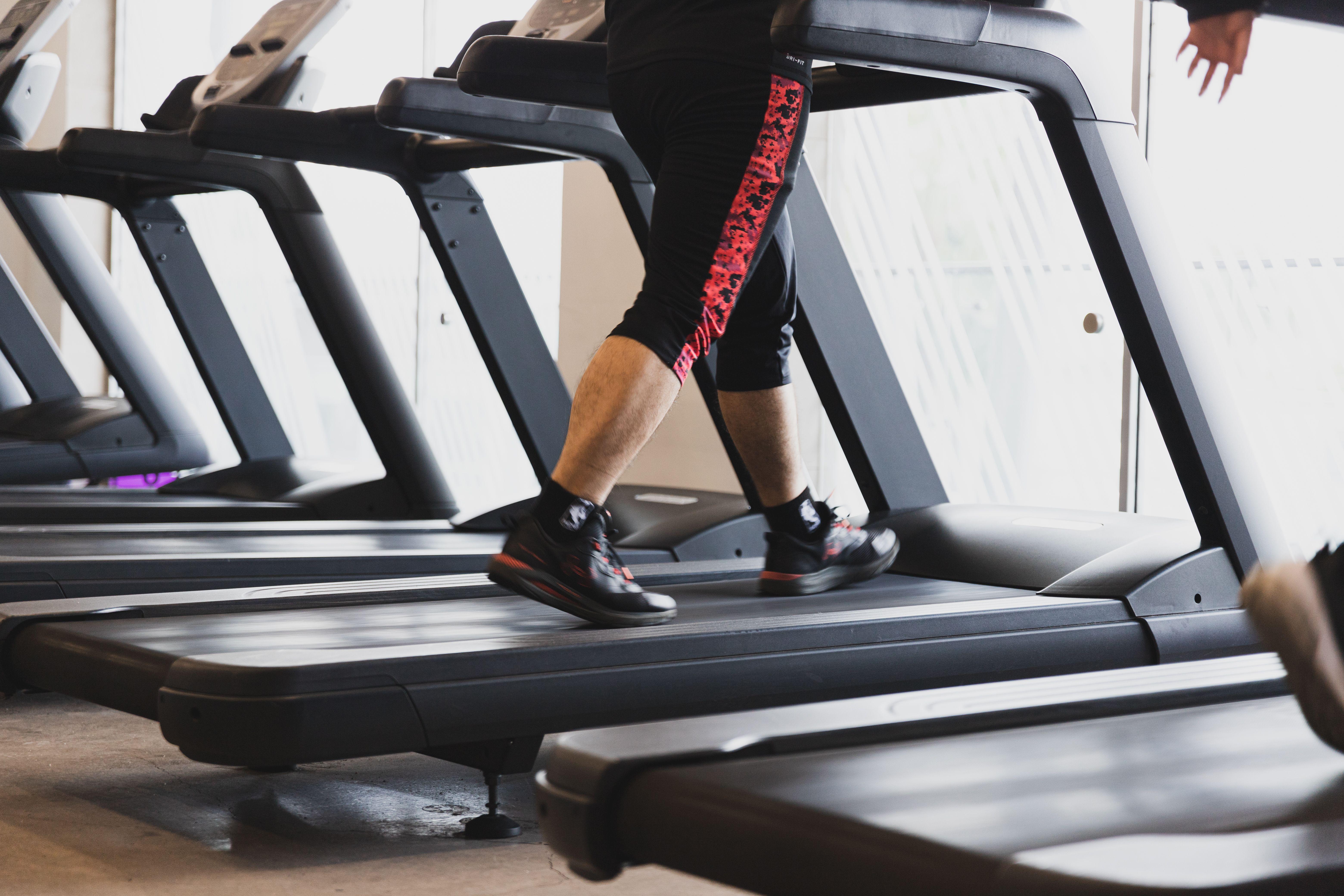
Treadmills in the UAE: 9 Things to Check Before Bringing Your Runs Indoors

Outdoor running can be enjoyable, but maintaining a consistent routine is not always convenient. Work schedules, summer temperatures, limited daylight, and the time needed to travel to a suitable running route can all affect how often you exercise.
A treadmill gives you another option: run, jog, or walk at home on a schedule that suits you.
For people building home gyms in Dubai, Abu Dhabi, Sharjah, Ajman, Ras Al Khaimah, Fujairah, and across the UAE, however, choosing a treadmill involves more than comparing motor power or maximum speed. The machine needs to suit your running style, available space, comfort preferences, and plans for long-term use.
Before purchasing, here are nine practical considerations that can help you choose a treadmill you will be comfortable using regularly.
1. Decide Whether You Will Walk, Jog, or Run
Start with the activity you expect to do most often.
A treadmill used mainly for walking has different requirements from one used for regular running sessions. If several people will share the machine, consider the needs of the person who will use it most intensively.
Think about your likely routine:
-
Walking: Everyday movement, warm-ups, or moderate-paced sessions.
-
Jogging: Steady cardio at a comfortable running pace.
-
Running: Regular sessions that place greater demands on the motor, belt, frame, and cushioning.
-
Interval training: Alternating faster and slower periods during structured workouts.
Your intended use should guide the specifications you compare.
A treadmill designed primarily for walking may be unsuitable for frequent high-speed running, even if its advertised maximum speed initially looks sufficient.
2. Look Beyond the Advertised Motor Power
Motor specifications are important, but they should not be the only factor in your decision.
A treadmill's performance depends on its overall design, including the drive system, belt, frame, cooling, and the way the manufacturer rates the motor.
When comparing models, check whether the specifications distinguish between continuous and peak motor power. These figures are not interchangeable.
Also consider how the machine will be used. A person walking for short periods has different requirements from someone running for longer sessions several times a week.
Read the manufacturer's intended-use guidance and compare the complete treadmill rather than selecting one based on a single number.
3. Check the Running Surface
The belt dimensions affect how comfortable the treadmill feels during exercise.
A shorter or narrower surface may be adequate for some walking routines, but regular runners often benefit from more room to move naturally.
Consider:
-
Belt length
-
Belt width
-
Your height
-
Your stride length
-
Typical running speed
-
Whether the treadmill will be shared
The right dimensions can help you feel less restricted during a session.
If you are tall or take longer strides, pay particular attention to belt length. If you plan to run at higher speeds, ensure the available width gives you sufficient room to stay comfortably centred.
Do not judge the running area from product photographs alone. Check the listed belt dimensions.
4. Understand Cushioning and Running Comfort
Running creates repeated impact, and treadmill decks can feel different from one model to another.
Some treadmills incorporate cushioning systems intended to change how the deck responds underfoot. However, no single cushioning design is ideal for everyone.
If possible, try the treadmill before buying. Pay attention to how it feels during both walking and running, rather than judging it after only a few steps.
Also consider your footwear and training habits. A comfortable treadmill does not remove the importance of suitable shoes, gradual training progression, and recovery.
If you are returning to exercise after a long break, begin with manageable sessions and increase duration or intensity gradually.
5. Decide Whether You Need Incline
Incline allows you to change the gradient of your workout.
Depending on the treadmill, incline may be adjusted manually or electronically. Some models also offer decline, but this feature is not universal.
An incline can provide another way to vary your sessions without necessarily increasing speed.
For example, you might use:
-
Flat walking for an easy session
-
A moderate incline for a more challenging walk
-
Alternating gradients during a structured workout
-
Flat running for a familiar pace
Think about whether you will actually use this feature. If your main goal is basic walking, a more elaborate incline system may not be essential.
If incline training is part of your routine, check the adjustment range and how easily you can change it.
6. Measure Your Room Before Choosing a Model
A treadmill needs enough space for the machine itself and for safe use.
Measure the intended installation area before placing an order.
Check:
-
Overall length
-
Overall width
-
Height
-
Ceiling clearance
-
Space behind the treadmill
-
Access to power
-
Room to get on and off safely
Remember that a folding treadmill still requires space when it is in use.
For running, avoid positioning the machine where a nearby wall, door, furniture, or other equipment creates an obstruction. Follow the manufacturer's clearance recommendations.
In UAE apartments, the delivery route is also worth checking. Measure doorways, corridors, lifts, and staircases where relevant.
A treadmill that fits the workout room may still be difficult to move into it.
7. Consider Folding and Storage
Folding treadmills can be useful when the workout area needs to serve more than one purpose.
However, the word folding can describe different designs.
Some models lift the running deck into an upright position. Others use a different folding arrangement, and some compact walking treadmills are designed to slide under suitable furniture when stored.
Before choosing one, ask:
-
How much room does it occupy when folded?
-
Can one person fold it safely?
-
Does it have transport wheels?
-
Is there enough room to move it?
-
Will it fit through the intended storage area?
-
Can it be unfolded without obstructing a walkway?
Check the manufacturer's instructions for folding and moving the machine. Treadmills can be heavy, and moving parts may require care.
If you plan to store the treadmill after each workout, make sure the process is realistic for your daily routine.
8. Think About Noise and Your Living Environment
Treadmill noise comes from more than the motor.
Footfalls, belt movement, the frame, and contact with the floor can all contribute to the sound you hear during exercise.
This matters if you live in an apartment, share your home with others, or prefer to work out early in the morning or late in the evening.
Before buying, consider:
-
Motor and belt design
-
Frame stability
-
Floor surface
-
Running intensity
-
Manufacturer maintenance guidance
-
Placement in relation to neighbouring rooms
A suitable treadmill mat may help protect the floor and reduce some vibration, but it cannot guarantee soundproofing.
Avoid assuming that a treadmill advertised as quiet will be completely silent under every condition.
9. Check the Console and Training Features
Modern treadmills can include anything from a basic display to a large interactive console.
Common features include:
-
Speed controls
-
Incline controls
-
Time and distance
-
Pace information
-
Estimated calorie expenditure
-
Heart-rate compatibility
-
Preset workout programmes
-
Bluetooth or app connectivity
-
Workout screens
The right feature set depends on how you exercise.
If you simply want to walk regularly, straightforward controls and a readable display may be enough. If you follow structured training, speed adjustments and workout programmes may be more useful.
Treat calorie readings as estimates rather than exact measurements.
Also check whether connected features require a subscription, compatible device, or internet connection before paying extra for them.
Treadmills for UAE Homes: Indoor Comfort Matters
One reason people consider a home treadmill in the UAE is the flexibility to exercise indoors when outdoor conditions are uncomfortable.
A dedicated indoor setup can make it easier to walk or run at a convenient time without relying on a particular route or weather window.
Still, the room itself matters.
Choose a location with suitable ventilation and enough space around the machine. Avoid exposing the treadmill to unnecessary dust, moisture, or direct sunlight.
If you are considering a garage installation, check the manufacturer's permitted operating and storage temperatures. A garage can become much hotter than an indoor living space, so do not assume every treadmill is suitable for that environment.
Regular cleaning and maintenance can also help keep the belt and other components in good condition.
Build a Routine You Can Maintain
The best treadmill is not necessarily the one with the highest maximum speed or the largest screen.
It is the one that suits your intended use and makes it practical to exercise consistently.
For example, a simple weekly routine might combine comfortable walking sessions with a few longer or more challenging workouts, depending on your fitness level.
If you are new to exercise, start at a manageable pace and increase your workload gradually. Experienced runners can compare speed range, belt dimensions, incline, and intended-use specifications more closely.
Always use the safety key where provided, attach it according to the instructions, and familiarise yourself with the emergency-stop procedure before exercising.
Common Treadmill Buying Mistakes
Choosing by Motor Power Alone
The motor matters, but belt dimensions, frame construction, intended use, and overall design also affect performance.
Ignoring Belt Size
A running surface that feels cramped can make workouts less comfortable.
Buying Features You Will Not Use
Advanced screens and connected programmes are only useful if they fit your routine.
Forgetting Delivery Access
Large treadmills may be difficult to bring through narrow entrances or lifts.
Assuming Every Folding Model Is Compact
Check both the operating and stored dimensions.
Overlooking Maintenance
Belts, decks, and other components need care according to the manufacturer's instructions.
What to Check Before Buying Online in the UAE
When comparing treadmills, review the full specifications.
Pay attention to:
-
Intended use
-
Motor rating
-
Maximum speed
-
Running belt dimensions
-
Incline range
-
Cushioning design
-
Maximum user weight
-
Folding mechanism
-
Stored dimensions
-
Console and connectivity
-
Safety features
-
Operating requirements
-
Warranty
-
Delivery and assembly
If possible, compare the manufacturer's documentation with the retailer's listing. This can help clarify details that may be missing from a product photograph or short description.
Frequently Asked Questions
Is a treadmill suitable for a small apartment?
It can be, provided the machine fits the available space and has sufficient clearance for safe use. Compact or folding designs may help, but measure the operating dimensions before buying.
Is a walking treadmill suitable for running?
Not necessarily. Check the machine's intended use, maximum speed, running surface, and other specifications before using it for running.
Do I need an incline feature?
Not everyone does. Incline can add variety to walking and running, but a simpler treadmill may be sufficient if you do not expect to use it.
Can I keep a treadmill in a garage in the UAE?
Only if the environment falls within the manufacturer's permitted operating and storage conditions. Heat, dust, and moisture may affect the equipment.
How often should a treadmill be maintained?
Follow the manufacturer's maintenance schedule. Requirements vary by model and may include cleaning, belt inspection, lubrication where applicable, and checking the surrounding area.
Final Thoughts
Choosing a treadmill starts with understanding how you want to use it.
Walking, jogging, running, and interval training place different demands on the equipment, so compare the running surface, motor specifications, incline, cushioning, storage arrangement, and safety features before deciding.
For UAE homes, also consider room dimensions, delivery access, noise, ventilation, and the environment where the treadmill will operate.
A well-matched treadmill can make indoor exercise more convenient throughout the year. Focus on the specifications that support your routine, and choose a machine you can use comfortably and maintain over time.
For more home cardio and strength-training equipment, explore Athletix.


