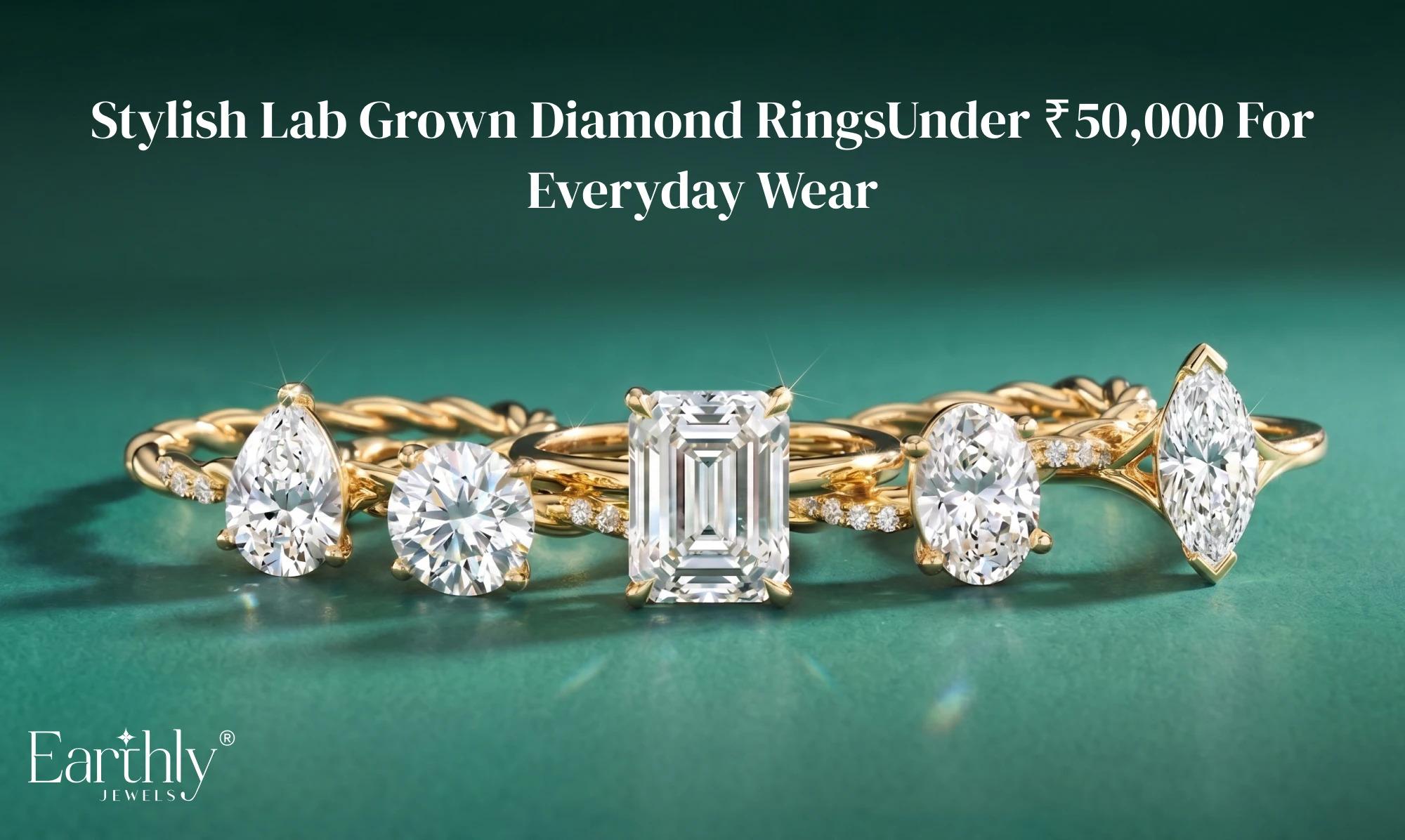
Lab Grown Diamonds vs Natural Diamonds: The Ultimate Comparison Guide
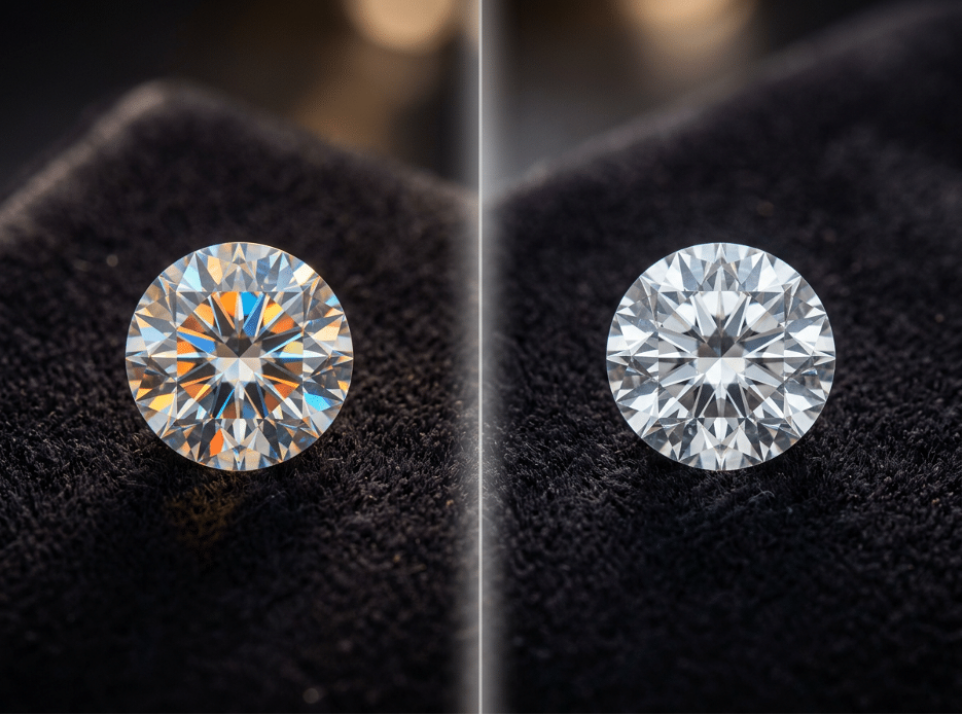
Your complete guide to understanding lab grown diamonds and natural diamonds before you spend a single rupee. Diamonds have always been a symbol of love, luxury, and lasting commitment. Today, buyers have a powerful new choice alongside traditional stones. Lab grown diamonds are reshaping the entire jewellery industry in exciting ways. Understanding the difference between lab created diamonds and natural diamonds helps you make a smarter purchase. Both options are real, beautiful, and durable. But they differ in origin, pricing, and ethical impact. This guide by Earthly Jewels breaks everything down clearly and honestly. Whether you are shopping for an engagement ring or a timeless gift, this comparison will help. Read on to find the perfect diamond for your needs. What Are Lab Grown Diamonds Lab grown diamonds are real diamonds created inside a controlled laboratory environment. Technicians use advanced technology to recreate the same volcanic-level heat and pressure that produces diamonds in nature. The result is a chemically identical stone with the same physical properties as a mined diamond. Lab created diamonds are produced using two primary methods. The first is High Pressure High Temperature (HPHT), which mimics natural underground conditions. The second is Chemical Vapor Deposition (CVD), where carbon layers build a diamond atom by atom. Man made diamonds are not simulants or fakes. They are not cubic zirconia or moissanite. They are genuine diamonds in every scientific sense of the word. HPHT Method: Replicates underground heat and pressure to crystallise carbon into diamonds CVD Method: Builds diamonds layer by layer using carbon gas in a controlled chamber Same structure: Both methods produce stones with identical physical and optical properties to mined diamonds Production time: Lab grown diamonds are ready in weeks, not billions of years What Are Natural Diamonds Natural diamonds form deep within the Earth over millions of years. Extreme heat and pressure turn carbon into a very hard material. Volcanic activity then brings them closer to the surface, where they are mined using manual or mechanical methods. Each natural diamond forms over time, giving every stone its own unique character. This individuality gives it a meaningful and romantic appeal. Many buyers appreciate the idea of owning something shaped by nature over millions of years. Natural diamonds come with a long chain of processes before reaching a jewellery store. Mining, cutting, polishing, and trading all add to their final cost. These stages also raise environmental and ethical concerns for many modern consumers. Geological age: Most natural diamonds are between one and three billion years old Unique characteristics: Every mined stone features internal markings that serve as a one-of-a-kind fingerprint. Supply chain: Multiple intermediaries between mine and market add significantly to cost Rarity factor: Finite global supply contributes to their premium pricing and perceived exclusivity Lab Grown Diamonds vs Natural Diamonds: Key Differences While both stone types use the same 4Cs-cut, color, clarity, and carat-their market costs are driven by different factors. Lab grown diamonds are typically 50 to 70 percent more affordable than natural diamonds of similar quality. This allows buyers to choose a larger or higher-grade stone within the same budget. Natural diamonds are priced higher due to their rarity and the complex journey from mining to market. In contrast, the lab-grown process is highly streamlined, which removes the extra expenses typical of traditional sourcing. Origin: One is grown in a lab, the other in the Earth's mantle Price: Lab created diamonds cost 50 to 70 percent less for the same quality Appearance: Visually and physically identical, even under a jeweller's loupe Sustainability: Lab grown options carry a significantly lower environmental footprint Lab Grown Diamonds vs Natural Diamonds Quick Comparison Table A clean at a glance overview of both diamond types. Feature Lab Grown Diamonds Natural Diamonds Origin Laboratory Earth's mantle Formation Time Weeks Billions of years Chemical Composition Identical to natural Carbon crystal Hardness (Mohs Scale) 10 10 Clarity Excellent Varies Price 50 to 70% lower Premium pricing Environmental Impact Lower Higher Rarity Reproducible Finite supply Resale Value Moderate Higher historically Certification IGI, GIA IGI, GIA, AGS Lab Grown Diamonds and Natural Diamonds Pricing Explained Why do diamonds cost so much, and how can you get the best value for your money? Diamond pricing is based on the 4Cs: cut, colour, clarity, and carat weight. Both lab diamonds and natural diamonds are graded using the same global standards. However, their pricing structure differs significantly due to how they are sourced and produced. Lab made diamonds are typically 50 to 70 percent more affordable than natural diamonds of similar quality. This allows buyers to choose a larger or higher grade stone within the same budget. For many modern buyers, this makes lab grown diamond jewellery a practical and value driven choice. Natural diamonds are priced higher due to their rarity and the complex journey from mining to market. Each stage in the supply chain adds to the final cost. In contrast, lab created diamonds are produced in controlled environments, reducing these additional expenses and making them more accessible. 4Cs matter equally: Cut, colour, clarity, and carat determine pricing for both types Lab grown advantage: Same grading system with a lower price per carat Better value: More size and quality within the same budget Natural pricing factor: Rarity and sourcing increase overall cos Price Comparison Table Jewellery Type Lab Grown Diamond Price Range Natural Diamond Price Range (Approx.) Diamond ring Lower price range Higher price range Eternity band More affordable Premium pricing Oval ring with side stones Budget friendly Expensive Toi et moi ring Accessible pricing High cost Solitaire necklace Moderate pricing Expensive Engagement ring Value focused Luxury pricing Three stone ring Affordable High investment Large carat ring Significantly lower Very expensive Natural diamond prices are indicative and may vary based on market demand, rarity, and quality factors. Lab Diamonds vs Natural Diamonds Quality Comparison: Are They Really the Same Does a lab created diamond sparkle as brilliantly as a mined one? Yes, lab diamonds and natural diamonds share the same physical, chemical, and optical properties. Both score a perfect 10 on the Mohs hardness scale. Both sparkle with the same brilliance and fire when expertly cut. Lab created diamonds can actually be produced with fewer inclusions than natural ones. This gives buyers access to higher clarity grades at a much lower cost. For those who prioritise visual perfection, lab grown stones can be superior in quality. Natural diamonds often have unique inclusions that act like fingerprints. Some collectors consider these natural characteristics to be part of the stone's charm. In terms of pure quality metrics, however, both types compete equally well. Hardness: Both types score a perfect 10 on the Mohs scale - the highest possible rating Brilliance: Refractive index is identical at 2.42, producing the same light performance Clarity access: Lab created diamonds more commonly achieve VS to IF clarity grades Cut quality: Both types can be cut to Excellent or Ideal grade for maximum fire and sparkle Lab Diamonds vs Natural Diamonds Quality Factors Table Quality Factor Lab Created Diamonds Natural Diamonds Hardness 10 (Mohs) 10 (Mohs) Refractive Index 2.42 2.42 Brilliance Identical Identical Clarity Availability VS to IF common SI to VS most common Colour Range D to Z D to Z Inclusions Fewer on average Natural inclusions Cut Quality Excellent to Ideal Excellent to Ideal Certification and Grading of Diamonds Why certification is the single most important document you need before buying any diamond. Certification is one of the most important aspects of buying any diamond. A certificate verifies the stone's quality and authenticity. It also protects you from overpaying for a lower grade stone. Both lab grown and natural diamonds can be certified by leading grading laboratories. The two most respected names in the industry. The International Gemological Institute (IGI) and the Gemological Institute of America (GIA). Both organizations evaluate stones using an identical set of strict quality standards. IGI has become the preferred certification body for lab created diamonds worldwide. They were among the first to develop specific grading standards for lab grown stones. IGI reports clearly state whether a diamond is lab grown or natural. GIA is widely regarded as the gold standard for natural diamond grading. They introduced the 4C system and are trusted globally by jewellers and buyers alike. GIA also grades lab grown diamonds, though IGI remains more commonly associated with them. Always ask for a certificate: Never buy a diamond without a valid IGI or GIA report IGI grading: Covers cut, colour, clarity, carat, and whether the stone is lab grown or natural GIA grading: The most globally recognised authority for natural diamond grading What a certificate tells you: Exact 4C grades, stone dimensions, fluorescence, and origin type Pros and Cons of Lab Grown Diamonds A balanced and honest look at the advantages and limitations of lab created stones. Lab made diamonds offer a compelling combination of quality, ethics, and affordability. They are the go to choice for modern, informed buyers who want maximum value. However, like all purchases, they come with considerations worth knowing. The biggest advantage is undeniable: you get a genuine, certified diamond at a fraction of the cost. Earthly Jewels makes this even more accessible with transparent factory direct pricing. The savings can be redirected toward a more intricate setting, a bigger stone, or another meaningful investment. On the flip side, lab created diamonds do not carry the geological mystique of a mined stone. Their resale value currently lags behind natural diamonds in secondary markets. For buyers who see diamonds as heirlooms or investments, this is worth considering. Pros: Affordable pricing: Lab made diamonds cost significantly less than mined stones of equal quality Eco friendly: They require far less land disruption and water usage compared to mining Ethically sourced: No concerns about conflict diamonds or unfair labour practices High quality: Fewer inclusions and consistent quality across productions Accessible luxury: More people can afford larger, more brilliant stones Certified and graded: Fully certified by IGI and GIA just like natural diamonds Cons: Lower resale value: Lab created diamonds do not hold their resale price as well as natural ones Less rarity: They can be reproduced, which reduces their sense of exclusivity Sentimental perception: Some buyers feel they lack the romantic history of a mined stone Market evolution: The long term value trend for lab grown stones is still developing Pros and Cons of Natural Diamonds What makes a mined diamond worth its premium, and where does it fall short? Natural diamonds have captivated humanity for centuries for good reason. Their rarity, geological story, and cultural significance are unmatched. However, the modern buyer must weigh these intangibles against some very real practical concerns. The higher cost of a mined diamond is the most obvious hurdle. For the same price, a lab grown stone can offer superior size or clarity. Environmental and ethical concerns are now central to purchase decisions. Responsible mining certifications have improved but do not eliminate all concerns. Many buyers prefer the guaranteed ethical sourcing that comes with lab created diamonds. Pros: Timeless rarity: Each stone is millions to billions of years old and truly one of a kind Strong resale history: Natural diamonds have historically retained value better over time Cultural significance: Deeply rooted in tradition, romance, and legacy Investment potential: Rare, high quality natural diamonds can appreciate in value Emotional appeal: Many buyers cherish the natural origin story behind the stone Cons: Higher cost: Natural diamonds carry a significant price premium over lab grown alternatives Environmental impact: Mining causes land disruption, water usage, and carbon emissions Ethical concerns: The risk of conflict diamonds still exists despite industry improvements Quality variation: Natural inclusions can affect clarity and light performance Supply chain complexity: Multiple middlemen add cost without adding value for the buyer Which Diamond Is Better for Engagement Rings Choosing the right diamond is an important decision for a special purchase. Both types of diamonds create beautiful engagement rings. The best option depends on your budget, values, and personal preference. Lab grown diamond jewellery is ideal for couples who want maximum value without compromising on beauty. You can choose a larger stone or a more intricate setting with the same budget. Natural diamonds appeal to those who value tradition and rarity in their engagement story. If the stone's geological age and natural origin hold deep meaning for you. A mined diamond may feel more significant. Both paths lead to a beautiful symbol of love and commitment. For budget focused buyers: Lab created diamond delivers far more stone per rupee For tradition driven buyers: Natural diamonds offer the deep cultural romance of rarity For eco conscious couples: Lab grown is the clear ethical and sustainable choice For size preferences: Lab grown stones let you go bigger without stretching the budget Buyer Type Comparison Table Buyer Priority Best Diamond Choice Recommendation Budget conscious Lab Grown Diamond Affordable options available Size preference Lab Grown Diamond Larger carat sizes within budget Environmental values Lab Grown Diamond Certified sustainable options Tradition and romance Natural Diamond Classic solitaire styles Investment potential Natural Diamond Higher resale perception Ethical sourcing Lab Grown Diamond Conflict free certified diamonds Unique natural story Natural Diamond Naturally formed rare stones Modern and stylish Lab Grown Diamond Trend driven contemporary designs Sustainability and Ethical Considerations How your diamond choice impacts people, communities, and the planet. The diamond industry has faced serious scrutiny over environmental damage and human rights concerns. Lab grown diamonds offer a cleaner and more transparent alternative. This makes them increasingly popular among socially conscious consumers. Mining natural diamonds requires moving enormous amounts of earth. It consumes significant water and energy and can displace local communities. The carbon footprint of mined diamonds is considerably higher than that of lab produced ones. Lab created diamonds use far fewer natural resources during production. Modern facilities are increasingly powered by renewable energy sources. This means the environmental impact continues to shrink with each passing year. Zero conflict risk: Lab made diamond carry no risk of being sourced from conflict zones Lower carbon output: Lab production emits significantly less carbon than open pit mining Water conservation: Lab facilities use a fraction of the water consumed in mining operations Community impact: No displacement of local communities or land degradation involved Impact Comparison Table Environmental Factor Lab created diamonds Natural Diamonds Land Disruption Minimal Very High Water Usage Low Very High Carbon Emissions Lower Higher Conflict Risk None Possible Labour Conditions Controlled Variable Energy Source Often Renewable Fossil Fuel Heavy Supply Chain Transparency High Complex Resale Value and Investment Perspective What happens to your diamond's value over time, and what should you realistically expect? Resale value is one area where natural diamonds have historically held the advantage. Rare natural stones, especially those above 2 carats in excellent grades, tend to retain value. Coloured natural diamonds can even appreciate significantly over time. Lab made diamonds currently experience a steeper depreciation in resale markets. This is largely because they can be produced on demand, reducing scarcity. However, for most buyers, a diamond is a personal purchase rather than a financial investment. The good news is that lab grown diamond jewellery lets you redirect savings into other investments or experiences. You enjoy the same sparkle and beauty at a fraction of the cost. The value you receive at purchase is immediate and tangible. Natural diamonds as assets: High quality mined stones, especially coloured ones, have proven investment track records Lab grown value at purchase: You gain significantly more stone and quality per rupee spent upfront Resale market reality: Neither type offers guaranteed returns; treat diamonds as jewellery first Smart strategy: Buy lab grown for everyday wear, consider natural for rare collector pieces Value Comparison Table Factor Lab Created Diamonds Natural Diamonds Purchase Value Excellent Lower per carat Long Term Resale Moderate decline Better historically Investment Grade Low to Moderate Moderate to High Liquidity Limited Better Price Trend Decreasing Stable to increasing Best For Personal enjoyment Long term holding Colour Diamonds: A Dazzling Category of Their Own Beyond white diamonds, a world of vibrant colour awaits the modern buyer. Colour diamonds are among the most sought after gemstones in the world. They display vivid natural hues ranging from yellow and pink to blue, green, and even red. Lab grown technology has made these stunning stones accessible. Their price point was once unimaginable for most buyers. Natural fancy colour diamonds are extraordinarily rare and carry record breaking price tags. A natural vivid yellow or pink diamond can cost several times more than an equivalent white stone. Lab grown colour diamonds offer the same visual drama at a fraction of the cost. A stunning range of yellow lab grown diamonds is available in exclusive collections. These stones are certified, brilliantly cut, and set in thoughtfully designed pieces. Whether you prefer a pear shape solitaire or a radiant toi et moi ring. These designs stand out with bold colour. They reflect confident and refined craftsmanship. What creates colour: Trace elements like nitrogen (yellow), boron (blue), or structural anomalies produce natural colour in diamonds Lab grown colour advantage: The same vivid hues are reproducible at 60 to 80 percent less cost than natural fancy colour diamonds Popular choices: Yellow diamonds are the most widely chosen colour, followed by pink and blue Oriole Collection: Features yellow lab made diamonds in rings, pendants, earrings, and toi et moi styles Certification still essential: All colour diamonds, lab grown or natural, should carry IGI or GIA reports confirming colour grade and origin Colour Diamond Comparison Table Factor Lab Grown Colour Diamonds Natural Fancy Colour Diamonds Availability Readily produced Extremely rare Price (per carat) Significantly lower Premium to ultra premium Colour Intensity Excellent, consistent Varies; vivid grades are rarest Certification IGI certified GIA or IGI certified Popular Colours Yellow, pink, blue Yellow, pink, blue, green, red Earthly Jewels Option Oriole Collection from ₹75,752 Custom order on request Best For Bold, affordable statement jewellery Rare collector pieces and investment How to Choose the Right Diamond for You A practical framework to help you make a confident and informed decision. Start by defining what matters most to you in this purchase. Is it the size of the stone, the ethical origin, the price, or the sentimental value? Your answer will naturally guide you toward the right type. If budget is a primary concern, lab created diamonds offer unmatched value. You can get a stunning one carat or larger stone without stretching your finances. Many couples are discovering that lab created diamonds allow them to invest in better settings and designs too. If heritage and rarity speak to your heart, a natural diamond may be worth the extra cost. Either way, shopping with a trusted and transparent brand like Earthly Jewels ensures quality and confidence. Take your time, compare options, and choose with both your head and heart. Step 1: Define your budget and decide how much size and quality matter to you Step 2: Clarify your values - sustainability, tradition, investment, or personal expression Step 3: Choose a shape, metal, and setting style that suits your personality Step 4: Always verify IGI or GIA certification before completing any purchase Step 5: Book a consultation to explore certified options in person or via a video call Key Takeaways Real Diamond Composition: Lab made diamonds are real diamonds. They share the same chemical composition, hardness, and optical properties as mined diamonds. Significant Cost Advantage: Lab created diamonds cost significantly less. Buyers save 50 to 70 percent compared to natural diamonds of equal quality and size. Certified Quality Standards: Both types are certified. IGI and GIA certify lab grown and natural diamonds using the same 4C grading standards. Eco Friendly Choice: Lab created diamonds are eco friendly. They require less land, water, and energy compared to traditional mining. Rarity and Legacy Value: Natural diamonds carry a rarity premium. Their limited supply adds emotional and historical value. Better Size Within Budget: Lab grown diamond jewellery allows you to choose a larger stone without exceeding your budget. Stronger Resale Perception: Natural diamonds tend to hold resale value better. Rare stones often have stronger long term demand. Importance of Certification: Certification is essential for both types. Always choose IGI or GIA certified diamonds for authenticity. Ethical and Conflict Free: Lab grown diamond is ethically produced. It eliminates concerns around conflict sourcing. Accessible Fancy Colours: Lab made diamonds make colour diamonds more affordable. You can explore vivid shades at lower prices. Choice Based on Preference: The right diamond depends on your priorities. Consider budget, sustainability, and emotional value before buying. Final Verdict: Lab Made Diamonds vs Natural Diamonds After comparing every angle, both lab grown and natural diamonds stand out as excellent choices. Neither is better than the other. The right option depends on your budget, values, and lifestyle. Lab created diamonds offer strong advantages in price, sustainability, and accessibility. They allow buyers to enjoy real diamond brilliance at a more affordable cost. Natural diamonds, on the other hand, are valued for their rarity, tradition, and long term resale perception. Both types share the same sparkle and durability, making them equally suitable for fine jewellery. The key is to make an informed decision based on what matters most to you. Choose lab grown diamonds if you want better value, ethical sourcing, and larger stones within budget. Choose natural diamonds if you prefer rarity and traditional significance. In the end, an informed choice ensures lasting satisfaction and confidence in your purchase. FAQs 1. Are lab grown diamonds real diamonds? Lab grown diamonds are real diamonds with the same properties as natural ones. They have identical chemical structure, hardness, and brilliance. Even experts cannot distinguish them without advanced equipment. 2. How much more affordable are lab grown diamonds compared to natural ones? Lab grown diamonds are typically 50 to 70 percent less expensive than natural diamonds of the same grade. This makes diamond jewellery more affordable while maintaining the same beauty and quality. 3. Do lab grown diamonds come with certification? Yes, trusted lab grown diamonds are certified by recognized authorities like IGI and GIA. These certificates confirm the diamond's cut, colour, clarity, and carat weight, just like certifications for natural stones. 4. Will a lab grown diamond lose its sparkle over time? No, lab grown diamonds retain their sparkle. Because they are chemically identical to natural diamonds, they maintain the same brilliance and durability throughout their lifetime. 5. Are lab grown diamonds ethical and conflict free? Yes, lab created diamonds are completely conflict free. They are produced in controlled environments. This removes the risk of funding conflicts or unethical mining practices. 6. Can you tell the difference between a lab grown and natural diamond by looking at it? No, you cannot. Lab grown and natural diamonds look identical to the naked eye and even under standard jeweller's loupe. Only specialised laboratory equipment can detect the difference. 7. Is lab grown diamond jewellery a good choice for engagement rings? Absolutely. Lab grown diamond jewellery is an excellent choice for engagement rings. You get the same beauty and durability at a lower price. This allows a larger or better quality stone.