

Lighting System Heliport: Complete Guide to Safe and Compliant Heliport Illumination
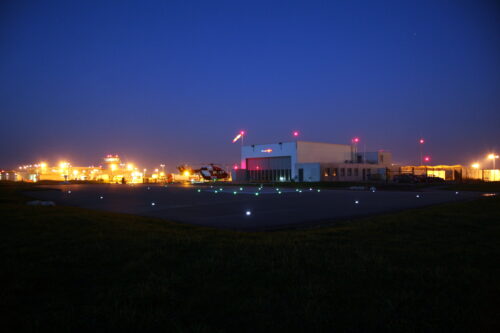
A lighting system heliport setup is a critical component of aviation infrastructure, ensuring safe helicopter takeoff, landing, and ground movement during night operations and low-visibility conditions. Whether installed on hospital rooftops, offshore oil platforms, commercial buildings, or private helipads, a properly designed heliport lighting system enhances pilot visibility and operational safety.
Modern heliport lighting solutions are engineered to comply with international aviation standards such as ICAO Annex 14 and FAA regulations. From perimeter lights to touchdown and lift-off area illumination, every component plays a vital role in safe helicopter operations.
Why a Lighting System for Heliport Is Essential
Enhancing Operational Safety
The primary function of a heliport lighting system is to provide clear visual guidance to pilots. Adequate illumination of landing zones reduces the risk of misalignment, hard landings, or operational delays caused by poor visibility.
Supporting Night and Emergency Operations
Hospitals and offshore facilities often require 24/7 helicopter access. A reliable lighting system heliport installation ensures that emergency medical evacuations and urgent crew transfers can take place safely at any time.
Ensuring Regulatory Compliance
International aviation authorities mandate specific lighting configurations for heliports. Installing ICAO-compliant heliport LED lighting systems helps operators meet safety regulations and maintain certification.
Improving Visibility in Adverse Weather
Rain, fog, dust, or snow can significantly reduce visibility. High-performance heliport lighting systems provide sufficient luminance to guide pilots during challenging conditions.
Main Components of a Lighting System Heliport Setup
A complete heliport lighting system includes several specialized fixtures designed to work together.
Perimeter Lighting
Heliport perimeter lights define the edges of the landing area. These lights create a clear visual boundary, helping pilots identify the helipad’s limits during approach and departure.
Touchdown and Lift-Off Area (TLOF) Lighting
TLOF lighting marks the designated landing and takeoff zone. This is one of the most important elements of a heliport lighting system, ensuring accurate positioning during landing.
Floodlighting
Heliport floodlights provide general surface illumination. Properly positioned floodlights prevent glare while ensuring adequate brightness across the helipad.
Approach Lighting
In larger heliports, approach lights guide helicopters during final descent, especially in low-visibility environments.
Wind Direction Indicator Lighting
An illuminated windsock is often integrated into the lighting system heliport design, providing clear wind direction information for safe landings. To know more about Lighting system you can check this site: https://www.aerolighting.swiss/all-products.
7 Views


