

Managing High-Risk Skin Cancers: Expert Surgical Approaches Explained

Skin cancer is common in Australia, but not all cases are the same. While many skin cancers are detected early and treated with straightforward procedures, some are classified as high-risk. These cancers require advanced surgical planning, specialized expertise, and careful long-term follow-up to achieve the best possible outcomes.
Understanding what makes a skin cancer high-risk—and how expert surgical approaches can effectively manage them—can help patients feel more informed and confident about their care.
What Defines a High-Risk Skin Cancer?
A skin cancer may be considered high-risk due to several factors, including:
-
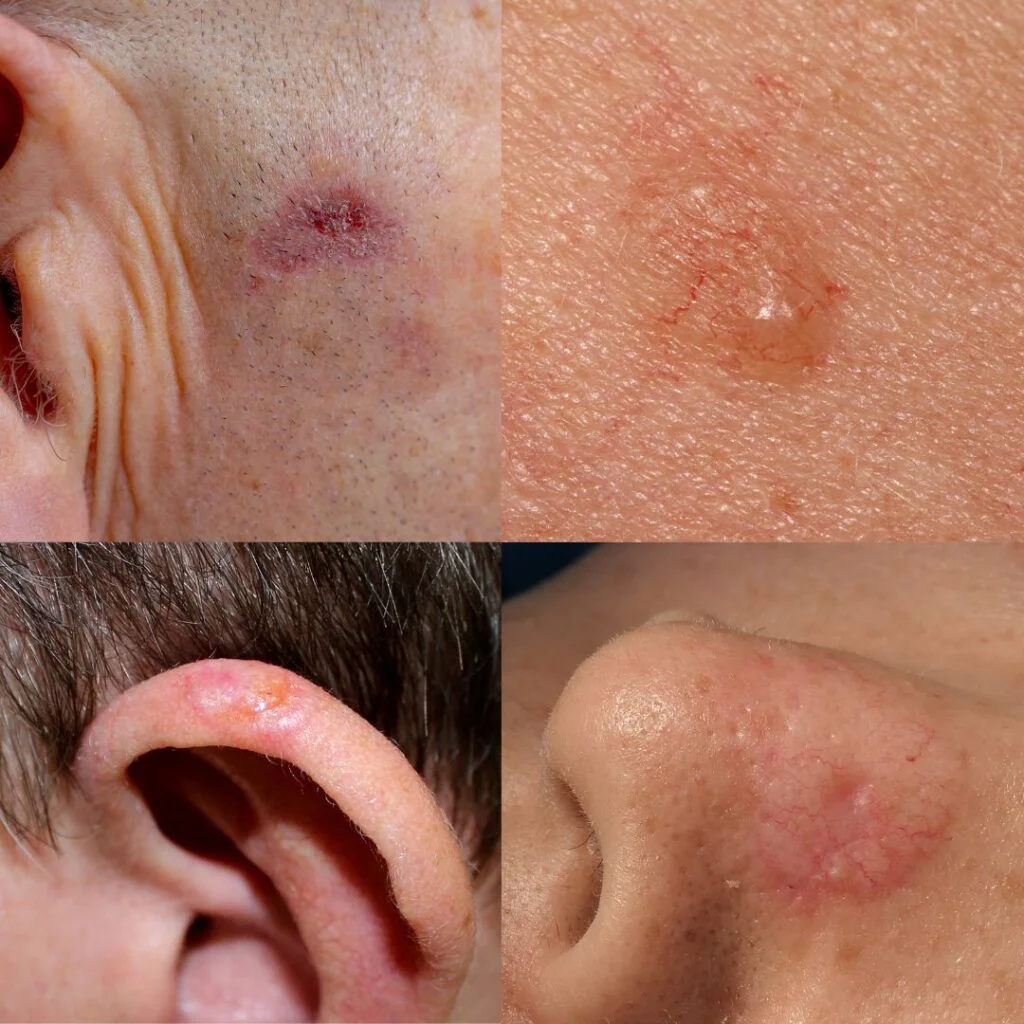
Location – Lesions on the nose, lips, ears, eyelids, and scalp are more complex to treat.
-
Size – Larger tumors often extend deeper into surrounding tissues.
-
Aggressiveness – Certain subtypes of basal cell carcinoma (BCC), squamous cell carcinoma (SCC), or melanoma grow and spread more rapidly.
-
Recurrence – Skin cancers that return after previous treatment are more challenging.
-
Patient factors – Weakened immune systems or prior radiation therapy increase risk.
High-risk cancers require not just removal, but precise removal—ensuring all cancerous cells are eliminated while preserving as much healthy tissue as possible.
The Importance of Specialist Care
Managing complex skin cancers demands advanced training and surgical experience. Dr. Shaun Segal is a highly experienced skin cancer surgeon with fellowship training from the Australian College of Cutaneous Oncology. His expertise focuses on treating challenging and high-risk skin cancers, particularly in cosmetically and functionally sensitive areas.
At Skin Cancer Only in Subiaco, Perth, comprehensive care includes diagnosis, surgical management, reconstruction, and ongoing follow-up—all essential elements in managing high-risk cases.
Advanced Surgical Approaches for High-Risk Skin Cancers
1. Precise Surgical Excision
The foundation of treatment for most high-risk skin cancers is surgical excision. This involves carefully removing the cancer along with a margin of surrounding healthy tissue to reduce the risk of recurrence.
For aggressive or recurrent tumors, wider margins may be necessary. The goal is complete cancer clearance while minimizing damage to critical structures like nerves, cartilage, or eyelid tissue.
2. Staged Excision Techniques
In certain cases, particularly where tumors have unclear boundaries, staged excision may be recommended. This approach removes the cancer in carefully mapped stages, with tissue examined between procedures to confirm all malignant cells are gone.
This method is especially useful for recurrent cancers or those located in high-risk facial areas where tissue preservation is essential.
3. Reconstructive Surgery
Once a high-risk skin cancer is removed, reconstruction often becomes the next critical step. Larger excisions can leave significant defects, especially on the face. Advanced reconstructive techniques help restore both appearance and function.
Common reconstructive approaches include:
-
Local flaps – Nearby skin is repositioned to cover the defect while maintaining natural contours.
-
Full-thickness skin grafts – A layer of skin is taken from another area of the body to repair the surgical site.
-
Partial-thickness grafts – Used when surface repair is sufficient.
These techniques are particularly important for cancers on the nose, lips, ears, and eyelids, where maintaining symmetry and function is vital.
4. Managing Melanoma
High-risk melanoma requires prompt and thorough surgical intervention. The depth of invasion determines the required excision margin. In some cases, additional procedures such as sentinel lymph node biopsy may be recommended to assess whether the cancer has spread.
Early intervention dramatically improves survival rates, which reinforces the importance of routine skin checks and rapid evaluation of suspicious lesions.
Protecting Function as Well as Appearance
One of the biggest challenges in high-risk skin cancer management is balancing complete cancer removal with preserving function. For example:
-
Cancers on the eyelids must be removed without affecting vision or blinking ability.
-
Lesions on the lips require careful repair to maintain speech and eating functions.
-
Tumors on the nose must be reconstructed in a way that preserves airflow and symmetry.
Expert surgical planning ensures that both oncologic safety and cosmetic outcomes are prioritized.
Reducing the Risk of Recurrence
High-risk cancers have a greater chance of returning if not fully treated. To reduce recurrence:
-
Complete excision with clear margins is essential.
-
Pathology review confirms full cancer removal.
-
Regular follow-up appointments monitor for new or recurring lesions.
Patients who have had one high-risk skin cancer are more likely to develop additional lesions, making ongoing surveillance critical.
The Emotional Impact of High-Risk Diagnosis
A diagnosis of high-risk skin cancer can feel overwhelming. Concerns about scarring, recurrence, and overall health are common. Having an experienced specialist who can explain surgical options clearly and provide a structured treatment plan helps reduce anxiety.
Clear communication, personalized care, and realistic expectations are key components of successful management.
Prevention and Early Detection Still Matter
While advanced surgical approaches are highly effective, prevention and early detection remain the best strategies. Sun protection, routine skin checks, and prompt evaluation of suspicious changes significantly reduce the likelihood of a cancer becoming high-risk.
Patients should seek professional assessment if they notice:
-
Rapidly growing lesions
-
Ulcers that don’t heal
-
Changes in color, shape, or size of moles
-
Persistent tenderness or bleeding
The earlier a high-risk cancer is identified, the more conservative the surgical approach can often be.
Final Thoughts
Managing high-risk skin cancers requires expertise, precision, and a comprehensive treatment strategy. From accurate diagnosis to advanced excision and reconstructive surgery, specialist care ensures optimal medical and cosmetic outcomes.
With the right surgical approach and consistent follow-up, even complex skin cancers can be treated effectively. Prioritizing regular skin checks and seeking expert evaluation at the earliest sign of change remains the most powerful step in protecting your health and your future.


