
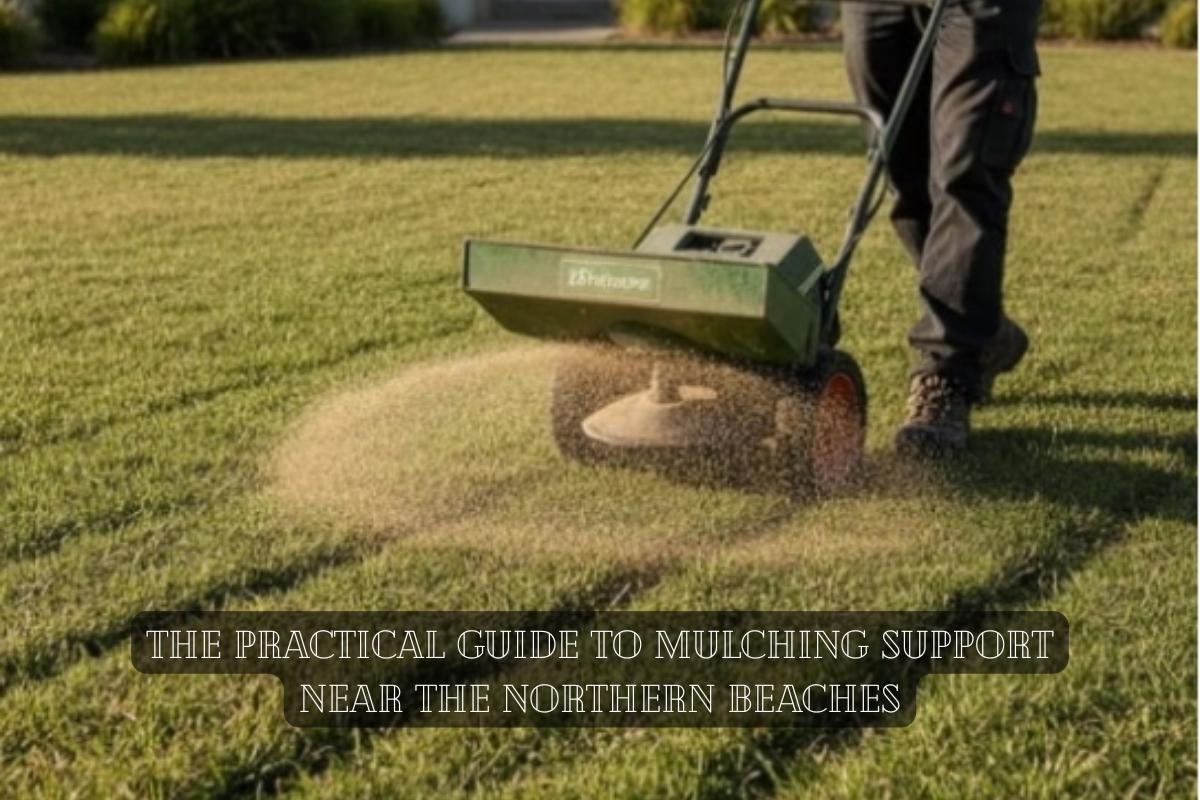
The practical guide to mulching support near the Northern Beaches

There’s a particular kind of garden frustration that feels very Northern Beaches.
You can be out there watering, pulling weeds, buying the “good” potting mix, even adding new plants… and somehow the beds still look tired. The soil dries out between waterings. Weeds pop back up like they never got the memo. And after a week of wind or a sudden downpour, the whole thing can look a bit undone again.
A lot of that isn’t you. It’s the conditions. Coastal sun, salt-laced breezes, and pockets of sandy or fast-draining soil can make gardens behave differently here than they do in a few suburbs inland. That’s why mulching and fertilising (done properly) are less about making things look neat and more about getting the fundamentals right so the garden can hold its shape.
Why Northern Beaches gardens don’t stay “finished” for long
A bed can look perfect on a calm morning and then feel like it’s unravelled by the weekend. Usually, it comes down to a handful of repeat offenders.
The moisture disappears fast
Wind and sun don’t just dry leaves — they pull moisture from the soil surface too. If your soil drains quickly (common in sandier areas), plants can swing between “wet feet” right after watering and dry stress not long after.
Bare soil is a magnet for trouble
Open soil is an invitation: weed seeds land, temperature swings hit harder, and heavy rain can splash and erode the surface. A bare bed almost always needs more attention than one that’s covered.
Nutrients don’t hang around
In lighter soils, nutrients can leach away, especially if fertiliser goes down at the wrong time or isn’t watered in correctly. And if heavy rain follows, the problem isn’t just wasted product — runoff can carry nutrients where you don’t want them.
Water moves things downhill
On sloped blocks or anywhere stormwater runs through, light mulch can migrate. You end up with bare patches at the top, a drift at the bottom, and exposed roots in between.
Mulch is the quiet fix for a lot of this. Not because it’s flashy, but because it changes how the soil behaves between the moments you’re out there caring for it.
What mulching really does (when it’s done properly)
Fresh mulch gives you that instant “ahh, that looks better” feeling. The bigger payoff is what happens later — when you realise you’ve watered less, weeded less, and your plants look steadier.
It keeps moisture in the zone longer
Mulch acts like a protective blanket. It reduces evaporation, which means the water you add stays useful for longer. In coastal conditions, that buffering is often the difference between a bed that copes and one that constantly swings between extremes.
It stops roots from living through temperature whiplash
Exposed soil can heat up sharply in the day and cool quickly at night. Roots aren’t dramatic about it, but they do respond. Mulch softens those swings and helps plants settle in.
It helps with weeds — but only after you deal with what’s already there
Mulch blocks light. Many weed seeds need light to germinate, so a decent layer reduces the “new batch.” But it won’t erase established weeds with deep roots. If you mulch over an existing problem, you usually just delay it.
It protects soil structure
Heavy rain hitting bare soil can compact and crust the surface. Mulch reduces that impact. Over time, it can help keep the top layer looser and easier for water to soak into — especially important if you’ve ever watched water bead and run off instead of absorbing.
Mulch types that behave well in coastal Sydney
There’s no perfect mulch for every job, but there are choices that tend to work better with wind, rain, and fast-draining soil.
For ornamental beds: Chunkier mulch usually stays put
Fine mulch can look tidy on day one and then end up scattered after a windy night. Chunkier woodchip-style mulches generally hold their position better, last longer, and don’t break down as quickly. They’re often the easiest “set and maintain” option for front beds and feature planting.
For veggie patches: Think about what you want the soil to become
Softer organic mulches can break down into the soil and improve structure over time. The trade-off is topping up more often. If your veggie patch soil feels tired, this can be worth it — just expect more maintenance.
Around trees and shrubs: Give trunks breathing room
Mulch around trees is great. Mulch against trunks is not. Keep a clear ring around the trunk or stems so you’re not trapping moisture where rot and pests like to hang out.
For lawns: People mean two different things
“Mulching” can mean:
-
Adding mulch to garden beds beside the lawn (the classic border situation), or
-
Mulching clippings back into the turf while mowing (depending on mower setup and lawn health).
Both can help — they just do different jobs.
Where fertilising fits (and when it makes things worse)
Fertiliser is useful, but it’s not a magic wand. If the soil dries out hard between waterings, or water runs straight through the bed, feeding can underdeliver or cause problems.
The simplest way to think about it: fertiliser works best when the basics are stable — moisture, soil structure, and season.
A few practical rules of thumb that tend to suit coastal Sydney:
-
Don’t feed right before heavy rain. You risk runoff and wasted product.
-
Watering habits matter. Even good fertiliser struggles when soil moisture is wildly inconsistent.
-
Lawns and garden beds aren’t the same. One “do-it-all” product for everything often leads to mediocre results.
In service terms, fertilising can involve different approaches (organic vs inorganic, slow-release vs liquid, topdressing, seasonal programs). The “right” option depends on what you’re feeding and what you’re trying to fix.
What nearby mulching support should look like in real life
When people search “mulching near me,” what they want is fast. What they usually need is someone who does a quick, competent scope before they start.
A good mulching-and-feeding visit doesn’t have to be complicated, but it should feel considered:
-
A quick check of the site before choosing products
-
Prep that matches the actual problem (not skipped, not overdone)
-
Even application with tidy edges
-
Plain aftercare notes for the next 1–2 weeks, especially watering
If you want a benchmark for what a menu-style service description can include — from mulching beds and lawn edges through to multiple fertilising approaches and basic aftercare guidance — one example is this overview of mulching and fertilising services (A Bargain Gardener).
Key Takeaways
-
Mulch is one of the simplest ways to stabilise moisture and reduce weed pressure on the Northern Beaches.
-
Prep is where the results come from: weeding, shaping, and planning for runoff.
-
Depth matters — thin layers don’t do much; thick layers can cause issues.
-
Fertiliser works best when matched to season, watering, and whether you’re feeding lawns, beds, or trees.
-
“Nearby support” is best judged by process: a site check, sensible product choice, even coverage, and clear aftercare guidance.


