
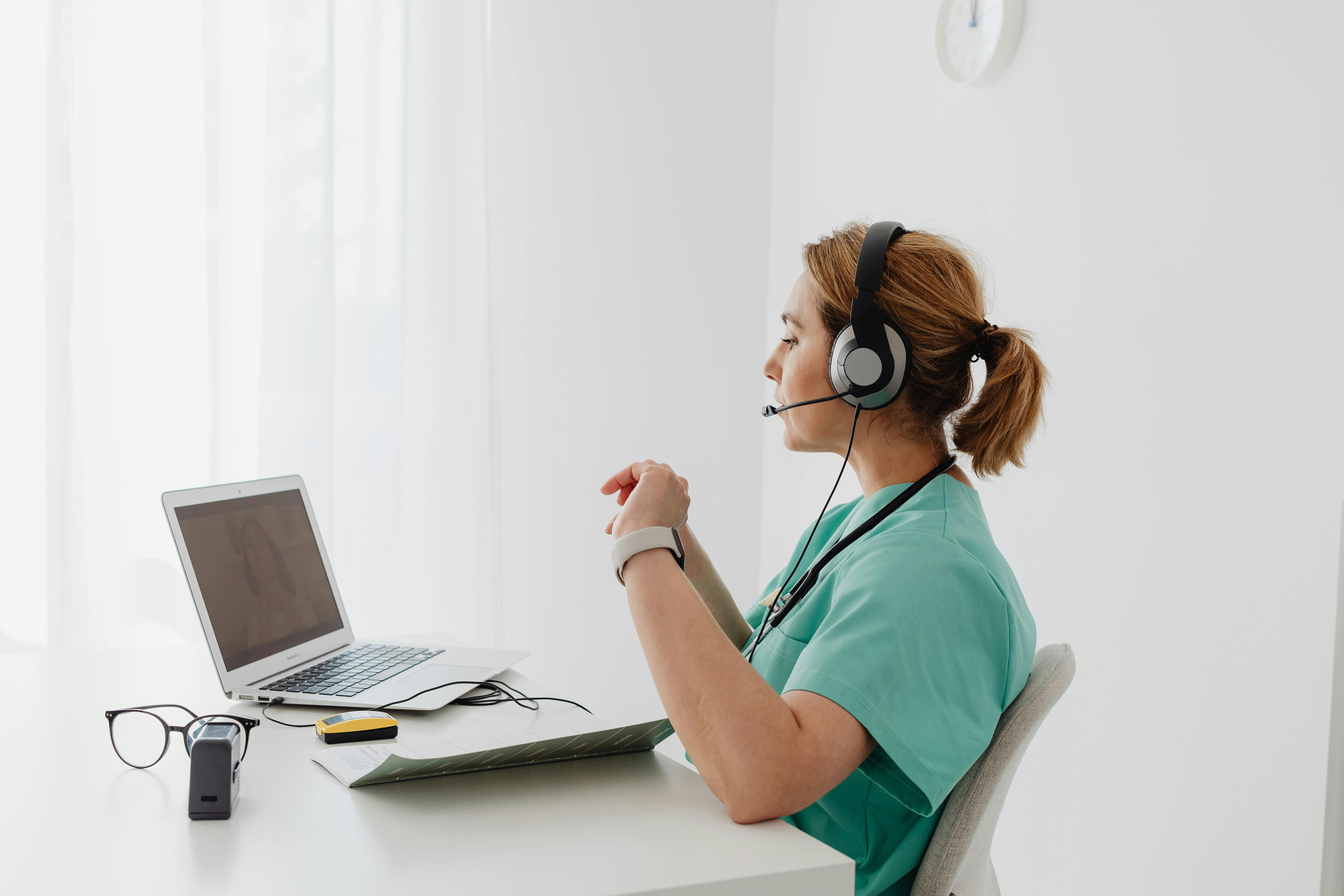

Telehealth nursing has changed how care is delivered, day by day. Nurses now connect with patients through screens instead of hospital rooms. Because of this shift, the right tools matter more than ever. In many telehealth nursing roles, technology supports every decision, conversation, and follow-up. Still, these tools are not just software. They shape how you listen, respond, and care.
In this blog, we will walk through the core tools that telehealth nurses use daily. We will focus on real workflows. Along the way, you will see how technology supports safe care and sustainable careers.
Digital Communication Platforms That Keep Care Personal
Clear communication sits at the center of telehealth nursing. Without it, care quickly falls apart. Video platforms and secure messaging tools help nurses connect with patients in real time. These tools allow you to see facial cues and hear tone, which matters in clinical care.
At the same time, secure chat features support quick follow ups. Nurses can answer questions, share instructions, and reassure patients. Because of this, care continues even after the call ends.
Common features nurses rely on include:
-
Secure video visits with stable connections
-
Encrypted messaging for patient questions
-
Easy file sharing for lab reports or care plans
Together, these features help maintain trust. They also reduce confusion, which improves patient outcomes.
Electronic Health Records Designed for Remote Work
Electronic Health Records guide almost every telehealth shift. These systems store patient history, current symptoms, and care notes. Without fast access, safe care becomes difficult. Because telehealth nurses often move between cases quickly, EHR speed matters.
Accurate charting also protects both patients and nurses. It ensures continuity of care across providers. While charting remotely can feel intense, well-designed systems reduce errors.
Daily EHR tasks usually include:
-
Reviewing patient history before virtual visits
-
Updating care plans after assessments
-
Documenting medications and responses
When systems work well, nurses spend more time caring and less time clicking.
Remote Patient Monitoring Tools That Track Health Trends
Remote monitoring devices bring vital signs into the virtual space. These tools allow nurses to track patient data from home settings. Blood pressure, oxygen levels, and glucose readings arrive through connected dashboards.
Because trends matter more than single readings, these tools help nurses spot early warning signs. Alerts notify nurses when values shift beyond safe ranges. As a result, early action becomes possible.
Common monitoring tools include:
-
Blood pressure cuffs connected to apps
-
Glucose monitors for chronic care
-
Pulse oximeters for respiratory tracking
With these tools, telehealth nurses can support proactive care, not just reactive responses.
Clinical Decision Support Systems That Guide Safe Choices
Virtual care removes physical exams, which increases pressure on judgment. Clinical decision support tools help fill that gap. These systems offer prompts based on symptoms, history, and best practices.
They do not replace clinical judgment. Instead, they support it. When used well, they reduce oversight and standardize care. Nurses feel more confident when evidence supports each step.
For example, decision tools may suggest:
-
Follow-up questions based on symptoms
-
Risk alerts for medication interactions
-
Care pathway recommendations
Because of this support, nurses can act quickly while staying aligned with care standards.
Scheduling and Workflow Systems That Reduce Burnout
Telehealth nurses often manage multiple patients across time zones. Without structure, days become overwhelming. Scheduling and workflow tools help organize shifts, visits, and tasks.
Automated reminders reduce missed appointments. Task lists clarify priorities. Together, these tools support focus and balance.
Common workflow tools include:
-
Appointment scheduling platforms
-
Task and case management systems
-
Automated patient reminders
When workflows are clear, nurses experience less stress and better job satisfaction.
Security and Privacy Technology That Protects Trust
Patient trust depends on privacy. Telehealth nurses handle sensitive data daily. Security tools protect that information across devices and platforms.
Encryption, secure logins, and access controls play a role. Nurses also follow daily habits to reduce risk. Simple actions matter.
These habits include:
-
Logging out after each session
-
Using secure networks only
-
Following strict access protocols
Because of these systems and habits, patient data remains protected.
AI-Assisted Documentation That Saves Time
Documentation often extends beyond shift hours. AI-assisted tools help reduce that burden. Voice-to-text systems convert conversations into structured notes. This speeds up charting while maintaining accuracy.
However, nurses still review every note. Clinical accuracy always comes first. When used carefully, these tools reduce fatigue.
Benefits nurses notice include:
-
Faster note completion
-
Less after-hours charting
-
Improved focus during patient calls
As a result, work feels more manageable and balanced.
Training Platforms That Support Ongoing Learning
Telehealth nursing requires continuous learning. New tools, protocols, and care models appear often. Training platforms help nurses stay updated without disrupting schedules.
These platforms offer short modules and scenario-based learning. Nurses build confidence through practice and repetition. This supports safer care delivery.
Training platforms often include:
-
Updated clinical guidelines
-
Technology tutorials
-
Compliance refreshers
Because learning remains accessible, nurses grow without feeling overwhelmed.
Everyday Technology Challenges Nurses Face
Technology does not always cooperate. Connection drops, systems lag, and updates confuse workflows. These challenges can frustrate even experienced nurses.
Still, strong support systems help. Technical assistance, peer guidance, and flexible protocols reduce disruption. Over time, nurses adapt and develop confidence.
Acknowledging these challenges matters. It keeps expectations realistic and supports better preparation.
How Tech Skills Support Long-Term Career Growth
Technology skills now define telehealth nursing success. Nurses who adapt gain flexibility and confidence. These skills open doors to leadership, education, and advanced care roles. #telehealth_nurse #telehealth_nursing


