
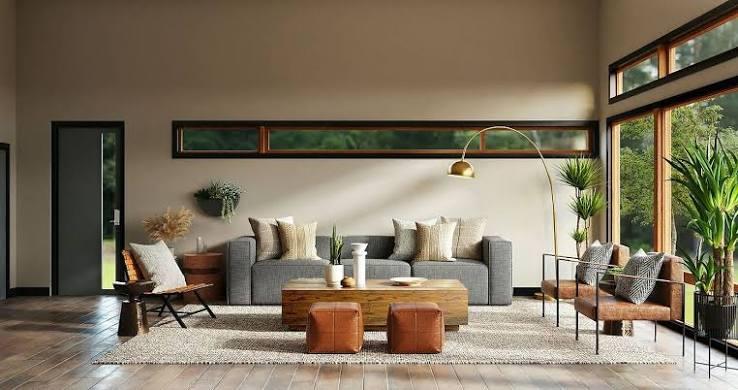
Interior Design: Create Beautiful and Functional Living Spaces

Interior design plays an important role in making homes, offices, and commercial spaces beautiful, comfortable, and functional. A well-designed interior is not only about choosing attractive furniture or decorative accessories. It involves creating a balanced environment where colours, lighting, materials, furniture, and layouts work together to improve everyday living.
Whether you want to renovate your home, decorate a new apartment, redesign an office, or create an impressive commercial environment, professional interior design can help turn your ideas into reality. The right design approach makes better use of available space while reflecting your personality, lifestyle, and preferences.
Modern interior design focuses on simplicity, comfort, functionality, and visual appeal. From contemporary living rooms and elegant bedrooms to modern kitchens and stylish office spaces, every area can benefit from thoughtful planning and creative design solutions.
Choosing suitable materials, furniture, lighting, and colour combinations is essential for achieving a beautiful result. A professionally designed interior can also improve organization, create a welcoming atmosphere, and make your property more enjoyable.
In this guide, you will discover popular interior design styles, essential design elements, room-specific ideas, material choices, and practical tips for creating attractive and functional interiors.
What Is Interior Design?
Interior design is the process of planning, organizing, and decorating indoor spaces to improve their appearance, comfort, and functionality.
It involves combining different design elements, including furniture, colours, lighting, flooring, wall finishes, textures, and decorative accessories.
A successful interior design considers both aesthetics and practical requirements. For example, a living room should look attractive while providing comfortable seating and enough space for movement. Similarly, a kitchen should have an appealing appearance while supporting convenient cooking, storage, and cleaning.
Interior design can be applied to different environments, including:
-
Residential homes and apartments.
-
Living rooms and bedrooms.
-
Kitchens and dining areas.
-
Offices and corporate spaces.
-
Hotels and hospitality environments.
-
Restaurants and retail stores.
-
Healthcare and educational facilities.
Every space has different requirements, which is why interior design should be planned according to its purpose and the people who use it.
Why Is Interior Design Important?
Interior design has a direct impact on how people experience their surroundings. A thoughtfully designed environment can improve comfort, organization, and overall satisfaction.
Improves Space Utilization
Good interior design helps make better use of available space. Proper furniture placement, storage solutions, and layout planning can make even smaller rooms feel more spacious.
Designers consider room dimensions, natural light, movement, and furniture requirements before developing a suitable layout.
Creates a Comfortable Environment
Comfort is an essential part of interior design. Suitable furniture, balanced lighting, attractive colours, and appropriate materials can create a relaxing atmosphere.
A comfortable home makes everyday activities more enjoyable, while a well-designed workplace can support a more pleasant working environment.
Reflects Personal Style
Your interior should reflect your personality and preferences. Some people prefer minimalist spaces, while others enjoy luxury finishes, traditional furniture, or colourful decorative elements.
Interior design allows you to create an environment that feels personal and matches your lifestyle.
Improves Functionality
A beautiful space should also be practical. Interior design helps organize different areas according to their intended use.
For example, a kitchen requires convenient work surfaces and storage, while a bedroom needs comfortable furniture and a relaxing atmosphere.
Enhances Property Appeal
An attractive and well-maintained interior can improve the overall impression of a property. Quality finishes, coordinated furniture, and thoughtful layouts can make residential and commercial spaces more appealing.
Popular Interior Design Styles
Choosing the right interior design style is an important part of creating a balanced and attractive environment. Different styles offer different appearances, materials, and decorative approaches.
Modern Interior Design
Modern interior design focuses on clean lines, simple shapes, functional furniture, and balanced colour combinations.
It often includes neutral shades, natural materials, open layouts, and minimal decorative accessories.
This style is suitable for homeowners who prefer an organized and sophisticated environment without unnecessary decoration.
Contemporary Interior Design
Contemporary interior design reflects current design preferences and evolving trends. It combines modern furniture, creative lighting, interesting textures, and carefully selected decorative elements.
Unlike traditional modern design, contemporary interiors can incorporate different materials, shapes, and colours depending on current styles.
Minimalist Interior Design
Minimalist interior design focuses on simplicity and functionality. It uses limited furniture, clean layouts, neutral colours, and uncluttered surfaces.
The main goal is to create a peaceful environment where every design element has a clear purpose.
This approach works particularly well in smaller apartments and homes where efficient space utilization is important.
Luxury Interior Design
Luxury interior design emphasizes elegance, premium materials, sophisticated furniture, and attractive decorative details.
Common features include marble surfaces, designer lighting, custom furniture, textured wall panels, and high-quality fabrics.
A successful luxury interior balances visual richness with comfort and functionality.
Scandinavian Interior Design
Scandinavian design combines simplicity, natural materials, soft colours, and practical furniture.
Light wood, comfortable textiles, natural lighting, and clean layouts are common features.
This style creates a warm and welcoming environment without making the space feel crowded.
Traditional Interior Design
Traditional interior design takes inspiration from classic furniture, detailed woodwork, decorative patterns, and timeless materials.
It is suitable for people who appreciate elegant surroundings and classic architectural details.
Essential Elements of Interior Design
A successful interior combines different elements to create a visually balanced and practical environment.
Colour Selection
Colours influence the appearance and atmosphere of a room. Light shades can make spaces feel open and bright, while darker colours can introduce depth and sophistication.
Neutral colours such as white, beige, grey, and cream are popular because they work well with different furniture styles.
Accent colours can be introduced through cushions, artwork, rugs, curtains, and decorative accessories.
Lighting Design
Lighting is an important part of interior design because it affects both functionality and atmosphere.
Interior lighting generally includes:
-
Ambient lighting: Provides general illumination throughout a room.
-
Task lighting: Supports specific activities such as reading, cooking, and working.
-
Accent lighting: Highlights artwork, architectural details, and decorative features.
Combining different lighting types creates a comfortable and visually appealing environment.
Furniture Selection
Furniture should match the room's size, design style, and intended purpose.
Comfortable sofas, practical storage units, suitable dining tables, and well-designed beds can improve everyday functionality.
Choosing furniture with appropriate dimensions also helps maintain enough space for movement.
Flooring Materials
Flooring contributes significantly to the overall appearance of an interior.
Popular flooring options include:
-
Marble flooring.
-
Porcelain and ceramic tiles.
-
Natural wood flooring.
-
Luxury vinyl flooring.
-
Engineered wood.
-
Natural stone.
The right choice depends on durability, maintenance requirements, comfort, and design preferences.
Wall Design and Decoration
Walls provide an opportunity to introduce texture, colour, and personality into a room.
Decorative wall panels, textured finishes, wallpapers, artwork, and feature walls can create attractive focal points.
Selecting suitable wall treatments helps connect different elements of the interior design.
Textures and Fabrics
Textures add depth and visual interest to indoor environments.
Soft curtains, comfortable rugs, decorative cushions, upholstered furniture, and natural fabrics can make a room feel warmer and more inviting.
Combining different textures helps create a balanced design without depending entirely on colour.
Interior Design Ideas for Different Rooms
Every room has a different purpose, so its design should reflect the activities performed in that space.
Living Room Interior Design
The living room is often the central gathering area of a home. It should provide comfortable seating while creating an attractive environment for family members and guests.
Consider comfortable sofas, coordinated furniture, attractive lighting, decorative rugs, and suitable storage.
An open layout can make the living room feel more spacious and connected to other areas.
Bedroom Interior Design
A bedroom should feel peaceful, comfortable, and relaxing.
Soft colours, comfortable bedding, suitable lighting, and organized storage can improve the overall atmosphere.
Custom wardrobes, bedside tables, and decorative headboards can add functionality and visual appeal.
Kitchen Interior Design
A well-designed kitchen combines attractive appearance with practical functionality.
Important features include convenient storage, durable countertops, suitable cabinets, effective lighting, and properly planned work areas.
Modern kitchens often use neutral colours, integrated appliances, and clean cabinet designs.
Bathroom Interior Design
Bathroom design should focus on comfort, cleanliness, and moisture-resistant materials.
Modern bathrooms may include walk-in showers, attractive tiles, stylish mirrors, floating vanities, and suitable lighting.
Good ventilation and practical storage are also important for maintaining a comfortable environment.
Home Office Interior Design
A home office should support concentration, organization, and comfort.
An ergonomic chair, practical desk, sufficient storage, and proper lighting can improve the working environment.
A clean and organized layout helps reduce distractions and makes the space more functional.
How to Choose the Right Interior Design Company
Selecting an experienced interior design company can make your project easier and help you achieve better results.
Review Previous Projects
Explore the company's portfolio to understand its design style, creativity, and quality of work.
Look for projects that are similar to your property and preferred interior style.
Check Professional Experience
Choose a company with relevant experience in residential or commercial interior design.
An experienced team can help with space planning, material selection, furniture arrangements, and project coordination.
Discuss Your Requirements
Clearly communicate your design preferences, lifestyle needs, budget, and expectations.
This helps the designer develop a concept that matches your requirements.
Understand the Project Scope
Before starting work, ask for a clear explanation of the services included.
The scope may cover concept development, design drawings, material selection, furniture planning, lighting, and installation coordination.
Compare Quotations
Request detailed quotations and compare the materials, design services, and work included.
A clear quotation helps avoid misunderstandings and supports better project planning.
Interior Design Process: From Concept to Completion
Professional interior design generally follows a structured process to ensure that the project meets the owner's expectations.
Initial Consultation
The designer discusses your requirements, preferences, lifestyle, and budget.
This helps establish the overall direction of the project.
Site Measurement and Assessment
The property is inspected to evaluate room dimensions, existing features, natural lighting, and available space.
Accurate measurements support better design planning.
Concept Development
The designer prepares a concept that includes colour schemes, furniture ideas, materials, and the overall visual direction.
This stage helps you understand how the completed space may look.
Design Planning
Detailed layouts and design drawings are prepared according to the approved concept.
These may include furniture arrangements, lighting plans, ceiling designs, flooring, and wall finishes.
Material and Furniture Selection
Suitable materials, furniture, fabrics, fixtures, and decorative elements are selected.
The choices should balance quality, appearance, functionality, and budget.
Implementation and Final Inspection
The approved design is implemented through the required installation and finishing work.
A final inspection helps ensure that the completed interior matches the agreed design and quality expectations.
Interior Design Trends for Modern Homes
Interior design trends continue to evolve as people look for comfortable, practical, and attractive living environments.
Some popular design directions include:
Natural materials: Wood, stone, natural fabrics, and textured finishes introduce warmth and character.
Warm neutral colours: Beige, cream, taupe, and soft brown shades create comfortable and timeless interiors.
Curved furniture: Rounded sofas, curved chairs, and soft architectural shapes create a more welcoming appearance.
Smart home integration: Automated lighting, climate control, and smart appliances improve convenience.
Biophilic design: Indoor plants, natural light, and nature-inspired materials help connect indoor environments with the natural world.
Multifunctional furniture: Storage beds, convertible desks, and flexible furniture help make better use of available space.
Sustainable materials: Recycled, responsibly sourced, and durable materials support more environmentally conscious design choices.
How Much Does Interior Design Cost?
Interior design costs depend on the size of the property, design complexity, selected materials, furniture, and required services.
Some projects only require design consultation and planning, while others include complete interior renovation and implementation.
Important factors that influence the overall cost include:
-
Property size and room layout.
-
Designer experience and service scope.
-
Furniture quality and customization.
-
Flooring and wall finishes.
-
Lighting and electrical requirements.
-
Kitchen and bathroom upgrades.
-
Decorative accessories and soft furnishings.
-
Installation and labour requirements.
Before beginning your project, request a detailed quotation that clearly explains design services, material specifications, furniture, and implementation costs.
Frequently Asked Questions About Interior Design
What is the main purpose of interior design?
The main purpose of interior design is to create attractive, comfortable, and functional indoor environments. It combines furniture, lighting, colours, materials, and layouts to improve how people use their spaces.
Why is professional interior design important?
Professional interior design helps improve space utilization, functionality, comfort, and visual appearance. Designers can also help select suitable materials and create a coordinated design.
What are the most popular interior design styles?
Modern, contemporary, minimalist, luxury, Scandinavian, and traditional styles are popular choices. The best style depends on personal preferences, property architecture, and lifestyle.
How do I choose the right colours for my home?
Consider the room's natural lighting, furniture, size, and overall design style. Neutral shades provide flexibility, while accent colours can introduce personality and visual interest.
Can interior design make a small room look bigger?
Yes, suitable furniture arrangements, light colours, mirrors, natural lighting, and smart storage solutions can make a small room feel more spacious.
What is the difference between modern and contemporary interior design?
Modern design generally follows a more defined design philosophy with clean lines and functional simplicity. Contemporary design reflects current trends and can incorporate different styles, materials, and shapes.
How much does interior design cost?
The cost depends on property size, design complexity, furniture, materials, and the services required. A detailed quotation helps determine the expected investment.
Can I redesign my existing home without major renovation?
Yes, many interior improvements can be completed without major structural changes. Updating furniture, lighting, colours, curtains, wall finishes, and decorative accessories can significantly improve a home's appearance.
What materials are best for modern interior design?
Popular materials include natural wood, marble, porcelain tiles, glass, metal, and high-quality fabrics. The right materials depend on the intended use, budget, and maintenance requirements.
How can I make my interior design more sustainable?
Choose durable materials, energy-efficient lighting, responsibly sourced furniture, and natural ventilation solutions. Reusing existing furniture where practical can also reduce waste.
Conclusion
Interior design is an essential part of creating beautiful, comfortable, and functional living and working environments. From selecting suitable colours and furniture to planning lighting, flooring, and decorative elements, every design decision contributes to the overall appearance and experience of a space.
Whether you want to create a modern living room, renovate your kitchen, design a relaxing bedroom, or improve your office environment, thoughtful interior planning can help you achieve your goals.
Choosing the right design style, using quality materials, and working with experienced professionals are important steps toward achieving a successful result. A well-designed interior should not only look attractive but also support your daily activities and lifestyle.
With creative ideas and careful planning, you can transform any indoor space into an environment that reflects your personality, provides lasting comfort, and makes everyday living more enjoyable.