
Choosing a Reliable PVDF Supplier in Dubai for Industrial Applications
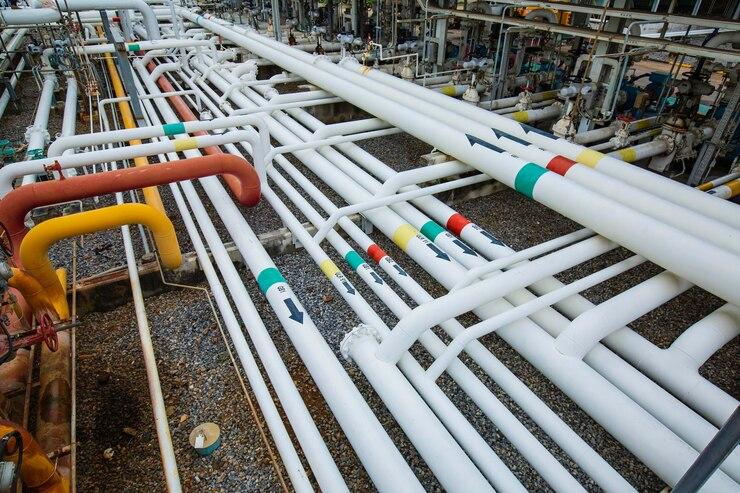
In today's industrial environment, selecting the right materials is essential for maintaining operational efficiency, safety, and long-term performance. Industries such as chemical processing, water treatment, oil and gas, pharmaceuticals, and manufacturing depend on specialised materials that can withstand demanding operating conditions. One material that has gained significant attention across these sectors is Polyvinylidene Fluoride, commonly known as PVDF. Its excellent chemical resistance, mechanical strength, and temperature stability make it a preferred choice for many industrial applications. As industrial development continues across the UAE, the demand for a reliable PVDF supplier in Dubai is growing steadily.
Dubai has become an important centre for industrial trade, engineering, construction, and infrastructure development. Businesses operating in these sectors require dependable suppliers who can provide quality materials that meet project specifications. Choosing an experienced supplier is not simply about purchasing pipes, fittings, or sheets. It is about finding a dependable partner who understands industrial requirements and can support projects with suitable material solutions.
Understanding PVDF and Its Industrial Importance
PVDF is a high-performance thermoplastic fluoropolymer known for its outstanding resistance to chemicals, corrosion, and environmental conditions. Unlike conventional plastic materials, PVDF offers a combination of durability, dimensional stability, and mechanical performance that makes it suitable for demanding industrial environments.
One of the biggest advantages of PVDF is its ability to resist many aggressive chemicals, including various acids, solvents, and corrosive substances. This makes it particularly useful in industries where conventional piping materials may deteriorate over time.
Another important feature is its excellent thermal stability. PVDF can maintain its performance across a relatively wide temperature range, depending on the grade and application requirements. It also offers good resistance to ultraviolet exposure and weathering, making it suitable for selected outdoor applications.
Because of these properties, PVDF is widely used in chemical transportation systems, water treatment facilities, semiconductor manufacturing, pharmaceutical production, and specialised industrial installations.
Why Businesses Need a Reliable PVDF Supplier in Dubai
Dubai's industrial sector includes a wide range of businesses that require specialised piping and engineering materials. From large-scale infrastructure projects to specialised manufacturing facilities, companies need materials that offer consistent performance and reliability.
Working with a dependable PVDF supplier in Dubai provides several advantages.
First, a knowledgeable supplier can help businesses identify suitable PVDF products based on their technical requirements. Different projects may require different pipe dimensions, pressure ratings, fitting configurations, and material specifications. Choosing the wrong product can result in installation difficulties, unnecessary expenses, or operational problems.
Second, product availability plays an important role in project planning. Delays in sourcing specialised materials can affect installation schedules and increase overall project costs. A supplier with an organised supply process can help customers plan material procurement more efficiently.
Third, technical understanding is essential. Industrial piping systems must be designed according to operating pressure, temperature, chemical compatibility, and applicable engineering standards. An experienced supplier can assist customers in understanding product specifications before making purchasing decisions.
Major Applications of PVDF in Different Industries
PVDF is used across several industrial sectors because of its specialised material properties. Its versatility makes it suitable for applications where chemical resistance and long-term reliability are important.
1. Chemical Processing Industry
Chemical processing facilities frequently handle corrosive liquids and aggressive substances. Piping systems used in these environments must withstand chemical exposure without experiencing premature deterioration.
PVDF pipes and fittings are commonly considered for chemical transfer lines, processing equipment connections, and specialised fluid-handling systems. Their chemical resistance helps reduce the risk of material degradation when the correct grade is selected for the chemical and operating conditions.
2. Water and Wastewater Treatment
Water treatment plants depend on reliable piping systems for transporting liquids throughout different treatment stages. These facilities may handle treated water, process chemicals, and other industrial fluids.
PVDF is used in selected water treatment applications because of its corrosion resistance and durability. It can be suitable for chemical dosing lines, fluid transportation systems, and specialised treatment equipment connections.
Material selection should always consider the chemical composition, temperature, pressure, and applicable water quality requirements.
3. Pharmaceutical Manufacturing
The pharmaceutical industry follows strict manufacturing and quality requirements. Equipment and piping materials must be suitable for their intended applications and should not compromise the quality of the products being manufactured.
PVDF is used in certain pharmaceutical and biotechnology applications because of its chemical resistance, purity characteristics, and ability to withstand demanding operating environments.
4. Semiconductor and Electronics Manufacturing
Semiconductor manufacturing requires highly controlled production environments. Certain processes involve ultrapure water and specialised chemicals that demand carefully selected fluid-handling materials.
PVDF grades designed for high-purity applications are used in suitable systems where contamination control and chemical compatibility are important considerations.
5. Oil, Gas, and Industrial Processing
The oil and gas sector requires specialised materials for handling different fluids and operating conditions. PVDF may be used in selected industrial applications where its chemical and mechanical properties provide an advantage.
However, material suitability must always be evaluated against the specific operating environment, pressure requirements, and relevant engineering standards.
Important Features That Make PVDF a Preferred Material
When comparing different industrial plastics, PVDF offers several advantages that make it attractive for specialised applications.
Excellent Chemical Resistance: PVDF can withstand exposure to many aggressive chemicals. This property makes it suitable for various chemical processing and fluid transportation applications.
High Mechanical Strength: Compared with several conventional thermoplastics, PVDF offers good mechanical strength and abrasion resistance, helping it perform in demanding installations.
Temperature Stability: PVDF maintains useful mechanical and chemical properties across a broad temperature range. The actual operating limits depend on product design and application conditions.
Corrosion Resistance: Since PVDF is a thermoplastic material, it does not experience metallic corrosion. This can make it a practical option in environments where metal piping systems may require additional corrosion protection.
UV and Weather Resistance: PVDF offers good resistance to weathering and ultraviolet exposure, which can be beneficial in selected outdoor industrial applications.
Long-Term Performance: When correctly specified, installed, and maintained, PVDF systems can provide dependable service over an extended period.
How to Choose the Right PVDF Supplier
Finding the right supplier is an important step in any industrial procurement process. Businesses should evaluate several factors before selecting a supplier for their requirements.
Check Product Quality and Specifications
Always review product specifications before placing an order. Important details include material grade, dimensions, pressure ratings, temperature limitations, and relevant manufacturing standards.
A reliable supplier should be able to provide suitable technical documentation and product information.
Understand the Available Product Range
Industrial projects may require more than just pipes. Depending on the application, customers may also need elbows, tees, reducers, adapters, valves, and other compatible components.
Choosing a supplier with a suitable product range can simplify procurement and help maintain consistency throughout the piping system.
Evaluate Technical Support
Technical guidance can make a significant difference when selecting specialised industrial materials. Suppliers who understand application requirements can help customers identify appropriate products and avoid common specification mistakes.
Consider Supply Reliability
Project schedules often depend on the timely availability of materials. Before choosing a supplier, businesses should understand product availability, delivery arrangements, and procurement timelines.
Compare Overall Value
Price is an important consideration, but it should not be the only deciding factor. Product quality, technical support, compatibility, availability, and long-term performance should also influence the purchasing decision.
PVDF Pipes and Fittings: Why Compatibility Matters
A reliable industrial piping system depends on more than the quality of individual pipes. Every component must work together according to the system design.
PVDF pipes and fittings are available in different configurations to support various industrial installation requirements. These may include bends, elbows, tees, reducers, and other connection components.
Compatibility is essential because differences in material grade, dimensions, and joining methods can affect system performance.
Installation should follow the manufacturer's recommendations and applicable engineering procedures. For thermoplastic piping systems, suitable joining techniques, such as qualified fusion methods where specified, are important for creating reliable connections.
Businesses should also consider thermal expansion, support spacing, pressure conditions, and installation surroundings when designing a PVDF piping network.
PVDF Compared with Other Industrial Plastic Materials
PVDF is not the only thermoplastic used in industrial piping systems. Other commonly used materials include PP, PPH, CPVC, and HDPE.
Each material has its own strengths and limitations.
Polypropylene is widely used in chemical processing and industrial fluid transportation because of its chemical resistance and practical cost characteristics.
CPVC is commonly selected for applications requiring a combination of chemical resistance and higher temperature capability than standard PVC.
HDPE is popular for water distribution, drainage, and various industrial applications because of its flexibility and impact resistance.
PVDF is generally selected when a project requires a specialised combination of chemical resistance, temperature performance, and mechanical properties.
The best material depends on the fluid being transported, operating temperature, pressure, installation conditions, and project budget. A technical assessment is always recommended before finalising the material.
The Growing Demand for Industrial Piping Solutions in Dubai
Dubai continues to attract investment in infrastructure, manufacturing, water management, construction, and industrial development. As businesses expand their operations, the need for specialised engineering materials also increases.
Industrial facilities are becoming more focused on operational efficiency, equipment reliability, and responsible resource management. This has encouraged greater attention towards high-performance materials that can support demanding industrial environments.
The availability of specialised products through an established PVDF supplier in Dubai can help engineering contractors, project consultants, procurement teams, and facility operators source appropriate materials for their projects.
Whether the requirement involves a new industrial installation, an equipment upgrade, or a replacement piping system, choosing the right supplier is an important part of achieving consistent project results.
Why ANZ Waters Is Worth Considering for Industrial Material Requirements
When sourcing specialised thermoplastic materials, businesses benefit from working with suppliers that understand industrial piping and fabrication requirements.
ANZ Waters provides an industrial-focused platform for exploring piping materials and related solutions. Businesses looking for PVDF products and other thermoplastic materials can visit the company website to learn more about its offerings and discuss their project requirements.
From chemical processing and water treatment to industrial infrastructure, selecting appropriate materials is essential for building reliable systems.
Customers should discuss their required material grades, product dimensions, application conditions, and technical documentation with the supplier before confirming an order.
Factors to Consider Before Purchasing PVDF Products
Before finalising a purchase, project managers and procurement professionals should prepare a clear list of technical requirements.
Start by identifying the type of fluid that will pass through the piping system. Chemical compatibility is one of the most important considerations when working with PVDF.
Next, determine the operating temperature and pressure. These factors influence the required product specifications and the suitability of the selected material.
It is also important to consider pipe dimensions, connection requirements, installation conditions, and applicable industry standards.
For specialised applications, request technical data sheets and manufacturer recommendations. This helps ensure that the selected products meet the actual needs of the installation.
A well-planned purchasing process can reduce installation issues, avoid unnecessary replacements, and support better long-term operational performance.
Conclusion
PVDF has become an important material for industries that require dependable chemical resistance, mechanical strength, and temperature stability. Its applications across chemical processing, water treatment, pharmaceuticals, electronics, and specialised manufacturing highlight its value in modern industrial infrastructure.
However, choosing the right material is only one part of the process. Businesses must also work with dependable suppliers who can provide suitable product information, technical guidance, and reliable procurement support.
For companies searching for a PVDF supplier in Dubai, understanding product specifications and evaluating supplier capabilities can make a meaningful difference to project success.
ANZ Waters is a platform worth exploring for businesses looking into industrial piping materials and thermoplastic solutions. With careful material selection and proper installation practices, companies can develop piping systems designed to meet their operational requirements and deliver dependable performance over time.


