
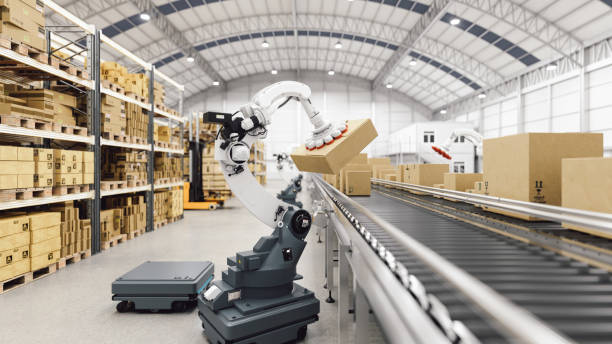
How Is Warehouse Automation Transforming Logistics Across Latin America?

Logistics and warehousing across Latin America are entering a new phase of technological advancement. Rising online shopping activity, changing customer expectations, and increasingly complicated supply chains are encouraging businesses to adopt smarter operational solutions. Automation is becoming an important part of this transition, helping organizations improve productivity, strengthen inventory management, and streamline distribution activities.
The Latin America Warehouse Automation Market was valued at approximately USD 1.50 billion in 2025 and is anticipated to reach USD 3.21 billion by 2032, registering a CAGR of around 11.48% during 2026–2032. This growth reflects increasing investments in advanced warehouse technologies that enhance order processing, storage accuracy, and supply chain reliability.
Key Highlights
- The regional warehouse automation sector is projected to reach USD 3.21 billion by 2032.
- Increasing e-commerce activity is accelerating investments in automated fulfillment infrastructure.
- Robotics, artificial intelligence, IoT, and warehouse management software are improving operational performance.
- Labor constraints are encouraging businesses to adopt automated material handling solutions.
- Manufacturing, retail, food distribution, and pharmaceutical logistics are supporting technology adoption.
How Is E-Commerce Changing Warehouse Requirements?
The growing popularity of online shopping is creating new operational requirements for warehouses throughout Latin America. Customers increasingly demand shorter delivery timelines, accurate order information, and consistent product availability. Meeting these expectations requires distribution facilities to process substantial order volumes without compromising fulfillment accuracy.
Automated storage and retrieval systems, conveyor networks, and robotic picking technologies are helping warehouse operators manage these requirements more effectively. Such solutions accelerate product movement, reduce unnecessary manual activities, and improve the overall order fulfillment process.
Retail businesses are also adopting omnichannel distribution strategies that connect physical stores with digital purchasing platforms. Automated inventory management enables better coordination between these channels while helping companies respond to changing purchasing patterns. The World Economic Forum has highlighted the importance of digital transformation in strengthening supply chain capabilities and operational efficiency.
Which Technologies Are Improving Warehouse Productivity?
Warehouse modernization increasingly involves integrating multiple digital and physical technologies into a connected operational environment. Rather than depending on individual equipment upgrades, businesses are implementing comprehensive solutions that improve coordination across storage, inventory, and distribution functions.
Important technologies contributing to this transformation include:
- Warehouse Management Systems (WMS): These platforms improve inventory tracking, order processing, and warehouse resource allocation.
- Internet of Things (IoT): Connected sensors provide real-time operational information and improve visibility across warehouse activities.
- Autonomous Mobile Robots: Robotic systems assist with material transportation and repetitive handling operations.
- Artificial Intelligence: AI-based applications support operational planning, predictive maintenance, and improved decision-making.
- Barcode Scanning: Automated identification technologies improve inventory accuracy and reduce manual recording errors.
Combining these technologies helps organizations optimize available storage capacity, minimize operational mistakes, and improve equipment utilization. Research from MHI also identifies digital supply chain technologies as important contributors to warehouse efficiency and resilience.
Why Are Labor Challenges Encouraging Automation Investments?
Workforce availability, increasing wage expenses, and employee turnover remain important considerations for warehouse operators. Businesses are therefore exploring technologies that can reduce repetitive workloads while allowing employees to concentrate on activities requiring greater supervision and decision-making.
Automation offers practical support by handling physically demanding material transportation, repetitive picking, and other routine warehouse functions. These improvements can contribute to safer working environments while helping existing teams manage higher operational volumes.
Automated equipment can also maintain consistent performance during extended operating hours, making it useful when businesses experience seasonal demand fluctuations. Consequently, organizations are increasingly viewing automation as a way to improve workforce utilization rather than simply replacing human labor.
How Are Manufacturing and Retail Supporting Technology Adoption?
Manufacturing and retail businesses are among the important contributors to warehouse technology adoption across Latin America. Manufacturers require accurate inventory coordination to maintain production schedules and support just-in-time manufacturing processes. Automated warehouse solutions help improve material availability while reducing delays associated with manual inventory handling.
Retailers, meanwhile, depend on efficient storage and fulfillment operations to manage growing online and offline sales requirements. Automated picking, sorting, and inventory tracking technologies help businesses respond to changing customer demands while maintaining consistent service standards.
Other industries are also investing in warehouse modernization. Food and beverage companies, pharmaceutical distributors, and third-party logistics providers are adopting advanced systems to strengthen product traceability, maintain quality standards, and improve distribution transparency.
What Will Shape the Future of Warehouse Automation?
The next phase of warehouse transformation will involve closer integration between physical automation equipment and intelligent digital platforms. Cloud computing, machine learning, advanced analytics, and real-time monitoring are expected to support more connected and responsive warehouse environments.
Businesses combining robotics with data-driven software solutions can gain better operational visibility and make more informed resource allocation decisions. These capabilities are particularly valuable for organizations managing multiple distribution facilities and increasingly complex logistics networks.
According to the growth projections highlighted by Markntel Advisor, continued investment in scalable warehouse technologies will remain important throughout the forecast period. Companies prioritizing operational flexibility, inventory accuracy, and intelligent infrastructure are likely to strengthen their competitive positioning as regional logistics requirements evolve.
Conclusion
Warehouse automation is becoming an important driver of logistics modernization across Latin America. Expanding e-commerce activities, workforce challenges, and changing fulfillment requirements are encouraging businesses to move toward more intelligent warehouse operations.
With robotics, artificial intelligence, connected sensors, and integrated management platforms gaining importance, companies are increasingly focusing on technologies that improve productivity and supply chain reliability. As digital transformation continues, warehouse automation is expected to play a significant role in developing more efficient, flexible, and resilient logistics infrastructure across the region.


