
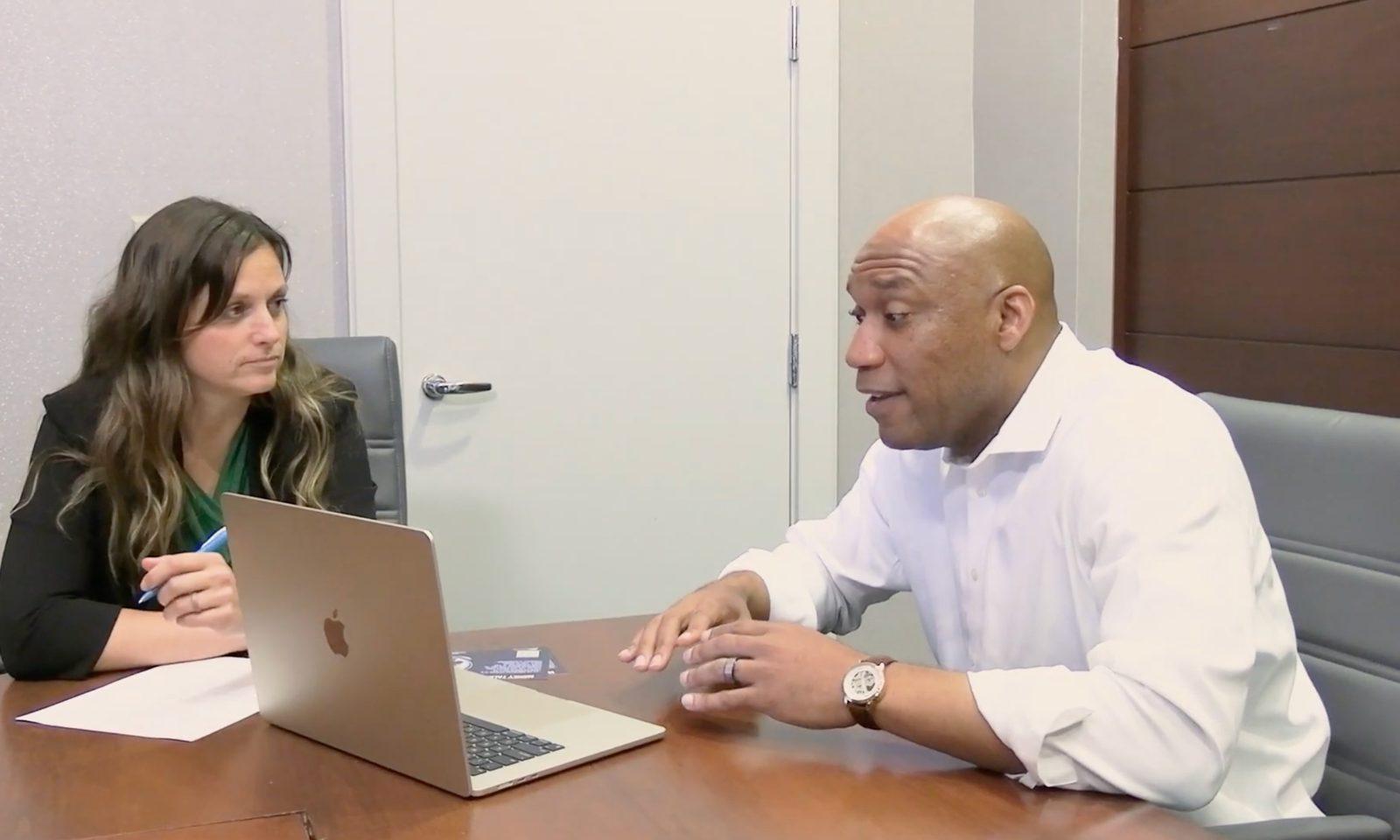
Antomius Wise: Making the Invisible Visible Through Leadership, Governance, and Strategic Philanthropy
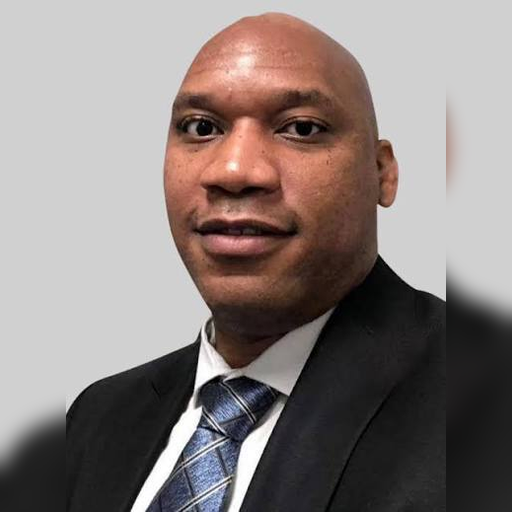
Success is often measured through visible achievements: financial growth, professional recognition, organizational expansion, and the ability to influence others. However, beneath these accomplishments lies another dimension that frequently determines whether success can be sustained over time. It is the structure behind the achievement.
For Antomius Wise, the conversation about leadership and long-term success begins with understanding these underlying structures. His work explores how governance, economic systems, institutional thinking, and strategic philanthropy influence the decisions that shape individuals, organizations, and communities.
His central philosophy is straightforward: many high-performing individuals and organizations do not necessarily lack ambition, resources, or expertise. Instead, they may lack structural clarity about the systems supporting their success.
Understanding the Structures Behind Success
In competitive professional environments, people often concentrate on immediate objectives, such as increasing revenue, expanding operations, strengthening leadership, or improving organizational performance. Although these priorities are important, focusing exclusively on outcomes can leave significant structural questions unanswered.
How are decisions made? Are responsibilities clearly defined? Do incentives support the organization's long-term objectives? Are governance practices aligned with its mission? Can today's achievements create sustainable value for future generations?
These questions form an important part of Antomius Wise's approach to institutional systems thinking.
Rather than concentrating exclusively on surface-level challenges, he encourages leaders to examine the architecture beneath their decisions. This perspective helps organizations recognize potential blind spots, understand the relationship between different systems, and approach complex challenges with greater clarity.
The objective is not simply to find another solution to an existing problem. It is to understand why the problem exists and whether the underlying structure needs to change.
A Distinctive Perspective Shaped by Diverse Experiences
Antomius Wise brings together professional experiences from different high-performance environments, including professional athletics, federal service, and business education.
As a former NFL athlete, he gained firsthand exposure to environments where preparation, discipline, performance, and institutional structures play essential roles. Professional sports also provide an important perspective on how economic arrangements and organizational decisions influence individual opportunities and outcomes.
His experience as a former U.S. Secret Service Special Agent added another dimension to this understanding. Working within a federal institution provided exposure to governance, accountability, compliance, organizational authority, and the importance of operating within established systems.
Combined with his MBA education, these experiences helped develop a broader perspective on organizational architecture, economic structures, and institutional decision-making.
Today, as the founder of WPSM.org and an executive education strategist, Antomius brings these perspectives into conversations with business leaders, wealth advisors, philanthropic organizations, and institutional audiences.
His professional background allows him to approach leadership from a systems-oriented perspective rather than relying exclusively on conventional motivational messages.
Why Governance and Institutional Thinking Matter
Leadership is frequently associated with vision, communication, and the ability to inspire people. However, effective leadership also requires an understanding of governance.
Governance establishes how decisions are made, how responsibilities are distributed, how accountability is maintained, and how an organization protects its long-term interests.
Without clear governance structures, even successful organizations can encounter challenges as they grow. Decision-making may become inconsistent, incentives may become misaligned, and individual priorities may begin competing with institutional objectives.
Institutional thinking encourages leaders to look beyond immediate results and consider how their decisions influence the organization over time.
For founders, executives, family offices, and professional networks, this perspective can be particularly valuable. Building something sustainable requires more than achieving short-term milestones. It requires structures capable of supporting continuity, accountability, and responsible decision-making.
Through his executive education programs and private briefings, Antomius Wise explores these concepts and encourages participants to examine the systems influencing their organizations.
Strategic Philanthropy: Moving Beyond Traditional Giving
Another important dimension of Antomius Wise's work is strategic philanthropy.
Philanthropy is commonly understood as the act of donating resources to support charitable causes. While financial contributions remain important, a broader perspective considers how philanthropic resources, organizational structures, governance, and long-term planning can work together to create lasting impact.
Strategic philanthropy asks a deeper question: How can resources be structured and directed to produce meaningful, sustainable economic and community outcomes?
This requires examining the relationship between charitable intentions and institutional execution.
Donors, founders, philanthropic leaders, and high-capacity individuals must consider whether their giving strategies align with their broader objectives. They must also understand the importance of governance, organizational accountability, and the long-term sustainability of the initiatives they support.
Antomius Wise approaches strategic philanthropy as an educational conversation about systems, structures, and impact rather than simply encouraging charitable contributions.
This perspective is particularly relevant for individuals and organizations interested in building a legacy that extends beyond immediate financial assistance.
Executive Education Designed for Meaningful Conversations
One of the distinguishing aspects of Antomius Wise's professional work is his focus on executive education and institutional speaking.
His programs address subjects such as strategic philanthropy, economic systems, governance discipline, leadership inside complex systems, incentive alignment, and long-term institutional impact.
His signature keynote, Make the Invisible Visible, explores how structures, incentives, governance, and economic systems influence value creation and organizational growth.
He also delivers educational programs examining strategic philanthropy and economic impact, as well as leadership and decision-making in complex environments.
Beyond traditional speaking engagements, his private executive briefings provide an opportunity for smaller groups of senior professionals to explore complex subjects in a more focused setting.
These conversations are designed for executive leadership teams, wealth advisor networks, philanthropic leaders, professional associations, and institutional decision-makers.
The briefings are tailored to the audience, with an emphasis on discretion, practical understanding, and educational value. They are designed to complement existing professional relationships rather than replace legal, tax, investment, or fiduciary guidance.
This approach makes the discussions relevant to organizations that need thoughtful conversations about governance and long-term planning without turning educational sessions into sales presentations.
Connecting Leadership, Capital, and Long-Term Impact
The relationship between leadership, capital, and institutional structures becomes particularly important when organizations begin thinking about their future.
A business may experience rapid growth, but its long-term stability depends on the quality of its leadership and governance. A philanthropic initiative may attract significant financial support, but its lasting impact depends on its organizational structure and ability to remain effective. A family may accumulate substantial wealth, but preserving a meaningful legacy requires thoughtful planning and an understanding of the systems involved.
These examples demonstrate why structural clarity matters across different professional environments.
Antomius Wise brings these interconnected subjects into one educational framework, encouraging leaders to recognize that individual decisions rarely exist in isolation. They are influenced by economic arrangements, institutional responsibilities, governance practices, and the incentives surrounding them.
By understanding these connections, decision-makers can ask better questions, evaluate opportunities more carefully, and approach long-term objectives with a broader perspective.
Looking Beyond Visible Achievements
Sustainable success requires more than ambition and resources. It requires an understanding of the systems that support progress and determine what happens next.
Through his experiences as a former NFL athlete, former U.S. Secret Service Special Agent, MBA graduate, and founder of WPSM.org, Antomius Wise brings a distinctive perspective to conversations about leadership, governance, strategic philanthropy, and institutional thinking.
His work challenges executives, advisors, founders, and philanthropic leaders to look beyond visible achievements and examine the structures influencing their decisions.
Ultimately, making the invisible visible means developing a deeper understanding of what drives outcomes, where potential blind spots exist, and how today's decisions influence tomorrow's opportunities.
For leaders committed to building stronger institutions, creating meaningful impact, and developing a lasting legacy, that understanding can become an essential part of the journey.


