


Why Tiny House Regulations Matter When Buying A Tiny Home For Sale
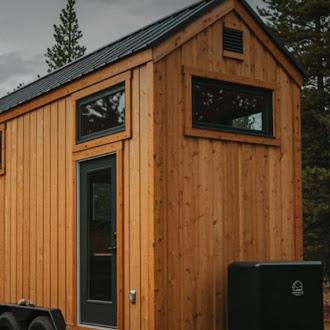
Look, tiny house regulations might feel like unnecessary red tape. But ignore them at your own risk. They’re not just annoying paperwork—they actually control where and how you can live. Most folks think they can just park a tiny home anywhere. Nope. Cities, towns, and counties all have rules. Some require a minimum home size. That’s right, your 200-square-foot dream might be illegal. Then there’s the difference between a tiny home on wheels versus a foundation. Totally different rules. It’s confusing, annoying, and sometimes feels like they’re out to get you—but it’s real.
Zoning Rules Can Kill Your Tiny Home Dream
Zoning is the biggest headache. Every city, every county has its own set of rules. Some welcome tiny homes and even have communities for them. Others don’t allow anything under 500 square feet. And you can’t just assume the county matches the city rules—sometimes they conflict. If you’re looking at a tiny home for sale, check zoning first. Call the office. Drive around. Ask questions. It’s tedious, but skipping this step is a fast track to regret.
Tiny Homes on Wheels Aren’t Free Spirits
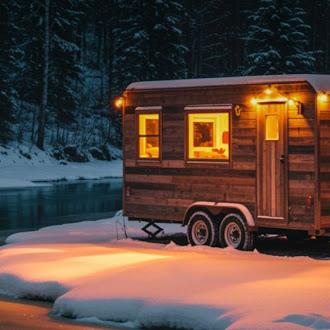
Rolling your tiny house sounds awesome, right? Freedom, mobility, adventure. But reality check: tiny homes on wheels often get treated like RVs. You can’t just park them anywhere. Some cities allow it, some don’t. Insurance, registration, even the road laws matter. And living in an RV year-round? Some states ban it. So if you buy a tiny home for sale on wheels, you better know where you’ll legally stay. Or get ready for fines.
Permits, Codes, and Bureaucracy Hell
Building or placing a tiny home isn’t just throwing up walls. You need permits. Plumbing, electrical, inspections, the works. Codes exist to keep things safe, but they can feel like punishment. Some states have tiny-house-friendly codes, but many don’t. And skipping permits? Sure, it saves time. But it can blow up in your face with fines, insurance issues, or even being forced to tear it down. If you want a tiny home for sale and hope to live there legally, brace yourself.
Affordable Housing… Until Rules Hit
Tiny homes are marketed as cheap, easy housing. And yeah, they can be. But tiny house regulations can make things expensive fast. Land, hookups, permits, inspections… suddenly your “budget tiny home” is costing more than a small regular house. Buying a tiny home for sale cheap is only half the battle—you have to factor in all the legal stuff too. It’s frustrating, but ignoring it is worse.
Real-Life Tiny Home Horror Stories
I’ve talked to people who jumped into tiny homes thinking it was simple. One guy bought a tiny home for sale and parked it on family land—bam, cease-and-desist from the city. Another spent six months just trying to get electricity hooked up legally. And then you’ve got the lucky few who found tiny-home-friendly towns and sailed through. Big difference? Knowledge. Prep. Doing the boring homework nobody wants to do.
Before You Buy a Tiny Home for Sale
Check the laws first. Call the zoning office, read building codes, know what’s allowed on foundations vs wheels. Figure out land next. Some tiny homes come ready-to-move, but do you even have a place to put it? Inspections? Plan for them. And never assume every tiny home for sale is code-compliant. Ask. Ask again. Don’t just trust it. Trust me on this—cutting corners here bites you later.
Conclusion
Tiny houses are growing in popularity, but the rules aren’t going anywhere. They can feel unfair, overbearing, stupid even. But they’re real, and they matter. The difference between a tiny home for sale that’s fun and legal and one that becomes a nightmare is knowing the rules. Do your homework. Be patient. Respect the laws. Tiny living can be amazing—but only if you don’t ignore reality.

 English
 Arabic
 French
 Spanish
 Portuguese
 Turkish
 Dutch
Dutch
 Italiano
 Russian
 Romaian
 Portuguese (Brazil)
 Greek
Greek