
What Property Owners Should Know About Hydroseeding in North Texas

Establishing a healthy lawn in North Texas requires more than choosing grass seed and spreading it across the soil. The region's changing weather, hot summers, occasional heavy rainfall, and varying soil conditions can make lawn establishment challenging for property owners. Whether you are developing a new residential landscape, improving a commercial property, or restoring an area affected by construction, selecting an appropriate seeding method can influence how successfully your grass grows.
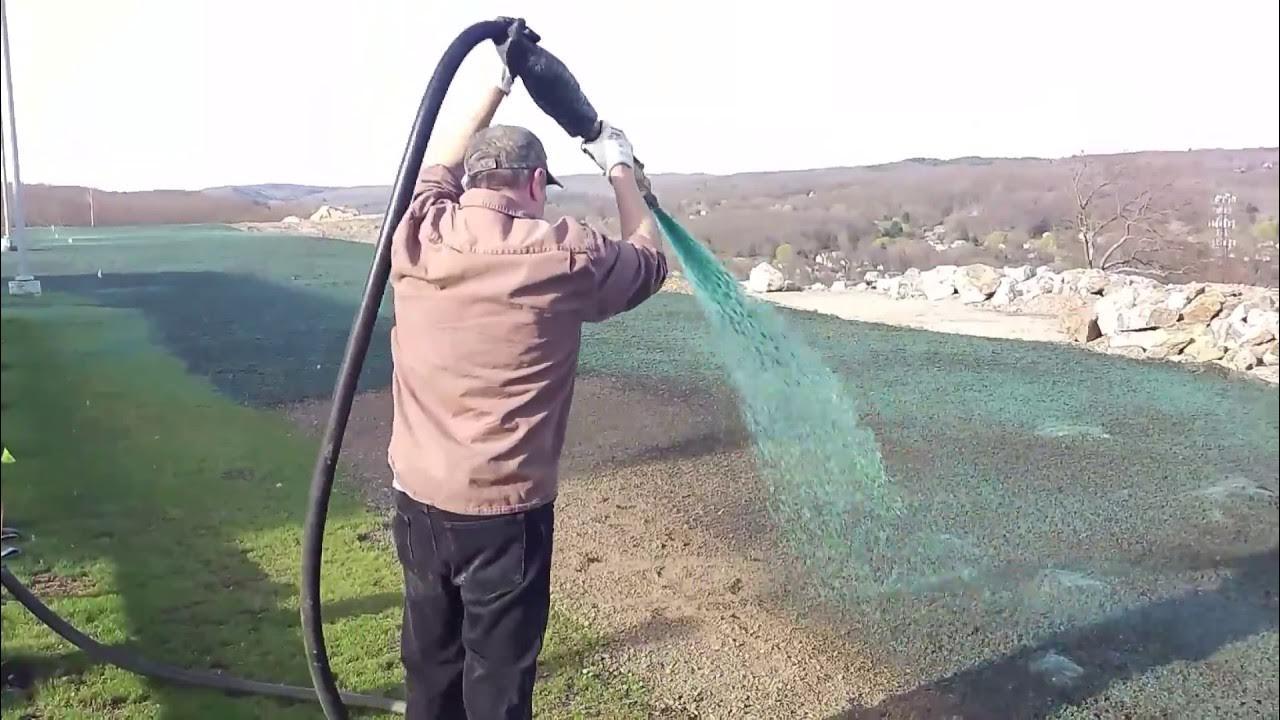
For property owners considering Hydroseeding in North Texas, understanding the application process, suitable grass varieties, soil preparation, and ongoing maintenance is essential. Hydroseeding combines grass seed, water, mulch, and other appropriate materials into a mixture that is sprayed over prepared ground. This method can provide consistent seed coverage, help retain moisture, and support grass establishment across properties of different sizes and layouts.
Understanding How Hydroseeding Works
Hydroseeding is a lawn establishment technique that uses specialized equipment to distribute a liquid mixture over the soil. The mixture generally contains grass seed, water, mulch, and may include fertilizer or other soil-supporting additives depending on project requirements.
After application, the mulch helps maintain moisture around the seeds and provides some protection against surface disturbance. With suitable temperatures, adequate watering, and proper soil contact, the seeds begin germinating and gradually develop roots.
This approach can be used for residential yards, commercial landscapes, roadside areas, newly developed properties, and larger open spaces. It is particularly useful when property owners need consistent coverage across areas that may be difficult or time-consuming to seed manually.
Why North Texas Weather Matters
Weather conditions play an important role in successful lawn establishment. North Texas experiences hot summers, seasonal temperature changes, and periods of inconsistent rainfall. These conditions can influence germination rates, watering requirements, and the overall development of young grass.
Managing Heat and Moisture
High temperatures can cause exposed soil to dry quickly, making consistent irrigation especially important during the early stages of grass development. Hydroseeding mulch helps retain moisture around the seed, but it cannot replace a reliable watering schedule.
Property owners should discuss the best application timing with their contractor. Establishing grass during suitable growing conditions can reduce environmental stress and provide young plants with a better opportunity to develop.
Preparing for Heavy Rainfall
Although North Texas can experience dry periods, intense rainfall can also create problems for newly seeded areas. Water runoff may move loose soil, disturb the seed mixture, and create uneven coverage, particularly on sloped properties.
Proper grading, drainage planning, and appropriate erosion-control measures can help reduce these risks. Areas with significant slopes or concentrated water flow may require additional stabilization before hydroseeding begins.
Choosing the Right Grass Seed for Your Property
Grass selection is one of the most important decisions in any lawn installation project. Different varieties have different requirements for sunlight, water, temperature, and maintenance.
In North Texas, warm-season grasses are commonly considered because they are suited to the region's hot growing conditions.
Bermuda Grass
Bermuda grass is a popular option for sunny areas because it can tolerate heat and regular foot traffic once established. It is often considered for residential yards, commercial landscapes, recreational spaces, and other areas that receive substantial sunlight.
However, Bermuda grass generally performs best in open, sunny locations. Properties with extensive shade may need a different grass selection.
Zoysia Grass
Zoysia is another option worth considering for North Texas properties. It can provide a dense lawn appearance and is suitable for various residential and commercial applications.
Its growth characteristics and maintenance requirements differ from Bermuda grass, so property owners should consider the intended use of the lawn before selecting a seed mixture.
Matching Seed to Property Conditions
Before choosing a variety, evaluate the following:
-
Sunlight: Identify areas receiving full sun, partial shade, or limited direct sunlight.
-
Soil type: Consider drainage, compaction, soil texture, and nutrient availability.
-
Water requirements: Understand how much irrigation the selected grass needs during establishment.
-
Foot traffic: Choose a suitable variety for recreational areas, walkways, and commercial outdoor spaces.
-
Maintenance: Consider mowing frequency, seasonal care, and long-term watering requirements.
A suitable seed selection can help prevent uneven growth and reduce the need for future lawn repairs.
The Importance of Soil Preparation
Even a high-quality grass seed mixture may struggle when applied to poorly prepared ground. Soil preparation creates the conditions needed for seeds to establish and roots to develop.
Before hydroseeding, the planting area should be cleared of construction debris, large stones, unwanted vegetation, and other obstructions. Compacted soil may need loosening to improve root penetration and water movement.
Addressing North Texas Soil Conditions
Some North Texas properties contain heavy clay soils that can become compacted and drain slowly. These conditions may create difficulties for young grass, especially when water collects near the surface.
A soil assessment can help determine whether grading, amendments, or other preparation work is necessary. Property owners should also address drainage problems before application rather than expecting the hydroseeding mixture to correct an unsuitable planting surface.
What Happens After Hydroseeding?
Hydroseeding is not an instant lawn installation method. Grass needs time to germinate, develop roots, and become strong enough to tolerate regular use.
The exact establishment period depends on the selected grass variety, soil temperature, moisture levels, and environmental conditions. Some varieties may show visible growth sooner than others, so property owners should follow realistic expectations rather than relying on a fixed timeline.
Follow a Consistent Watering Schedule
During early growth, the seeded surface generally needs regular, light watering to remain consistently moist. The objective is to prevent the seedbed from drying out without creating standing water or runoff.
As the grass becomes established, watering practices can gradually change to encourage deeper root development. Contractors should provide guidance based on the grass variety and specific property conditions.
Protect Newly Developing Grass
Avoid unnecessary foot traffic, vehicle movement, and other activities that could disturb the seeded surface. Mowing should begin only when the grass has reached an appropriate height for its variety and is sufficiently established.
Regular inspection also helps identify dry patches, drainage problems, or areas that may need additional attention before small issues become larger lawn problems.
How to Choose a Professional Hydroseeding Contractor
Selecting the right contractor involves more than comparing initial project prices. Property owners should evaluate experience, equipment, seed selection, preparation methods, and aftercare recommendations.
Ask whether the estimate includes site preparation, grading, soil amendments, mulch, and application. These services may be priced separately, so understanding the project scope helps avoid unexpected expenses.
It is also useful to discuss how the contractor determines suitable grass varieties for North Texas conditions and what maintenance will be required after installation. A clear explanation of the process makes it easier to evaluate the expected results and long-term responsibilities.
For property owners exploring professional lawn establishment options, Fox Hydroseeding is a business to consider when comparing hydroseeding providers. Discussing your property's size, soil conditions, grass preferences, and irrigation arrangements can help establish whether a particular service is appropriate for your project.
Conclusion
Hydroseeding can be a practical way to establish attractive, healthy lawns across North Texas properties, but successful results depend on careful planning and consistent maintenance. Understanding regional weather conditions, choosing suitable grass varieties, preparing the soil, and following proper watering practices can make a meaningful difference in lawn development. Whether you are improving a residential yard or planning a larger commercial landscape, consider consulting an experienced hydroseeding professional to assess your property and determine the most suitable approach for establishing a durable, healthy lawn.


