


The Art of Cooking Perfect Carne at Home: Expert Italian Techniques
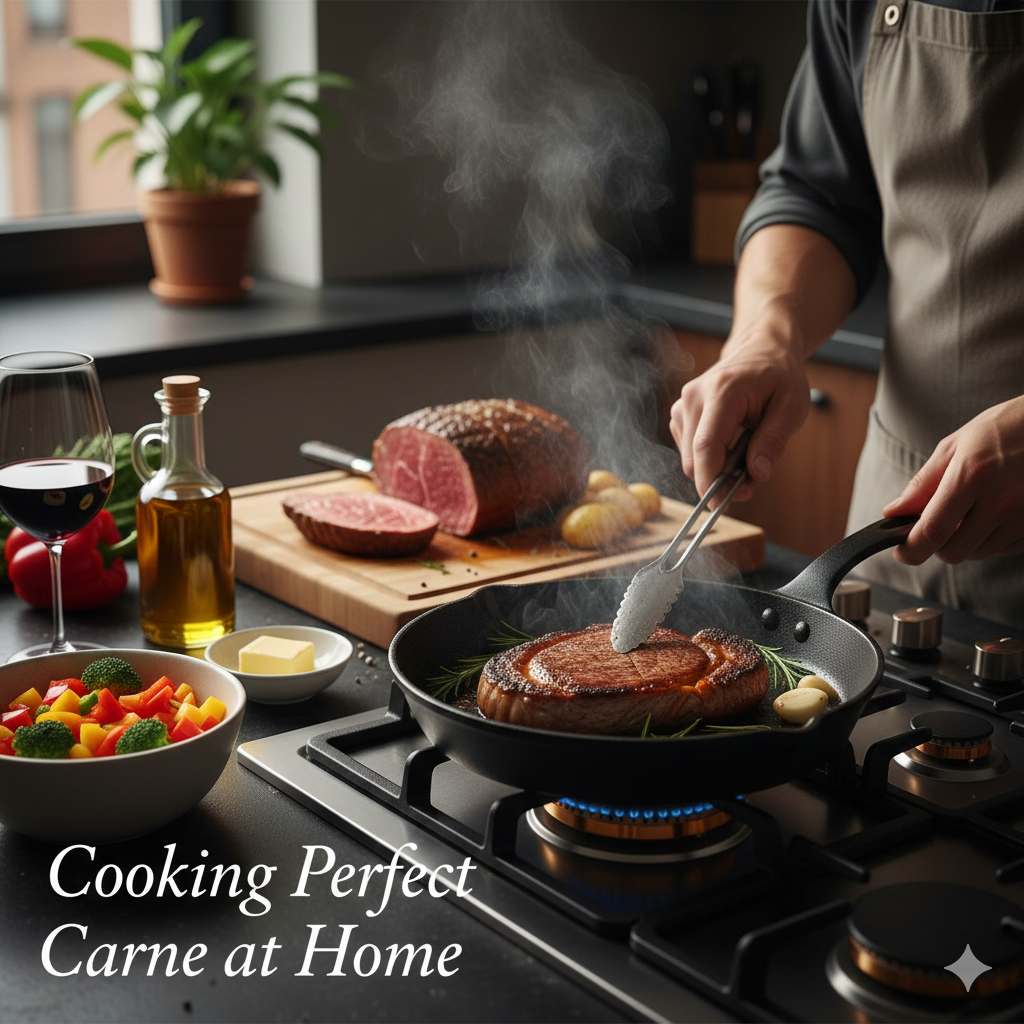
Cooking authentic Italian carne dishes at home requires understanding fundamental principles that Italian chefs have perfected over centuries. The secret lies not in complicated techniques but in respecting quality ingredients, proper timing, and traditional methods that honor the meat's natural character.
Italian meat cooking emphasizes simplicity over complexity, where restraint creates excellence. Whether preparing tender veal scaloppine or robust braised beef, mastering these foundational skills transforms home kitchens into Italian trattorias producing restaurant-quality results.
What Are the Essential Techniques for Perfect Carne?
The foundation of any great Italian meat dish is the quality of the meat itself, with different cuts offering unique flavors and textures suitable for various preparations. Understanding which cut to choose represents the crucial first step in achieving authentic Italian flavors at home.
Italian cooking is characterized by its use of fresh, high-quality ingredients, where meat must be of the best quality you can find. Ideally sourced from trusted butchers who understand the importance of freshness and proper aging.
Understanding Meat Selection
Choose cuts appropriate for your intended cooking method—tender cuts like tenderloin work beautifully for quick sautéing, while tougher cuts like chuck excel in slow braises. Each cut possesses distinct characteristics determining optimal preparation approaches.
Look for meat with good marbling, as intramuscular fat melts during cooking, basting the meat from within and creating succulent texture. Avoid overly lean cuts for dishes requiring longer cooking times, which would become dry and tough.
Proper Preparation Methods
Preparation represents more than just a step in cooking; it's where the magic begins. Marinating, curing, and aging meat can transform its texture and flavor, with Italian cuisine making extensive use of these methods to deepen taste.
Always bring meat to room temperature before cooking, removing it from refrigeration 30-45 minutes beforehand. Cold meat dropped into hot pans cooks unevenly, with exteriors overcooking before interiors reach proper doneness.
Why Does the Soffritto Matter for Meat Dishes?
You cannot master Italian meat cooking without understanding soffritto—an aromatic base of sautéed diced carrots, celery, and onion forming the essential foundation for sauces, stews, and braises. This holy trinity creates depth that defines authentic Italian flavor profiles.
Cut base vegetables finely and sauté over controlled heat, stirring while browning and sweating to achieve deep, rich brown base that's sweet and full of umami. Ninety percent of Italian meat or seafood ragùs start with this crucial preparation.
Mastering the Technique
Take your time with soffritto preparation, never rushing the process by adding everything at once. Proper soffritto requires 10-15 minutes of patient cooking, allowing vegetables to caramelize and release their natural sugars.
You can toss in a whole clove of garlic to pack more flavor, removing it before serving. This technique infuses aromatic essence without overwhelming finished dishes with harsh, raw garlic bite.
What Cooking Methods Work Best for Italian Meat?
The method of cooking you choose can dramatically affect the outcome of your dish, with Italian cuisine employing techniques from grilling and roasting to braising and stewing. Each method has its place, depending on the type of meat and the dish being prepared.
Slow cooking is a revered method in Italian cooking, perfect for tenderizing tougher cuts while infusing them with robust flavors. Dishes like Osso Buco or slow-roasted pork shoulder benefit immensely from hours spent simmering at low temperatures.
High-Heat Grilling
Grilling creates characteristic char marks and caramelized exteriors defining Italian bistecca and lamb chops. High heat sears surfaces quickly, sealing in natural juices while developing complex flavors through Maillard reactions.
For proper grilling results, ensure your heat source reaches very high temperatures before adding meat. The surface should sizzle immediately upon contact, indicating sufficient heat for achieving golden-brown crust.
Patient Braising
Braising combines searing and slow cooking in liquid, transforming tough cuts into fork-tender delicacies. This technique requires initial browning followed by gentle simmering in wine, broth, or tomato sauce for 2-3 hours.
The meat needs to be cooked for at least 2 hours before braised dishes are ready to garnish and serve. This patient approach allows collagen to break down into gelatin, creating silky texture and concentrated flavors.
How Do Herbs and Spices Enhance Carne?
Herbs and spices are the soul of Italian cooking, bringing dishes to life and adding layers of flavor that make Italian cuisine so celebrated. Knowing how to pair herbs and spices with different types of meats can elevate your cooking from good to sublime.
Rosemary grows wild in the Italian countryside, which is why it has such a strong presence in Italian cuisine. Use this earthy, fragrant herb in grilled or roasted meats, poultry, and seafood for authentic Mediterranean character.
Classic Herb Combinations
Fresh sage pairs beautifully with veal and pork, its slightly peppery notes complementing delicate meats without overwhelming them. Bay leaves don't taste great on their own, but give heavy soups, stews, and sauces unique complexity as they steep.
Italian flat-leaf parsley adds fresh, herbaceous finish to completed dishes, brightening rich meat preparations with verdant notes. Always use fresh herbs when possible, as dried versions lack the vibrant character defining authentic Italian cooking.
What Role Do Sauces Play in Carne Dishes?
The right sauce can transform an Italian meat dish from ordinary to extraordinary, with preparations ranging from rich, slow-cooked ragùs to bright marinara. Understanding how to balance flavors within these sauces, and how they complement different meats, proves essential.
After removing meat from pan, deglaze with wine to capture flavorful fond stuck to the bottom. These caramelized bits contain concentrated taste that enriches sauces immeasurably, creating depth impossible to achieve otherwise.
Building Flavor Layers
Add wine and continue mixing until it evaporates, leaving behind only the wine's flavor while alcohol cooks off completely. This technique concentrates taste without sharp alcohol notes that would disrupt balance.
Add tomato passata and mix through meat and vegetables, covering each piece with sauce. Season generously with salt and pepper, adjusting throughout cooking as flavors develop and concentrate.
How Can I Achieve Restaurant-Quality Results?
Italian cuisine excels in the art of balancing flavors, creating harmonious dishes where meat, herbs, spices, and acidity from ingredients like tomatoes or wine work together seamlessly. Learning how to adjust these elements can turn good dishes into unforgettable ones.
Making sauces the day before and leaving them overnight can be game changers, with some dishes tasting better after cooling and reheating. As dishes cool and sit over time, different aromas compound and develop more seasoned notes.
Presentation Matters
In Italian cooking, how a dish looks is almost as important as how it tastes. Arrange components thoughtfully on warmed plates, allowing colors and textures to show prominently without fussy, overwrought styling.
Garnish simply with fresh herbs, lemon wedges, or good-quality olive oil drizzled at the last moment. These finishing touches signal care and attention that elevate home cooking to professional standards.
Where Can I Experience Authentic Carne Preparations?
While mastering home cooking proves rewarding, experiencing authentic Italian meat preparations at skilled restaurants provides valuable education. Observing professional techniques and tasting properly executed dishes teaches lessons difficult to learn from recipes alone.
An italian restaurant near covent garden offers opportunities to study traditional preparations firsthand. La ballerina covent garden exemplifies establishments where authentic techniques and quality ingredients create benchmark experiences worth recreating at home.
Why Does Quality Matter More Than Complexity?
Italian meat cooking demonstrates that sophistication doesn't require elaborate preparations or numerous ingredients. The restraint shows confidence in sourcing and technique, trusting that when ingredients shine individually, they need no elaborate methods hiding their natural qualities.
This philosophy extends beyond meat to supporting ingredients—extra virgin olive oil must be first-press, wines suitable for drinking, vegetables fresh from markets. Every element contributes meaningfully or gets eliminated entirely from preparation.
The beauty of cooking meat in Italy is in its variety, with the country famous for cured meats yet happy to eat meat and game in almost any way. Similarly, meat eating in Italy ranges from rustic to avant garde, with anything in between representing valid expressions of culinary tradition.

 English
 Arabic
 French
 Spanish
 Portuguese
 Deutsch
 Turkish
 Dutch
Dutch
 Italiano
 Russian
 Romaian
 Portuguese (Brazil)