


How Are Diagnostic Ultrasound Services Used to Detect Conditions Early?
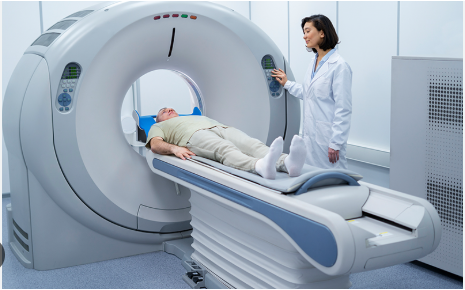
Early detection is one of the most powerful tools in modern healthcare. Identifying medical conditions before symptoms become severe can significantly improve treatment outcomes, reduce complications, and lower long-term healthcare costs. Among the many imaging technologies available today, diagnostic ultrasound services play a vital role in helping clinicians detect a wide range of conditions safely, efficiently, and accurately.
Ultrasound imaging has been used in medicine for decades, yet ongoing technological advancements have expanded its clinical applications far beyond pregnancy scans. From evaluating abdominal pain to assessing blood flow and musculoskeletal injuries, ultrasound is now a cornerstone of early diagnosis across multiple specialties.
This article explores how ultrasound works, why it is so effective for early detection, the conditions it commonly identifies, and how patients benefit from this widely trusted imaging modality.
Understanding How Diagnostic Ultrasound Works
Ultrasound imaging uses high-frequency sound waves transmitted into the body through a handheld transducer. These sound waves bounce off internal organs, tissues, and blood vessels, returning echoes that are converted into real-time images on a monitor.
Unlike X-rays or CT scans, ultrasound does not rely on ionizing radiation. This makes it particularly valuable for repeated imaging, pregnancy monitoring, and use in children or vulnerable populations. The real-time nature of ultrasound also allows clinicians to observe movement—such as blood flow, muscle motion, or fetal development—as it happens.
Because of these advantages, diagnostic ultrasound services are often chosen as a first-line imaging tool when early investigation is required.
Why Early Detection Matters in Medical Imaging
Early detection can be life-changing. According to the World Health Organization, early diagnosis significantly improves survival rates for conditions such as cancer, cardiovascular disease, and pregnancy-related complications. Imaging plays a critical role in this process by revealing abnormalities before clinical symptoms worsen.
Ultrasound enables clinicians to:
-
Identify structural changes in organs
-
Detect fluid accumulation or inflammation
-
Assess blood flow abnormalities
-
Monitor disease progression over time
The ability to visualize internal anatomy without invasive procedures allows healthcare providers to act quickly and with greater diagnostic confidence.
Common Conditions Detected Early with Ultrasound
One of the reasons ultrasound remains so widely used is its versatility. It supports early detection across many clinical areas:
Abdominal and Pelvic Conditions
Ultrasound can detect gallstones, liver disease, kidney stones, cysts, tumors, and fluid buildup. Early identification of these conditions helps prevent complications such as infections, organ damage, or emergency surgery.
Obstetric and Gynecological Care
Ultrasound is essential in monitoring early pregnancy, confirming fetal viability, identifying ectopic pregnancies, and detecting developmental abnormalities. Early diagnosis in obstetrics directly improves maternal and fetal outcomes.
Vascular Disorders
Doppler ultrasound evaluates blood flow in arteries and veins, helping detect clots, blockages, or venous insufficiency before they lead to stroke or deep vein thrombosis.
Musculoskeletal Injuries
Tendon tears, ligament injuries, soft tissue masses, and joint inflammation can be identified early, allowing timely treatment and rehabilitation.
In all these areas, diagnostic ultrasound services provide clinicians with actionable insights at an early stage of disease development.
The Role of Doppler and Advanced Ultrasound Techniques
Modern ultrasound technology goes beyond basic imaging. Doppler ultrasound measures the speed and direction of blood flow, making it invaluable for diagnosing vascular conditions, heart valve issues, and placental health during pregnancy.
High-resolution imaging and advanced software enhancements allow clearer visualization of small structures, improving the detection of subtle abnormalities. These advancements enhance diagnostic accuracy while maintaining the safety profile that ultrasound is known for.
As technology continues to evolve, diagnostic ultrasound services are becoming even more precise, expanding their role in preventive and early-stage care.
Patient Experience and Accessibility
From a patient perspective, ultrasound is one of the most comfortable imaging procedures available. Exams are typically quick, painless, and do not require recovery time. Most patients can return to normal activities immediately after the scan.
Preparation is minimal, though some exams may require fasting or a full bladder depending on the area being examined. Results are interpreted by qualified medical professionals, ensuring accuracy and reliability.
Because ultrasound equipment is widely available and cost-effective compared to other imaging modalities, diagnostic ultrasound services help improve access to early diagnosis, especially for patients who may face barriers to advanced imaging.
How Ultrasound Supports Preventive Healthcare
Preventive medicine focuses on identifying risks before disease progresses. Ultrasound supports this approach by enabling routine monitoring and follow-up imaging without exposing patients to radiation.
For individuals with chronic conditions, family history of disease, or unexplained symptoms, diagnostic ultrasound services allow clinicians to monitor changes over time and adjust care plans proactively. This contributes to better long-term health outcomes and reduces the likelihood of emergency interventions.
Clinical Trust, Accuracy, and Evidence
Ultrasound is supported by decades of clinical research and global medical guidelines. Studies published in peer-reviewed journals such as The Lancet and Radiology highlight ultrasound’s effectiveness in early disease detection, particularly in abdominal, obstetric, and vascular imaging.
Its reliability depends on skilled technologists, modern equipment, and expert interpretation—factors that collectively reinforce ultrasound’s role as a trusted diagnostic tool.
Conclusion: A Cornerstone of Early Detection
Early detection saves lives, and ultrasound remains one of the most effective tools to support this goal. Its safety, accuracy, affordability, and real-time imaging capabilities make it indispensable across many areas of medicine.
By enabling clinicians to identify abnormalities before symptoms escalate, ultrasound supports timely treatment, reduces patient anxiety, and improves overall healthcare outcomes. As technology advances and access continues to improve, diagnostic ultrasound services will remain a cornerstone of early diagnosis and patient-centered care.

 English
 French
 Spanish
 Portuguese
 Deutsch
 Turkish
 Dutch
Dutch
 Italiano
 Russian
 Romaian
 Portuguese (Brazil)
 Greek
Greek