


The Evolution of Modern Movie Production Companies
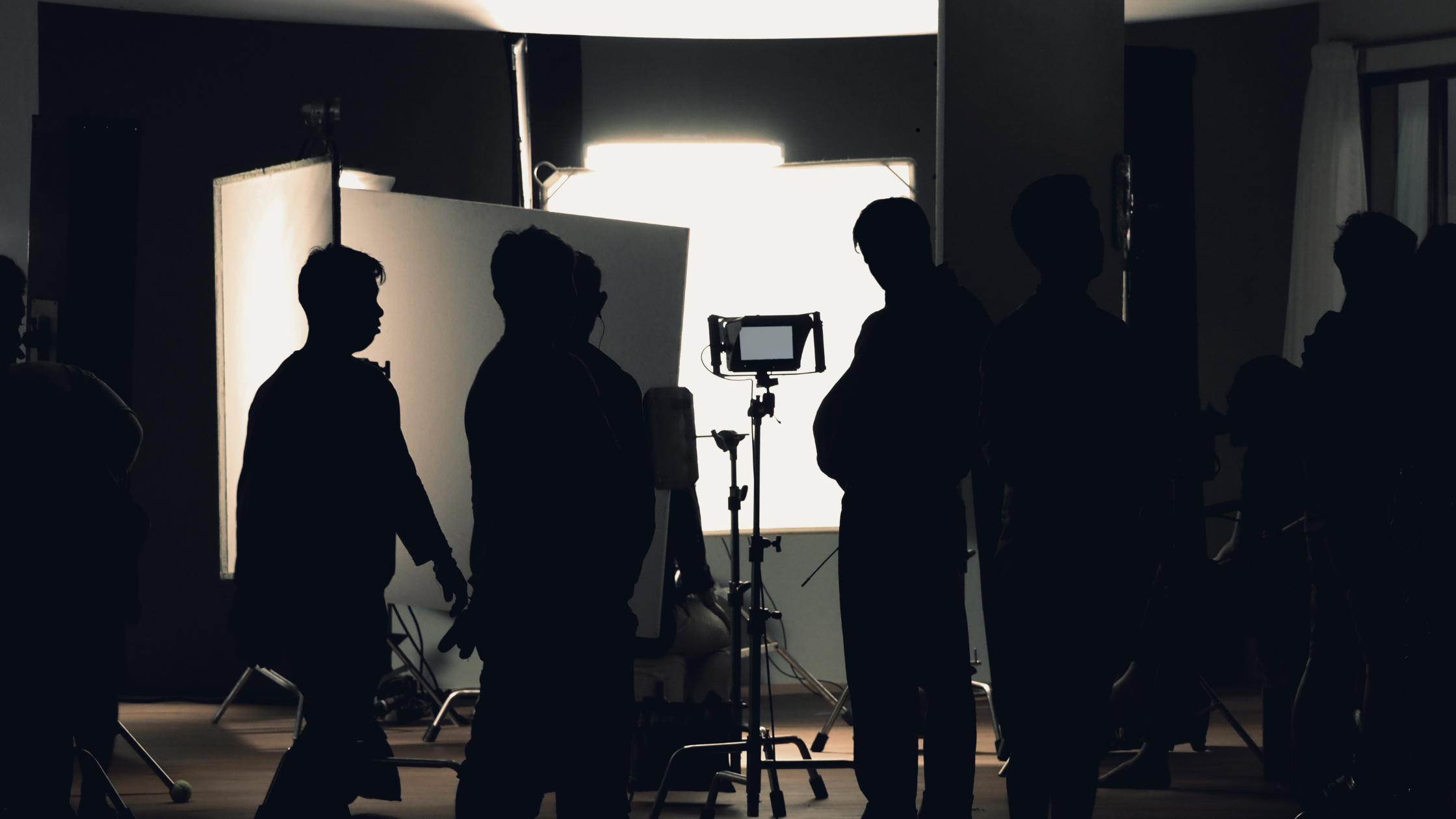
The movie industry has transformed dramatically over the last century, and at the heart of this transformation are movie production companies. Once defined by large studio lots, controlled talent systems, and traditional filmmaking methods, today’s production companies operate in a world shaped by technology, diverse storytelling, and global distribution models. The evolution has not only changed how films are made but also how they are consumed, marketed, and monetized.
1. The Early Studio Era: Foundations of Filmmaking
In the early 20th century, Hollywood’s “Golden Age” gave birth to legendary production houses such as MGM, Paramount, and Warner Bros. These companies operated under the studio system, where everything—from actors and directors to writers and technicians—was kept in-house. Production companies held full creative and financial control, producing films in assembly-line fashion to meet growing audience demand.
Movies were largely shot on studio lots using practical sets, with limited special effects. Audiences flocked to theatres, and production companies focused almost entirely on theatrical distribution. Despite technological limitations, this era shaped the standard workflows, hierarchies, and production roles still seen today.
2. The Rise of Independent Filmmaking
By the mid-20th century, changes in labor laws, talent contracts, and creative desire for freedom led to the decline of the studio system. Independent filmmakers began developing stories outside traditional Hollywood formulas, giving rise to production companies focused on originality and experimentation.
Indie movie production companies embraced:
-
Smaller budgets
-
Non-traditional storytelling
-
New themes and voices
-
Artistic risk-taking
This shift opened doors for diverse creators and set the stage for future global filmmaking movements.
3. Digital Revolution: Technology Changes Everything
The 1990s and early 2000s marked one of the biggest leaps in filmmaking—the digital revolution. Production companies rapidly transitioned from film reels to digital cameras, editing suites, and CGI-based workflows.
Key changes in this era:
-
Digital cinematography reduced production costs and increased flexibility.
-
VFX and CGI transformed action, fantasy, and sci-fi filmmaking.
-
Non-linear editing software made post-production faster and more efficient.
-
Sound design and color grading software enhanced the creative process.
Production companies no longer needed massive budgets or physical infrastructure to create high-quality films. This democratization empowered smaller studios and independent creators to compete on a much larger scale.
4. The Streaming Era: A New Distribution Powerhouse
The 2010s introduced the most disruptive change: streaming platforms. Companies like Netflix, Amazon Studios, Disney+, and Apple TV+ reshaped the entertainment landscape, providing global distribution at the click of a button.
How streaming changed production companies:
-
Demand for content skyrocketed, leading to more opportunities for production houses.
-
The traditional theatrical release model shifted to hybrid or streaming-first releases.
-
Production companies now create series, documentaries, shorts, and OTT-specific content.
-
Global audiences became reachable without expensive distribution networks.
Streaming also shifted creative control. Platforms began producing their own original films, directly competing with long-established studios.
5. Virtual Production & AI: The Future Arrives
Today’s movie production companies are embracing cutting-edge technologies like virtual production, LED volume stages, AI-enhanced workflows, and real-time rendering engines.
Transformative tools include:
-
Unreal Engine for real-time environments
-
LED walls / virtual sets used in productions like The Mandalorian
-
AI-based editing, VFX cleanup, and script analysis tools
-
Cloud-based collaboration for remote teams
These innovations allow filmmakers to create worlds that were once impossible or prohibitively expensive. Production becomes faster, greener, and more cost-effective.
6. Globalization and Diversity in Storytelling
Modern production companies operate on a global canvas. Bollywood, Korean cinema, Nollywood, European studios, and Middle Eastern filmmakers all contribute to a vibrant international film industry.
Increasingly, production companies focus on:
-
Multi-language productions
-
Cross-border collaborations
-
Diverse casts and crews
-
Culturally rich narratives
This inclusive evolution reflects the global audience’s appetite for authentic, varied, and emotionally resonant stories.
7. The Modern Production Company: A Multi-Platform Creative Hub
Today’s movie production companies are no longer limited to making films alone. They create:
-
Feature films
-
Web series
-
Commercials
-
Music videos
-
Corporate films
-
Social media content
-
Branded entertainment
They operate like creative ecosystems offering full-service solutions—script development, casting, filming, post-production, marketing, and distribution.
Small and mid-sized companies are thriving by being flexible, innovative, and niche-focused, often outperforming larger studios in specific genres or platforms.
Conclusion: A Continuously Evolving Industry
The evolution of movie production company mirrors the evolution of storytelling itself. From classic studio filmmaking to AI-powered virtual production, the industry continues to innovate while staying rooted in the core mission: bringing stories to life.
As audience preferences shift and technology advances, production companies must keep adapting. One thing, however, remains unchanged—great storytelling will always be at the heart of cinema, no matter how much the industry evolves.

 English
 French
 Spanish
 Portuguese
 Deutsch
 Turkish
 Dutch
Dutch
 Italiano
 Russian
 Romaian
 Portuguese (Brazil)
 Greek
Greek