
Masonic Hats: Tradition, Symbolism, Style, and Craftsmanship

Masonic hats are distinctive accessories associated with Freemasonry, a fraternal organization known for its traditions, ceremonies, symbolic teachings, and commitment to personal development. These hats have a special place in Masonic culture because they can represent leadership, experience, dignity, and participation in particular Masonic offices or ceremonies. Although their designs vary between jurisdictions, lodges, and Masonic bodies, they remain recognizable elements of traditional Masonic dress.
For Freemasons, clothing can carry meaning beyond appearance. Certain garments and accessories help establish a formal atmosphere during lodge meetings, public events, installations, and ceremonial occasions. Masonic hats are among the accessories that contribute to this distinctive appearance. They may feature simple, elegant designs or more elaborate decorations, depending on the wearer's role and the customs of the organization.
Today, Masonic hats are appreciated for their historical significance, traditional craftsmanship, and practical use at formal gatherings. Whether someone is looking for a hat for personal membership, ceremonial wear, a special event, or a collection of fraternal memorabilia, understanding the different styles and their purposes can help them make an informed choice.
The Historical Background of Masonic Hats
Freemasonry developed over several centuries, drawing on the traditions of stonemasons' guilds and the development of organized fraternal lodges. As the organization evolved, formal clothing and ceremonial accessories became part of its public identity. The clothing worn by members differed according to location, historical period, and the particular Masonic body involved.
Headwear became significant in some Masonic traditions because hats and caps were already associated with social position, professional identity, and ceremonial authority in wider society. Within certain Masonic settings, particular styles of headwear gradually became associated with specific offices, degrees, or established customs.
One example is the Masonic cap worn by members of some appendant bodies, while certain traditions use distinctive hats for particular officers or ceremonial functions. The Scottish Rite, for instance, has recognizable headwear traditions in some jurisdictions. Other Masonic organizations have their own approaches to formal attire.
It is important to understand that there is no single hat worn by every Freemason worldwide. Rules differ between grand lodges, rites, and other Masonic organizations. A style that is customary in one jurisdiction may not be used in another. This variety reflects the diverse history and organizational structure of Freemasonry.
The Symbolism Behind Masonic Hats
Masonic hats can carry symbolic meaning depending on the tradition in which they are worn. Their significance may relate to responsibility, experience, ceremonial participation, or the dignity of a particular office. For members, wearing the appropriate headwear can be a way of respecting established customs and demonstrating belonging to a particular Masonic community.
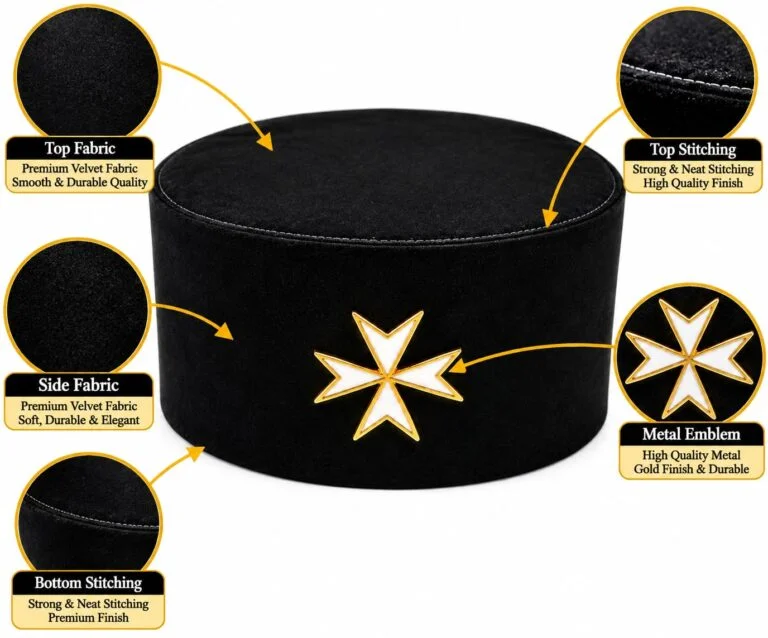
Some hats feature emblems, embroidered symbols, decorative bands, or other identifying details. These elements may communicate an association with a specific rite, lodge, office, or Masonic body. Their meaning should be understood in the context of the organization that authorizes their use.
The symbolic value of a Masonic hat does not come exclusively from its physical design. It also comes from the traditions, expectations, and shared experiences of the members who wear it. For many Freemasons, ceremonial clothing serves as a reminder of the responsibilities connected with membership and the importance of conducting oneself with integrity.
Because symbols and dress codes vary, buyers should verify the meaning of particular decorations before purchasing a hat intended for official use. This helps ensure that the chosen accessory is appropriate for the intended ceremony or organization.
Popular Types of Masonic Hats
Masonic headwear comes in several forms, ranging from understated caps to distinctive ceremonial designs. Each type has its own appearance and may serve a different purpose.
Masonic Caps
Masonic caps are among the more recognizable forms of headwear associated with certain Masonic bodies. They often have a rounded or slightly structured shape and may include embroidery, a decorative band, or an organizational emblem.
The materials can vary from lightweight fabric to velvet or other more substantial textiles. Some caps are designed for regular ceremonial use, while others are intended for formal occasions. Their relatively compact shape makes them easy to store and transport.
When choosing a Masonic cap, buyers should pay attention to the organization's dress requirements, the quality of the stitching, and the comfort of the inner lining.
Scottish Rite Hats
Scottish Rite headwear varies according to jurisdiction, degree, and organizational custom. Certain Scottish Rite bodies use distinctive caps or hats as part of their formal attire. These designs may feature specific colors, emblems, or decorative elements associated with the relevant body.
Not every Scottish Rite member wears the same style, and requirements should be confirmed with the appropriate local organization. Members who need headwear for an official event should follow the applicable dress code rather than relying solely on photographs or general product descriptions.
Ceremonial Masonic Hats
Some Masonic officers or specialized bodies may use ceremonial hats that have a more formal or elaborate appearance. These hats can include decorative trim, embroidered details, structured crowns, or other traditional features.
Their purpose is often connected to a specific ceremony or office. The style may therefore be less suitable for general use outside the setting for which it was designed.
Before buying ceremonial headwear, it is advisable to confirm whether a particular design is approved for the intended role. Doing so helps maintain consistency with the organization's traditions.
Vintage Masonic Hats
Vintage Masonic hats appeal to collectors, historians, and members interested in the material culture of Freemasonry. Older pieces may feature traditional construction methods, period-specific decorations, or designs that are no longer commonly produced.
The value of a vintage hat depends on several factors, including its age, condition, rarity, provenance, and historical relevance. A hat with documented ownership or a clear connection to a particular period may be especially interesting to collectors.
However, age alone does not establish authenticity or monetary value. Anyone considering a significant purchase should inspect the item carefully and request supporting information whenever possible.
Materials Used in Masonic Hats
The material of a Masonic hat influences its appearance, comfort, durability, and suitability for different occasions. Manufacturers use a variety of fabrics and construction methods to accommodate different preferences and budgets.
Velvet
Velvet is often associated with formal and decorative headwear because of its soft texture and rich appearance. It can provide a refined finish that suits ceremonial clothing.
Velvet hats require careful maintenance because the fabric can collect dust and may be damaged by excessive moisture or improper cleaning. Gentle storage and appropriate fabric care can help preserve their appearance.
Wool and Felt
Wool and felt are useful materials for structured hats because they can maintain their shape and provide a traditional finish. Depending on the construction, they may be suitable for cooler environments and formal settings.
The quality of the material, the density of the felt, and the construction of the crown and brim can all influence durability. Buyers should also consider how easily the hat can be maintained.
Cotton and Blended Fabrics
Cotton and blended fabrics are commonly used for lightweight caps. They can offer comfort and breathability, particularly during extended gatherings or events in warmer conditions.
These materials may be easier to clean than delicate decorative fabrics, although care instructions differ by product. Checking the label before washing is essential to prevent shrinking, color fading, or damage to embroidered details.
Decorative Embroidery and Trim
Embroidered emblems, metallic thread, piping, and decorative bands can give Masonic hats their distinctive appearance. These details may also identify a particular organization or ceremonial tradition.
Good-quality embroidery should be secure, cleanly finished, and proportionate to the overall design. Decorative trim should be firmly attached without making the hat uncomfortable or difficult to maintain.
How to Choose the Right Masonic Hat
Selecting a Masonic hat involves more than choosing an attractive design. The right option should fit the wearer comfortably, meet the relevant dress requirements, and offer suitable construction for its intended use.
The first consideration is the purpose of the hat. A cap intended for regular lodge activities may have different requirements from one designed for a formal installation, a special ceremony, or a historical collection. Buyers should identify the intended use before comparing products.
The next consideration is organizational compatibility. Since Masonic traditions vary, it is sensible to confirm the appropriate style with a lodge officer, secretary, or relevant organization. This is particularly important when the hat includes specific insignia or is intended for an official position.
Fit is another essential factor. A hat should sit securely without causing pressure or discomfort. Buyers should measure their head circumference according to the manufacturer's instructions and consult the sizing chart before ordering. When purchasing online, checking the return and exchange policy can provide additional reassurance.
Finally, examine the materials and finishing. Strong stitching, secure decorations, a comfortable lining, and a well-constructed shape can contribute to a longer-lasting product.
The Importance of Fit and Comfort
A properly fitted Masonic hat improves comfort and helps create a neat appearance during formal gatherings. An unsuitable fit may cause pressure, slip during movement, or make the accessory distracting to wear.
To determine the correct size, measure around the head at the point where the hat will naturally rest. Follow the seller's measuring instructions because sizing conventions can differ between manufacturers.
The shape of the hat also matters. Some styles sit close to the head, while others have a more structured crown. If possible, compare the measurements of an existing comfortable hat with the specifications of the new one.
Comfort is especially important for events that involve extended periods of standing or sitting. Lightweight construction, smooth inner seams, and suitable ventilation may help make ceremonial wear more pleasant.
Masonic Hats for Ceremonies and Special Occasions
Masonic ceremonies often emphasize respect, order, and continuity with established traditions. Appropriate attire can help create a unified appearance and support the formal atmosphere of the occasion.
Depending on local customs, a Masonic hat may be worn during installations, commemorative gatherings, official meetings, or events connected with a particular Masonic body. In other settings, headwear may not be required or may be restricted to designated officers.
Members should therefore check the event's dress code before deciding what to wear. Following the applicable guidelines demonstrates consideration for the organization and the other participants.
For visitors or new members, asking an experienced lodge member about appropriate attire can prevent confusion. A simple conversation may clarify which accessories are expected and which are optional.
Caring for and Maintaining Masonic Hats
Proper care helps preserve the shape, color, and decorative features of a Masonic hat. The best cleaning method depends on the material, so the manufacturer's instructions should always take priority.
Dust can usually be removed with a soft brush or a clean, dry cloth. Delicate velvet, felt, and embroidered surfaces should be handled gently to avoid flattening the texture or damaging the stitching.
Moisture should be addressed carefully. If a hat becomes damp, allow it to dry naturally in a well-ventilated area away from direct heat. Avoid placing it near a radiator or using a hot hair dryer, as excessive heat can affect its shape and materials.
Storage is equally important. Keep the hat in a clean, dry place where it will not be crushed by heavier objects. A suitable hat box can help protect it from dust, accidental damage, and changes in shape.
For vintage pieces, aggressive cleaning and home repairs may reduce historical value. Professional conservation advice can be helpful when dealing with fragile materials, old embroidery, or rare examples.
Buying Masonic Hats Online
Online shopping provides access to a broad selection of Masonic headwear, including contemporary caps, ceremonial designs, customized pieces, and vintage items. However, product descriptions and photographs should be examined carefully before making a purchase.
Look for clear sizing information, material details, close-up photographs, and a description of the intended use. If a hat includes an emblem or organization-specific decoration, ask the seller to clarify whether the design is suitable for the relevant Masonic body.
Customer reviews may provide useful information about fit, construction, shipping, and overall quality. Nevertheless, reviews should be considered alongside product specifications rather than treated as a guarantee.
It is also worth checking delivery times, return conditions, and the seller's approach to custom orders. Personalized embroidery may require additional preparation time and could be subject to different return rules.
For official ceremonial use, confirming the required design before ordering is particularly important. A well-made hat may still be unsuitable if it does not follow the organization's dress requirements.
Masonic Hats as Collectibles and Gifts
Masonic hats can be meaningful gifts for members who appreciate traditional accessories or are preparing for a particular event. They may also interest collectors of fraternal history and traditional regalia.
When choosing a gift, consider the recipient's Masonic organization, preferred style, and practical needs. A classic cap may be a suitable choice for someone who values simplicity, while an experienced collector may prefer a vintage piece with documented historical details.
Personalization can add significance, provided it is appropriate for the intended use. Initials, dates, or other custom details should be checked carefully before production.
Collectors should pay attention to authenticity, provenance, condition, and historical context. Original labels, maker's marks, storage boxes, or supporting documentation may help establish an item's background. Claims about rarity or age should be evaluated carefully, particularly when a piece is being sold at a premium price.
A thoughtful selection can make a Masonic hat more than a decorative object. It can serve as a reminder of a special occasion, a valued association, or an interest in the history of Freemasonry.
Conclusion
Masonic hats combine traditional style, organizational identity, and ceremonial significance. From simple caps to distinctive formal headwear, their designs reflect the diversity of Masonic customs across different bodies and jurisdictions. Materials such as velvet, wool, felt, cotton, and embroidered fabric contribute to their appearance, while appropriate sizing and careful construction improve comfort and durability.
Choosing the right Masonic hat requires attention to its intended purpose, the organization's dress requirements, the quality of the materials, and the accuracy of any decorative insignia. Proper care and storage can help preserve both modern headwear and historically significant pieces.
Whether purchased for an official gathering, personal use, or a collection, a well-chosen Masonic hat represents an appreciation for tradition and craftsmanship. Understanding its design and context allows buyers to select an accessory that is attractive, practical, and appropriate for the occasion.


