
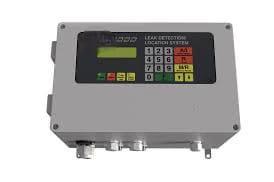
Double Containment Leak Detection: The Smart Solution for Safer Industrial Pipeline Systems
In industries where hazardous chemicals, corrosive liquids, and critical process fluids are transported daily, even the smallest pipeline leak can result in significant financial losses, environmental damage, and safety hazards. Traditional piping systems often make it difficult to identify leaks before they become major problems. That's why Double Containment Leak Detection systems have become an essential part of modern industrial infrastructure.
A double containment piping system provides an additional layer of protection by enclosing the primary pipe within a secondary outer pipe. When paired with an advanced leak detection system, it enables continuous monitoring and rapid identification of leaks before they escalate into costly emergencies. Modern systems can detect even minor leaks, record their occurrence, and accurately locate the affected section of the pipeline.
Whether you're managing a chemical processing plant, pharmaceutical facility, water treatment station, or manufacturing unit, investing in reliable leak detection technology is one of the smartest ways to improve operational safety and environmental compliance.
Understanding Double Containment Leak Detection
A double containment system consists of two pipes working together. The inner pipe carries the process fluid, while the outer pipe acts as a protective barrier. If the primary pipe develops a crack or leak, the escaping fluid remains safely contained inside the outer pipe instead of entering the surrounding environment.
The leak detection system continuously monitors the space between these two pipes. If moisture, chemicals, or changes in the monitoring signal are detected, the system immediately alerts operators, allowing maintenance teams to respond before the situation worsens.
This approach significantly reduces environmental risks while preventing expensive cleanup operations and unexpected production downtime.
Why Leak Detection Is More Important Than Ever
Industrial facilities today operate under increasingly strict environmental and safety regulations. Governments and regulatory bodies expect organizations to prevent hazardous material releases rather than simply respond after an accident occurs.
Without an effective leak detection system, small leaks can remain hidden underground or inside containment structures for weeks or even months. During that time, valuable product may be lost, equipment may suffer corrosion, and environmental contamination can spread unnoticed.
Modern leak detection systems eliminate these risks by providing:
- Continuous monitoring
- Instant leak alerts
- Accurate leak location
- Reduced maintenance costs
- Improved workplace safety
- Better regulatory compliance
Instead of waiting until visible damage appears, operators receive immediate notification, allowing them to repair the issue before it becomes a major incident.
How Double Containment Leak Detection Works
The technology behind leak detection is both sophisticated and highly reliable.
Many advanced systems continuously send electronic monitoring signals through dedicated sensor wires or cables installed alongside the pipeline. These signals are analyzed thousands of times every second. If a leak allows liquid into the monitored area or damages the sensing cable, the system immediately identifies the abnormal condition.
Some modern systems can even pinpoint the leak location within approximately ±1% of the total pipeline length, helping maintenance personnel reach the affected area quickly without unnecessary excavation.
Other detection methods include:
- Conductivity sensors
- Float sensors
- Continuous sensing cables
- Low-point electronic sensors
- Pressure monitoring
- Vacuum monitoring
The choice depends on the type of media being transported and the specific application.
Industries That Benefit Most
Double containment leak detection is valuable wherever hazardous or sensitive fluids are transported.
Chemical Processing
Chemical plants regularly handle acids, alkalis, solvents, and aggressive chemicals. Even a minor leak can create serious safety hazards and environmental liabilities. Leak detection provides an extra level of protection.
Water and Wastewater Treatment
Treatment facilities transport chemicals used for purification and wastewater management. Reliable monitoring prevents contamination while maintaining uninterrupted operations.
Pharmaceutical Manufacturing
Pharmaceutical production requires clean, contamination-free environments. Leak detection helps protect product quality while reducing operational risks.
Semiconductor Manufacturing
Semiconductor facilities use highly pure chemicals that require precise handling. Double containment systems protect expensive production processes from contamination.
Food and Beverage Processing
Although many transported fluids are not hazardous, leaks can still interrupt production and compromise hygiene standards.
Mining Operations
Mining industries often move corrosive slurries and chemical solutions over long distances. Continuous monitoring improves reliability and reduces environmental exposure.
Key Benefits of Double Containment Leak Detection
Enhanced Environmental Protection
One of the biggest advantages is preventing hazardous materials from entering soil or groundwater. The secondary containment captures leaks before they reach the environment, helping organizations meet environmental responsibilities.
Increased Workplace Safety
Chemical leaks can expose employees to dangerous substances. Early detection minimizes exposure and reduces accident risks.
Lower Maintenance Costs
Repairing a small leak is far less expensive than replacing damaged equipment or remediating contaminated sites. Early alerts enable preventive maintenance rather than emergency repairs.
Reduced Downtime
Unexpected shutdowns can be extremely costly. Accurate leak location allows maintenance teams to repair the affected section quickly, minimizing disruption to production.
Improved Asset Protection
Pipelines represent significant capital investments. Continuous monitoring extends system life by identifying problems before they cause widespread damage.
Better Regulatory Compliance
Many industries must comply with strict environmental and safety standards. Leak detection systems support compliance by providing continuous monitoring and documented alarm records.
Features of Modern Leak Detection Systems
Today's leak detection technology offers far more than simple alarms.
Advanced systems typically include:
- Real-time monitoring
- Automatic leak notification
- Digital control panels
- Event history recording
- Leak location identification
- Remote monitoring capabilities
- Integration with plant automation systems
- Low maintenance requirements
These features allow operators to monitor extensive pipeline networks with confidence.
Choosing the Right Double Containment System
Selecting the right system involves evaluating several factors.
Type of Fluid
Different chemicals require different piping materials. Thermoplastics such as PVDF, PP, HDPE, and CPVC are commonly selected because of their excellent chemical resistance.
Operating Conditions
Temperature, pressure, flow rate, and installation environment all influence system design.
Detection Method
Facilities should select leak detection technology based on their operational needs. Some applications require simple low-point monitoring, while others benefit from continuous sensing cable systems.
Installation Quality
Even the best leak detection equipment depends on proper installation. Correct pipe alignment, sensor placement, and testing are essential for reliable performance.
Preventive Maintenance Still Matters
Although leak detection systems provide continuous monitoring, routine inspections remain important.
Good maintenance practices include:
- Regular sensor testing
- Checking alarm functionality
- Inspecting accessible pipeline sections
- Verifying communication with monitoring systems
- Cleaning detection equipment when necessary
- Maintaining accurate maintenance records
Combining preventive maintenance with automated monitoring creates the highest level of pipeline reliability.
Why Industries Are Moving Toward Smart Monitoring
Industrial operations are becoming increasingly automated. Facilities now rely on digital monitoring systems that provide real-time information about every critical asset.
Leak detection has become an integral part of this digital transformation. Instead of relying on manual inspections, operators receive instant alerts directly through centralized monitoring systems.
This proactive approach enables faster decision-making, improves operational efficiency, and reduces overall maintenance costs.
As sustainability becomes a priority worldwide, organizations are also investing in technologies that minimize waste and protect natural resources. Double containment leak detection perfectly supports these goals by preventing product loss and reducing environmental impact.
The Long-Term Value of Investing in Leak Detection
Although installing a double containment leak detection system requires an initial investment, the long-term savings often outweigh the upfront costs.
Organizations benefit from:
- Reduced emergency repairs
- Lower cleanup expenses
- Fewer production interruptions
- Longer equipment lifespan
- Improved insurance confidence
- Better environmental performance
- Enhanced company reputation
For facilities transporting hazardous materials, leak detection is not simply an optional upgrade—it is a critical risk management solution.
Conclusion
Industrial pipeline systems are essential to countless manufacturing and processing operations. However, every pipeline carries the potential risk of leaks that can threaten people, equipment, and the environment.
A Double Containment Leak Detection system offers a proactive solution by combining secondary containment with continuous monitoring and precise leak identification. Instead of discovering problems after damage has occurred, operators receive immediate alerts that allow rapid corrective action.
Whether used in chemical processing, pharmaceuticals, water treatment, food manufacturing, or other industrial sectors, these systems provide exceptional safety, reliability, and long-term value. By investing in modern leak detection technology, businesses protect their infrastructure, comply with environmental regulations, reduce maintenance costs, and ensure uninterrupted operations for years to come.


