


Shoulder Stability, Shock Absorption, and Design Innovation in Youth Shoulder Pads
Introduction
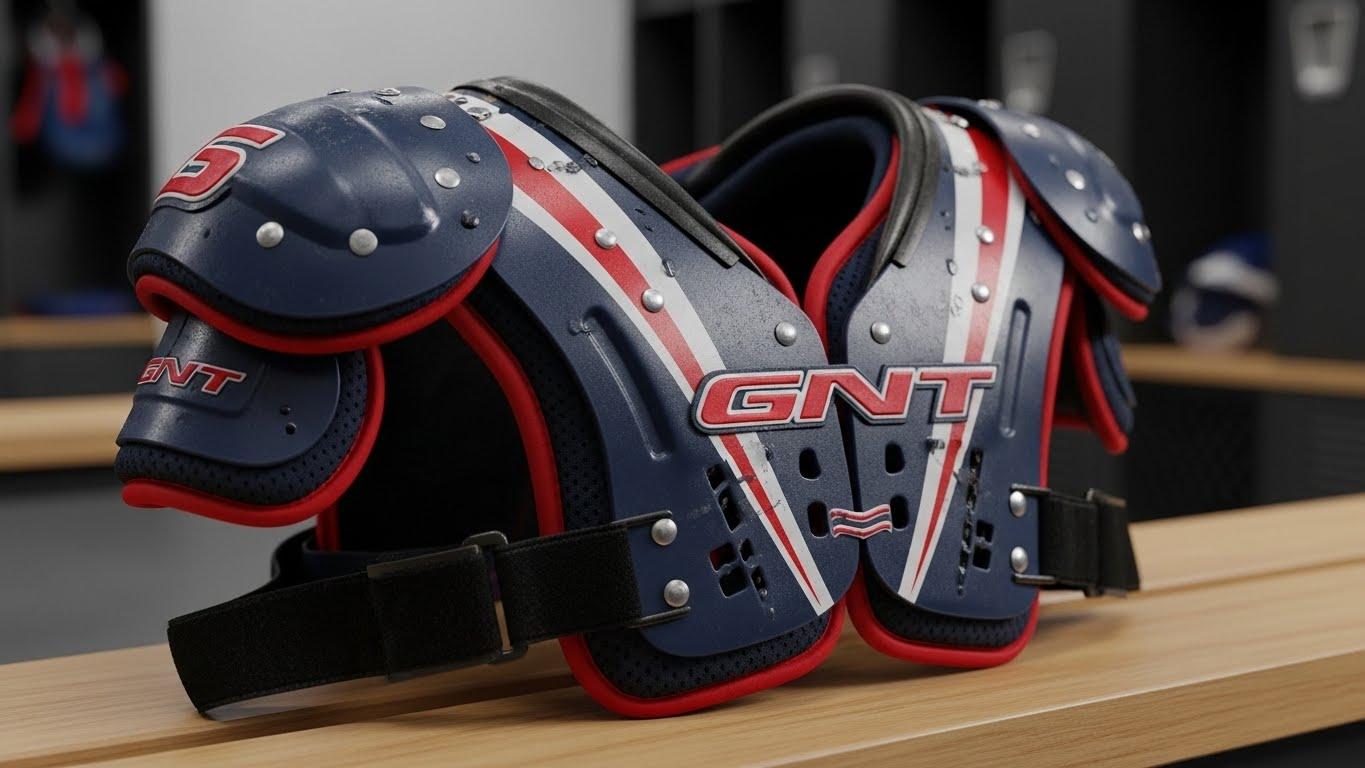
Youth football participation requires equipment specifically engineered for developing bodies rather than simply scaled-down adult gear. Young athletes face unique biomechanical challenges, growth-related vulnerabilities, and proportional differences that demand specialized protective solutions. Youth shoulder pads represent critical safety equipment where design innovation directly impacts both injury prevention and athletic performance for players aged 6-14 years.
Understanding the sophisticated engineering, material science, and anatomical considerations underlying modern youth shoulder pad design reveals why equipment selection matters significantly for young player safety and development. Proper protection enables confident, aggressive play while safeguarding skeletal structures still undergoing growth and maturation.
Anatomical Considerations in Youth Shoulder Development
Adolescent skeletal systems differ fundamentally from adult anatomy in ways that profoundly affect injury patterns and protection requirements. Growth plates—cartilaginous areas where bone growth occurs—remain open throughout childhood and early adolescence, creating vulnerability to specific injury types that closed-plate adult bones don't experience.
The clavicle (collarbone) represents one of football's most frequently fractured bones in youth players. This slender bone connects the shoulder blade to the sternum, transferring forces from arm impacts throughout the shoulder girdle. Youth shoulder pads must distribute impact forces around this vulnerable structure, preventing the concentrated loads that cause fractures.
The acromioclavicular (AC) joint—where the clavicle meets the shoulder blade—faces significant injury risk from direct shoulder impacts or falls onto outstretched hands. Separated shoulders, classified by severity from Grade I to Grade III, can sideline young athletes for weeks and potentially affect long-term shoulder stability.
Research published in the Journal of Pediatric Orthopaedics indicates that athletes wearing properly fitted, age-appropriate shoulder pads experience 52% fewer clavicle fractures and 41% fewer AC joint injuries compared to those wearing ill-fitting or inadequate protection. These statistics underscore the critical importance of youth-specific design considerations.
The shoulder's deltoid muscle, still developing in youth athletes, provides less natural cushioning than adult musculature. Youth football protective shoulder gear must compensate for this reduced natural protection through enhanced padding and coverage extending beyond what adult designs require.
Shock Absorption Technology and Impact Physics
When collisions occur, protective equipment must dissipate kinetic energy before it transfers to underlying tissues and bones. Understanding impact physics reveals the sophisticated engineering embedded in modern youth shoulder pads.
Energy Dissipation Principles: Impacts generate force measured in Newtons. Human tissues tolerate forces up to specific thresholds before injury occurs. Shoulder pads reduce transmitted forces through three mechanisms: increasing impact duration (force = mass × acceleration, so longer impact time reduces acceleration), spreading force across larger surface areas (pressure = force / area), and converting kinetic energy to heat through material deformation.
Foam Density Engineering: Youth football protective shoulder gear utilize multiple foam densities strategically positioned for optimal protection. Harder foams at outer surfaces provide initial impact resistance. Softer foams closer to the body compress more readily, extending impact duration while maintaining comfort. This density gradient optimizes energy absorption across the impact force spectrum young players encounter.
Shell Design Integration: Hard plastic shells covering foam padding prevent penetration from concentrated forces like helmet crowns during tackles. These shells also distribute point impacts across larger padding areas, engaging more protective material in energy absorption.
Modern testing protocols subject Youth football protective shoulder gear to standardized impact forces measuring transmitted acceleration. Quality designs reduce transmitted forces by 60-75% compared to unprotected impacts—the difference between safe play and serious injury.
Cantilever Design Philosophy for Mobility
Traditional shoulder pad designs prioritized maximum coverage, creating protective cocoons that severely restricted mobility. Contemporary youth shoulder pads employ cantilever engineering principles that balance protection with the movement freedom essential for athletic development and performance.
Cantilever designs utilize arch structures that suspend protective elements away from shoulder joints, allowing rotation and elevation while maintaining coverage during impact scenarios. When shoulders move through normal athletic motions, pads flex and float with movements. Upon impact, these same structures compress and engage, providing rigid protection precisely when needed.
This dynamic response system proves particularly valuable for youth athletes still developing proper technique. Restricted shoulder mobility impairs throwing mechanics, tackling form, and blocking technique—skills foundational to long-term football success. Youth football protective shoulder gear that allow natural movement patterns enable proper skill development while providing protection during contact moments.
Engineering analysis published in Sports Engineering demonstrates that cantilever designs permit 40% greater shoulder rotation range compared to traditional flat-panel designs while maintaining equivalent impact protection. This mobility advantage directly translates to better athletic performance and technique development.
Fit System Innovation and Adjustability
Youth athletes grow rapidly, sometimes gaining several inches and 10-20 pounds during single seasons. This growth creates unique equipment challenges—shoulder pads that fit perfectly at season start may become dangerously inadequate by playoffs. Modern youth all-purpose football pads incorporate adjustment systems accommodating substantial growth without requiring mid-season replacement.
Multi-Position Strap Systems: Contemporary designs feature shoulder straps with multiple attachment points allowing height and width adjustments. This flexibility accommodates both initial fitting across different body types and growth adjustments as seasons progress.
Extension Panels: Some premium Youth football protective shoulder gear include removable or adjustable side panels that expand protective coverage as athletes grow. This modular approach extends equipment lifespan while maintaining proper protection.
Arch Width Adjustment: Shoulder width varies substantially among youth players of similar heights and weights. Adjustable arch systems allow customization matching individual anatomy, preventing the gaps that occur when shoulder pads are too narrow or the excessive pressure from pads that are too wide.
Elastic Integration: Strategic elastic panel placement allows pads to accommodate moderate size changes while maintaining snug fit. This give prevents the shifting that undermines protection while providing comfort during growth spurts.
Proper fit assessment requires evaluating shoulder pad position during dynamic movements—arm raises, torso rotation, simulated blocking—rather than only static standing evaluation. Youth shoulder pads that fit correctly during these movements maintain protection throughout game action.
Weight Distribution and Fatigue Management
Equipment weight affects young athletes disproportionately compared to adults. Youth players possess less absolute strength and lower strength-to-bodyweight ratios, making equipment burden more significant. Heavy shoulder pads accelerate fatigue, degrade performance quality, and may discourage proper technique as tired players take shortcuts.
Modern youth all-purpose football pads achieve 25-35% weight reductions compared to designs from a decade ago through advanced materials and optimized structures. High-density foams provide protection using less material mass. Engineering analysis identifies and eliminates unnecessary structural elements that added weight without proportional protective benefits.
Weight distribution matters as much as absolute weight. Well-designed Youth football protective shoulder gear balances weight across shoulders and chest rather than concentrating mass at specific points. Balanced distribution reduces perceived weight and prevents the neck strain that can occur with front-heavy or poorly balanced designs.
Research tracking youth football players during games shows that those wearing lightweight, well-balanced shoulder pads maintain proper tackling technique 18% longer into contests compared to players in heavier equipment. This sustained technique quality directly impacts both performance and safety, as fatigue-induced poor form increases injury risk.
Ventilation Engineering and Thermal Management
Youth thermoregulation systems operate less efficiently than adult systems, creating greater heat-related illness risks. Football equipment exacerbates this vulnerability by covering large body surface areas and restricting heat dissipation. Youth shoulder pads must provide protection while minimizing thermal burden.
Strategic Ventilation Channels: Modern designs incorporate air channels within padding structures, allowing convective heat transfer. Warm air generated by metabolic activity flows through these channels, carrying thermal energy away from the body.
Perforated Padding: Holes through foam materials increase surface area for heat exchange while reducing weight. Perforation patterns are engineered to maintain structural integrity and protective capability while maximizing airflow.
Moisture-Wicking Liners: Interior fabrics contacting skin pull sweat away through capillary action, facilitating evaporative cooling. When moisture remains trapped against skin, it impairs the body's primary cooling mechanism.
Open-Design Architectures: Contemporary Youth football protective shoulder gear utilize skeletal frame structures rather than solid panels, creating natural ventilation gaps. These open designs allow substantially greater air circulation than older enclosed styles.
Studies measuring core temperature elevation in youth athletes demonstrate that well-ventilated shoulder pad designs reduce heat accumulation by 0.4-0.6 degrees Celsius compared to traditional designs—meaningful differences affecting both safety and performance during warm-weather games.
Position-Appropriate Protection Levels
Youth football encompasses diverse positions with varying contact frequencies and impact characteristics. While all players require fundamental protection, position-specific youth shoulder pads optimize the protection-mobility balance for particular roles.
Linemen Designs: Youth offensive and defensive linemen engage in contact on every play, requiring maximum shoulder, chest, and back protection. Linemen shoulder pads feature extended coverage areas, thicker padding, and reinforced structures accepting minor mobility restrictions for enhanced safety.
Linebacker Configurations: These versatile positions balance frequent contact with coverage responsibilities requiring mobility. Youth linebacker shoulder pads provide substantial protection in primary impact zones while maintaining shoulder rotation freedom for backpedaling and lateral movements.
Skill Position Models: Running backs, receivers, and defensive backs prioritize speed and agility. Youth football protective shoulder gear for these positions utilize minimal coverage areas and lightweight construction, providing adequate protection without compromising the mobility essential for their roles.
Quarterback Specializations: Youth quarterbacks face moderate contact frequency but need exceptional arm mobility for throwing. Quarterback shoulder pads emphasize shoulder rotation freedom while protecting against blindside hits and incidental contact.
Position-appropriate selection allows young athletes to develop proper technique for their specific roles while maintaining safety. A young offensive lineman forced to wear skill position pads lacks necessary protection, while a receiver wearing linemen pads cannot develop proper route-running mechanics.
Safety Certification Standards and Compliance
padded football shoulders sold in the United States must meet National Operating Committee on Standards for Athletic Equipment (NOCSAE) certification requirements. These standards establish minimum performance thresholds ensuring basic protection adequacy across all certified products.
NOCSAE testing protocols subject shoulder pads to standardized impacts measuring transmitted forces to underlying surfaces. Pads must reduce impact forces below specified thresholds across multiple impact locations and angles. Equipment failing these tests cannot legally be marketed for football use.
However, NOCSAE certification represents minimum standards rather than optimal protection. Premium Youth football protective shoulder gear often exceed certification requirements substantially, providing protection margins beyond baseline acceptability. Parents and coaches should understand that "NOCSAE certified" indicates meeting minimum standards, not necessarily representing best-available protection.
Reconditioning and recertification programs allow organizations to extend shoulder pad lifespans while maintaining safety standards. Professional reconditioning services inspect, repair, and retest used equipment, certifying continued compliance with NOCSAE standards. This approach provides cost-effective access to quality protection for budget-limited programs.
Integration with Complete Protective Systems
youth shoulder pads with adjustable straps function as components within comprehensive protective equipment systems. Effective overall protection requires proper integration across all worn gear:
Helmet Compatibility: Shoulder pad design must not interfere with helmet fit or cervical spine protection. Excessive shoulder pad height can force helmet backward, compromising protection and visibility.
Rib Protector Coordination: Many youth players wear supplemental rib protection beneath shoulder pads. Combined thickness must not create excessive bulk impairing mobility or comfort.
Uniform Integration: Jerseys must fit over shoulder pads without excessive tightness restricting movement or loose material creating grabbing opportunities for opponents.
Compression Garment Compatibility: Many youth athletes wear padded compression shirts beneath shoulder pads. This layering must not create pressure points or restrict breathing.
Comprehensive system evaluation during fitting ensures all protective elements work together effectively rather than creating conflicts that compromise either safety or performance.
Maintenance, Inspection, and Replacement Protocols
Proper padded football shoulders care extends equipment lifespan while maintaining protective effectiveness:
Post-Use Cleaning: Wipe interior surfaces with antibacterial solutions after each use. This cleaning prevents odor-causing bacteria growth and maintains hygienic conditions.
Regular Inspection: Before each use, examine all straps, snaps, and structural elements for damage or wear. Damaged equipment loses protective capability and requires immediate repair or replacement.
Proper Storage: Store in ventilated areas allowing complete drying between uses. Avoid leaving pads in closed equipment bags where trapped moisture promotes bacterial growth and material degradation.
Reconditioning Schedule: Youth football protective shoulder gear should undergo professional reconditioning every 2-3 seasons, ensuring continued compliance with safety standards.
Growth-Based Replacement: Even properly maintained equipment must be replaced when athletes outgrow it. Ill-fitting shoulder pads provide inadequate protection regardless of their physical condition.
Conclusion
Youth shoulder pads represent sophisticated protective equipment where engineering innovation directly impacts young athlete safety. Through advanced shock absorption technology, cantilever mobility designs, adjustment systems accommodating growth, and thoughtful integration of protection with performance requirements, modern youth all-purpose football pads provide safety enabling confident athletic development.
Understanding the biomechanical principles, material science, and design philosophy underlying quality padded football shoulders with adjustable straps with adjustable straps helps parents and coaches make informed equipment decisions. When young athletes wear properly fitted, position-appropriate, well-maintained shoulder pads engineered specifically for developing bodies, they gain protection supporting both immediate safety and long-term athletic success.
The continued evolution of youth all-purpose football pads design reflects growing understanding of pediatric biomechanics and commitment to youth athlete welfare. Today's young players benefit from protection previous generations never experienced, enabling safer participation in a sport that builds character, teamwork, and lifelong values.
 Dutch
Dutch
 English
 Arabic
 French
 Spanish
 Portuguese
 Deutsch
 Turkish
 Italiano
 Russian
 Romaian
 Portuguese (Brazil)
 Greek
Greek