


Vortex Sensor Guide: Operation, Benefits, and Why Industries Use It
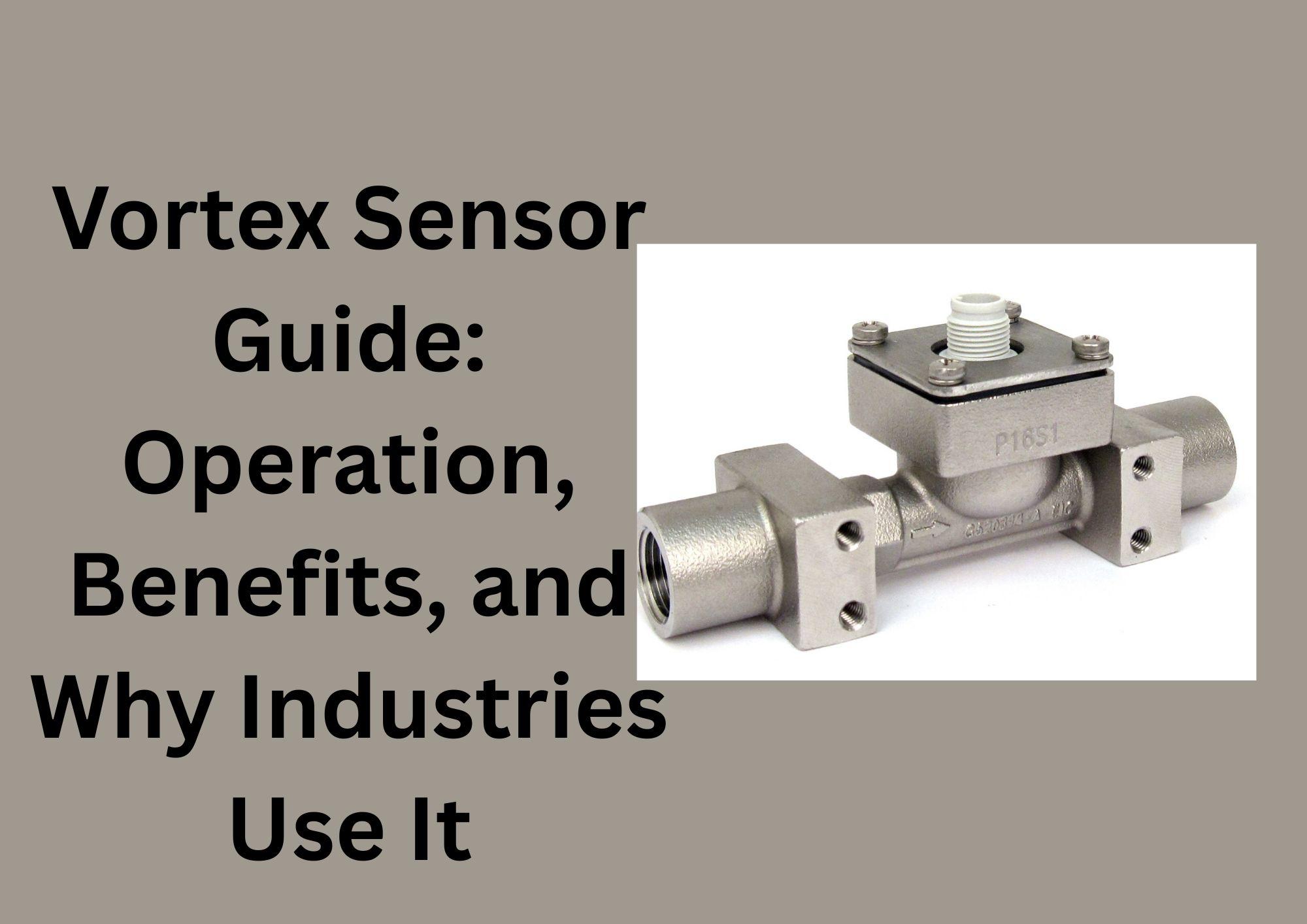
These devices play a crucial role in modern flow measurement systems by providing accurate, stable readings across a wide range of fluids. A vortex sensor is widely used for monitoring liquids, gases, and steam because of its ability to deliver consistent performance in demanding environments.
Since these sensors rely on fluid dynamics instead of complex mechanical parts, they tend to last longer and require minimal maintenance. Their durability, combined with dependable accuracy, makes them an essential tool in industries that require reliable flow monitoring.
1. How Vortex Sensors Operate in Flow Measurement
These devices operate on the principle of vortex shedding, in which fluid passing over a bluff body creates alternating vortices. The device measures the frequency of these patterns, which directly correlates with the flow rate, enabling precise measurement results.
This method provides stable readings without frequent recalibration. The absence of moving parts further reduces the risk of mechanical faults, making these sensors suitable for continuous, long-term industrial use.
2. Key Components That Enable Accurate Sensing
These sensors include a bluff body, a sensing element, and an electronic transmitter that work together to interpret fluid movement. The bluff body creates disturbances in the flow, while the sensing element detects subtle changes in pressure or vibration.
Advanced signal processing technology then converts these signals into accurate flow data. The modern electronics used in these devices help eliminate noise and maintain accuracy even in complex flow environments.
3. Major Benefits of Using Vortex Sensors
One of the major advantages is their ability to measure various types of fluids across different temperature and pressure ranges. This adaptability makes them well-suited for industries that require stable, precise monitoring solutions.
Their low-maintenance design also reduces operational costs. Since there are no internal moving parts, they experience less wear, allowing for long-term accuracy and consistent performance.
4. Industries That Rely on Vortex Sensor Technology
Industries such as oil and gas, chemical processing, and power generation depend heavily on these measurement devices. They help maintain safety, efficiency, and smooth operations in environments that require dependable flow tracking.
These sensors are also commonly used in HVAC systems, water treatment facilities, and food manufacturing plants. Their ability to handle different media and harsh conditions makes them valuable across a wide range of applications.
5. Factors to Consider When Selecting a Vortex Sensor
Selecting the right device involves evaluating factors such as fluid type, temperature conditions, and operating pressure. Ensuring compatibility with these variables helps maintain measurement accuracy and system reliability.
Installation requirements such as pipe size, orientation, and flow range also affect performance. Careful selection ensures long-term stability and reduces the possibility of measurement errors.
6. Common Challenges and How Modern Designs Address Them
Variations in flow conditions or external vibrations can sometimes influence reading accuracy. Newer designs incorporate enhanced sensing elements and filtering technologies that help stabilise measurements even when conditions fluctuate.
Manufacturers have also added diagnostic systems that alert users to potential issues. These advancements improve long-term reliability and reduce the need for unplanned maintenance.
7. Conclusion: Why Vortex Sensors Remain a Trusted Choice Across Industries
Their durability, consistency, and ability to perform under extreme conditions make these sensors a reliable choice for industrial flow measurement. The combination of accuracy and low maintenance contributes to their long-standing popularity.
As technology continues to advance, these devices will remain essential to industrial operations due to their proven performance and efficiency. Their dependable results ensure they stay relevant across evolving industrial needs.

 English
 Arabic
 French
 Spanish
 Deutsch
 Turkish
 Dutch
Dutch
 Italiano
 Russian
 Romaian
 Portuguese (Brazil)
 Greek
Greek