
Why the GE Mark II Overspeed Sensor Is Critical for Power Generation
Introduction
Power generation turbines operate at extremely high rotational speeds, making precise speed monitoring essential for safe and efficient operation. Even a slight increase beyond the recommended speed can place excessive stress on critical components, potentially leading to equipment damage, unplanned shutdowns, and costly repairs. To prevent these risks, turbine control systems rely on overspeed protection technologies that continuously monitor shaft speed and respond immediately to abnormal conditions.
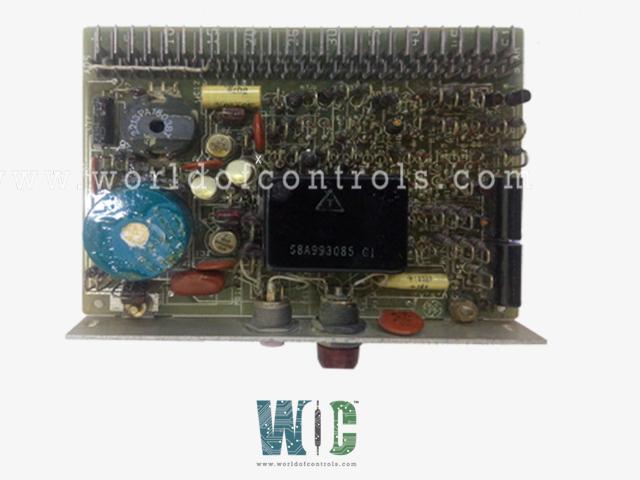
The GE Mark II Overspeed Sensor is an integral part of the GE Mark II turbine control system. It provides accurate speed feedback that enables the control system to detect overspeed conditions and initiate protective actions before they become hazardous. This capability makes the sensor an important component in maintaining turbine reliability, operational safety, and long-term performance across power generation facilities.
What Is an Overspeed Sensor?
An overspeed sensor is a device designed to monitor the rotational speed of a turbine shaft in real time. It continuously sends speed data to the turbine control system, allowing operators and automated controls to verify that the machine is operating within its designated limits.
If the turbine speed exceeds a predetermined threshold, the control system can immediately trigger protective measures such as reducing fuel flow, activating control valves, or initiating an emergency shutdown. This rapid response helps prevent mechanical failures and protects valuable turbine assets.
Why Overspeed Protection Matters
Turbines used in power plants operate under demanding conditions where even brief overspeed events can have serious consequences. These events may result from sudden load rejection, control system disturbances, mechanical failures, or unexpected process changes.
An effective overspeed protection system helps:
- Prevent damage to turbine rotors and bearings
- Reduce the risk of catastrophic mechanical failures
- Improve plant safety for personnel and equipment
- Minimize costly downtime and emergency repairs
- Support consistent and reliable power generation
By continuously monitoring turbine speed, the GE Mark II Overspeed Sensor plays a key role in achieving these objectives.
The Role of the GE Mark II Overspeed Sensor
The GE Mark II Overspeed Sensor serves as a critical input device within the turbine control system. Its primary responsibility is to provide accurate rotational speed information that enables protective and operational decisions.
Its key functions include:
Continuous Speed Monitoring
The sensor tracks turbine speed throughout operation, ensuring that real-time data is available for the control system.
Early Detection of Abnormal Conditions
Rapid identification of overspeed conditions allows the control system to react before excessive speeds can cause equipment damage.
Support for Automatic Protection
The sensor works alongside turbine protection logic to initiate automatic responses whenever operating limits are exceeded.
Reliable System Performance
Accurate speed measurement contributes to stable turbine operation, helping maintain efficiency while reducing operational risks.
Benefits for Power Generation Facilities
Installing reliable overspeed sensing technology offers several advantages for power plants and industrial turbine applications.
Enhanced Equipment Protection
Continuous speed monitoring helps safeguard expensive turbine components against excessive mechanical stress.
Improved Operational Safety
Automatic protective actions reduce the likelihood of hazardous operating conditions and improve overall plant safety.
Reduced Maintenance Costs
Early detection of abnormal operating conditions allows maintenance teams to address issues before they develop into major failures.
Increased Turbine Reliability
Consistent speed feedback enables the control system to maintain stable operating conditions, improving overall equipment reliability.
Higher Plant Availability
Reliable turbine protection minimizes unexpected outages and supports continuous power production.
Maintenance Best Practices
Like any critical control component, overspeed sensors should be included in routine maintenance programs to ensure dependable performance.
Recommended practices include:
- Inspecting sensor mounting and alignment
- Verifying electrical connections
- Checking wiring for wear or damage
- Performing scheduled functional tests
- Monitoring control system diagnostics
- Replacing components that show signs of aging or deterioration
Preventive maintenance helps maximize the lifespan of turbine protection systems while reducing the risk of unexpected failures.
Conclusion
The GE Mark II Overspeed Sensor is a vital component in modern turbine protection systems. By continuously monitoring turbine speed and supporting rapid protective actions, it helps prevent equipment damage, improve plant safety, and maintain reliable power generation.
As power plants continue to prioritize operational efficiency and asset reliability, dependable overspeed sensing remains an essential part of turbine control strategies. Investing in proper maintenance and ensuring the continued performance of overspeed protection systems can significantly enhance turbine longevity, reduce downtime, and support safe, efficient operation for years to come.


