
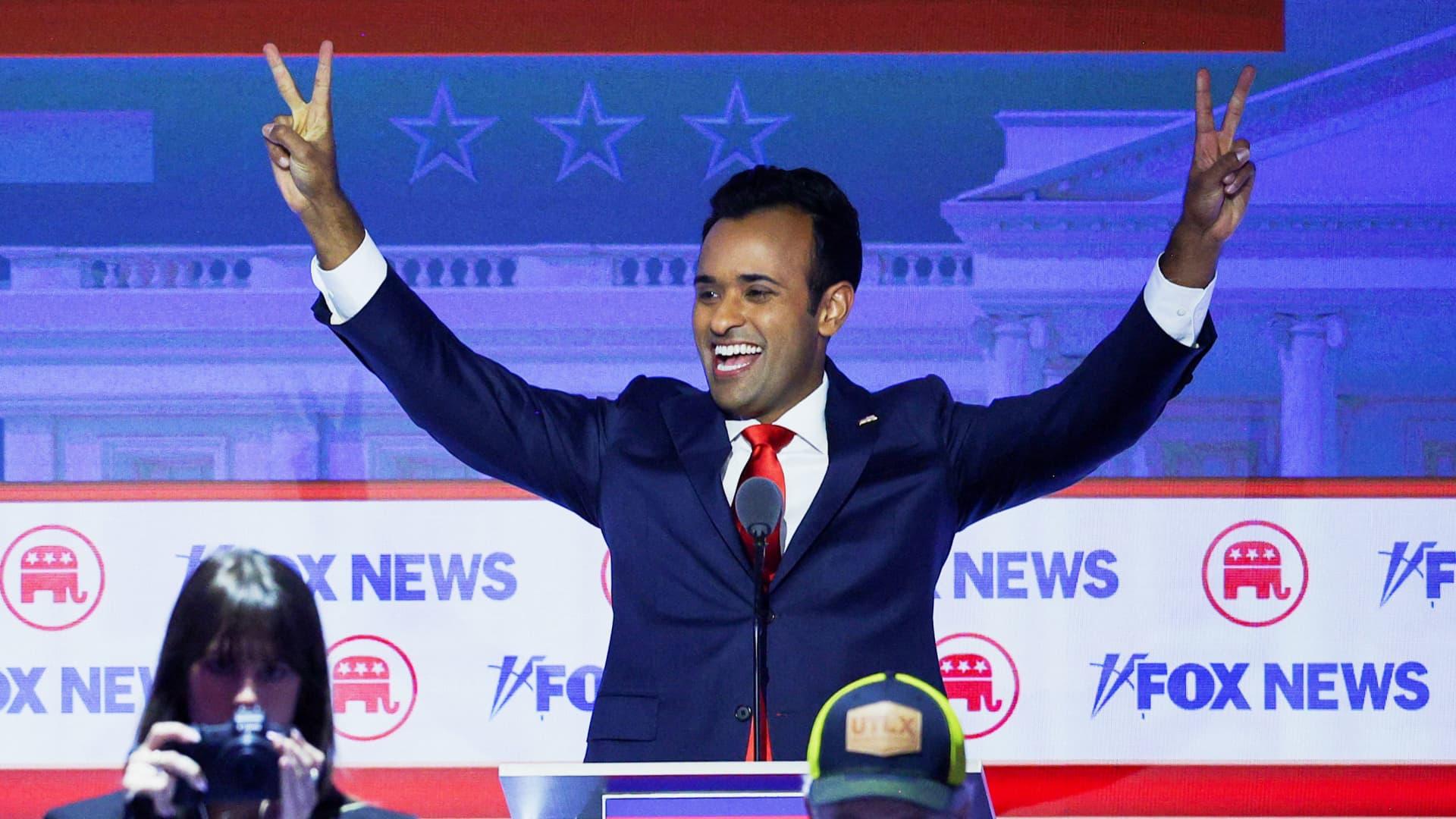
Vivek Ramaswamy Ohio Governor: Key Issues Voters Should Know
Vivek Ramaswamy Ohio Governor: Key Issues Voters Should Know
Introduction
The Ohio governor’s race is attracting attention as voters consider competing ideas about taxes, education, healthcare, jobs, public safety, and government spending. Vivek Ramaswamy has presented himself as a candidate who wants to make major changes to the way Ohio operates.
For people following the Vivek Ramaswamy Ohio Governor campaign, understanding his key policy positions is important. His platform focuses on reducing taxes, improving government efficiency, expanding economic opportunities, and changing how the state approaches education and healthcare.
Ramaswamy, a businessman and former presidential candidate, has gained national recognition for his conservative political views. His campaign in Ohio now places those ideas at the state level, where voters will have to consider both the potential benefits and challenges of his proposals.
Tax Cuts Are a Major Campaign Issue
Taxes are among the most important issues in the Ramaswamy campaign. His policy agenda includes proposals to reduce property taxes and eliminate Ohio’s state income tax while also working to lower electricity costs.
The idea of reducing taxes could appeal to homeowners, workers, and businesses looking for more financial flexibility. Supporters argue that lower taxes could make Ohio more attractive for families and companies while encouraging investment and economic growth.
However, tax cuts also raise questions about state revenue. Ohio uses tax dollars to support education, healthcare, transportation, public safety, and other services. Voters will therefore want to know how the state could maintain those services if significant taxes are reduced.
Property Taxes Could Receive Special Attention
Property taxes are especially important because they help fund local governments and school districts. A major reduction could benefit homeowners, but it could also create financial pressure for communities.
For that reason, Ohio voters should look carefully at how any property tax proposal would be funded and whether state support would replace lost local revenue.
Education Remains a Key Concern
Education will likely be another major topic in the governor’s race. Ramaswamy has emphasized higher standards and stronger academic outcomes, arguing that schools should focus on measurable results.
Parents and teachers, however, are concerned about several issues beyond test scores. These include school funding, teacher shortages, classroom resources, student performance, and school choice.
Ramaswamy’s approach places greater emphasis on accountability and educational performance. Supporters may view that as a way to push schools toward better results, while critics may question whether additional changes could create challenges for public school districts.
What Parents Should Watch
Ohio families should pay attention to how Ramaswamy would balance accountability with funding. Strong standards can be useful, but schools also need qualified teachers, adequate resources, and stable budgets to meet those expectations.
The debate will ultimately involve both educational outcomes and the resources available to students and teachers.
Healthcare and Medicaid
Healthcare is another important part of Ramaswamy’s platform. His agenda includes reducing healthcare costs and addressing Medicaid fraud.
The issue matters because Medicaid serves many Ohio residents and represents a significant part of government spending. Reducing waste and improper payments could potentially save taxpayer money, but the details of implementation will matter.
Voters should ask how fraud would be identified, how savings would be measured, and whether changes could affect legitimate Medicaid recipients or healthcare providers.
A successful healthcare strategy would need to balance cost control with continued access to necessary medical services.
Jobs and Economic Growth
Economic development is central to Ramaswamy’s vision for Ohio. He has promised to focus on creating high-paying jobs and making the state more attractive to businesses.
His background in business is an important part of his political message. Supporters believe his experience as an entrepreneur could help him understand the needs of employers and investors.
Still, job creation depends on more than tax policy. Companies also consider infrastructure, workforce skills, education, energy costs, transportation, and access to markets when deciding where to invest.
For Ohio to remain competitive, economic policies will need to address both traditional industries and newer sectors such as technology, advanced manufacturing, healthcare, and logistics.
Public Safety and Government Efficiency
Public safety is another major concern for Ohio voters. Ramaswamy has highlighted crime, human trafficking, and law enforcement as areas requiring attention.
His approach emphasizes stronger enforcement, but public safety also involves prevention, addiction treatment, rehabilitation, and cooperation between state and local authorities.
Government efficiency is another major theme. Ramaswamy argues that Ohio can reduce waste and improve services by making government more effective.
That proposal may appeal to taxpayers who believe government spends too much. However, voters should examine proposed cuts carefully. Reducing spending can produce savings, but poorly planned cuts could also affect schools, emergency services, infrastructure, or other essential programs.
What Ohio Voters Should Consider
For anyone researching the Vivek Ramaswamy Ohio Governor campaign, the most important question is whether his proposals can work together financially and practically.
Lower taxes, stronger schools, cheaper healthcare, more jobs, and safer communities are popular goals. The difficult part is determining how those goals will be paid for and implemented.
Voters should therefore look beyond campaign slogans. They should examine the cost of each proposal, potential effects on state services, and the evidence supporting promised results.
Understanding these details can help Ohio residents make a more informed decision.
Conclusion
Vivek Ramaswamy’s Ohio governor campaign centers on a bold conservative agenda involving tax cuts, education reform, healthcare savings, economic growth, public safety, and government efficiency.
His proposals could bring significant changes to Ohio if implemented, but they also raise questions about funding, execution, and possible effects on local communities.
As the race develops, voters should focus on the practical details behind the promises. The most important questions are simple: How much will each proposal cost? Who will benefit? What could change for public services? And can the plan realistically deliver the results being promised?
Those answers will help determine how Ohio voters ultimately view Ramaswamy’s vision for the state.


