


Solar Energy Payback Period: What Industries Should Expect
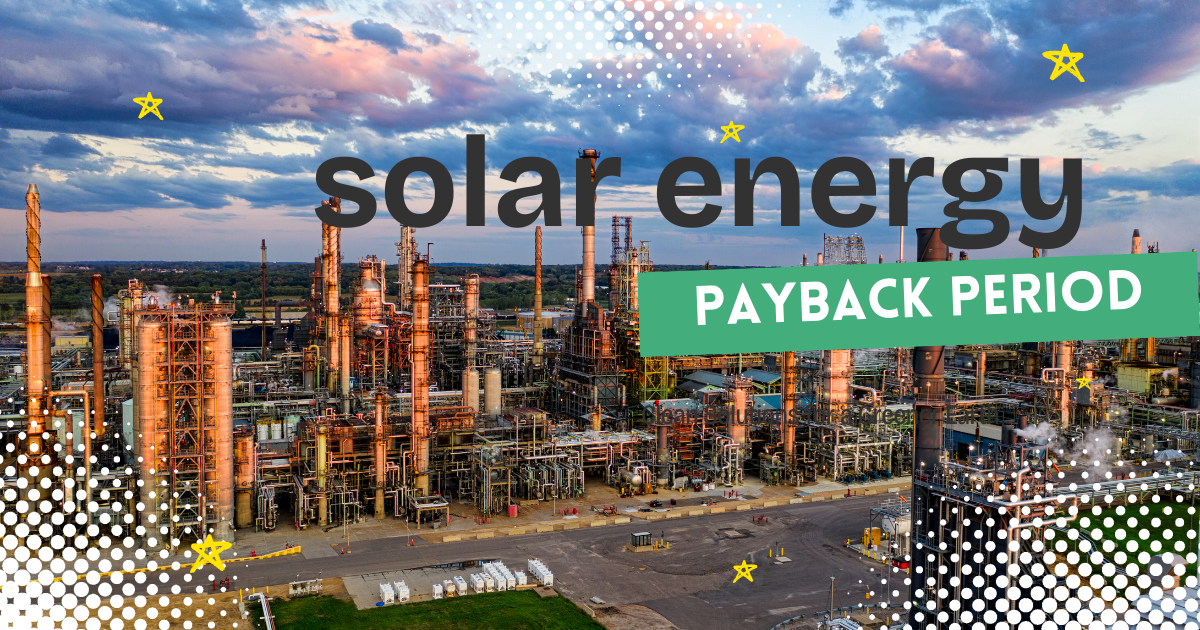
The shift to solar energy is rapidly accelerating across manufacturing units, warehouses, processing facilities, and large-scale industrial complexes. With rising electricity tariffs, unpredictable fuel costs, and strict sustainability regulations, industries are seeking reliable alternatives that provide long-term value.
One of the most common questions industrial decision-makers ask is: What is the payback period for a solar installation, and what savings can be expected? Understanding this is crucial for financial planning and investment approval. In this article, we break down the concept of payback period, cost-benefit insights, installation steps, and environmental advantages for industries considering Industrial Solar Panels as a future-ready energy strategy.
What Is the Solar Energy Payback Period?
The payback period refers to the time it takes for the savings generated by a solar power system to equal the original cost of installation. After this period, the system essentially produces free electricity for the remainder of its lifespan. For industrial-scale solar systems, the typical payback duration ranges from 3 to 4 years, depending on project size, grid tariff rates, location, and system efficiency.
Because solar panels come with performance warranties of 25 years, industries benefit from more than two decades of reduced energy expenses after break-even is achieved.
Factors That Influence Industrial Solar Payback
Several variables affect how quickly industries can recover their solar investment. Key considerations include:
-
Current Electricity Cost: Higher energy tariffs accelerate savings and shorten the payback cycle.
-
System Capacity: Larger installations generate more power, enhancing savings potential.
-
Sunlight Availability: Regions with strong solar radiation achieve higher output.
-
Technology Choice: Bifacial and mono PERC panels improve generation efficiency.
-
Government Incentives: Subsidies, tax benefits, and accelerated depreciation contribute significantly.
With proper engineering design and load matching, many industries achieve faster returns than initially estimated.
Cost Savings & Financial Returns
Solar energy can reduce industrial electricity bills by 40%–70%, depending on usage and load profile. For industries relying heavily on diesel generators, hybrid solar systems can cut fuel consumption dramatically, reducing carbon emissions and operating expenses.
A typical 1MW installation can save between ₹40–70 lakh annually, while avoiding tariff fluctuations and reducing energy dependency. Many organizations reinvest these savings into production upgrades, automation, or business expansion.
Key Installation Steps for Industrial Solar Systems
A structured installation approach ensures maximum performance and financial efficiency.
1. Energy Analysis & Feasibility Study
Assessment of load demand, available space, and projected ROI.
2. System Design & Engineering Planning
Selection of panel technology, inverter type, mounting structure, and safety components aligned with industrial needs.
3. Structural Evaluation & Approvals
Review of roof strength, wind load resistance, and compliance with electrical and industrial safety standards.
4. Installation & Commissioning
Panel mounting, electrical wiring, inverter integration, testing, and grid connection.
5. Monitoring & Routine Maintenance
Smart monitoring dashboards ensure real-time performance tracking, fault detection, and maintenance scheduling.
Environmental Impact of Solar for Industries
Solar installations significantly reduce carbon emissions and pollution caused by conventional power sources. A 1MW solar plant offsets approximately 1,200 tons of CO₂ every year, supporting environmental regulations and ESG goals. By adopting solar, industries contribute directly to national renewable energy targets and global sustainability commitments.
Conclusion
The solar energy payback period represents much more than a financial calculation—it is a roadmap toward operational efficiency, cost stability, and environmental responsibility. With short break-even timelines, extensive lifetime performance, and substantial annual savings, solar energy has become one of the strongest investments industrial leaders can make.
When implemented correctly, solar transforms energy spending into long-term asset value, future-proofing industrial operations against rising power costs.

 English
 Arabic
 French
 Spanish
 Portuguese
 Deutsch
 Dutch
Dutch
 Italiano
 Russian
 Romaian
 Portuguese (Brazil)
 Greek
Greek