


A Complete Homeowner Guide to Choosing Reliable Basement Waterproofing Services
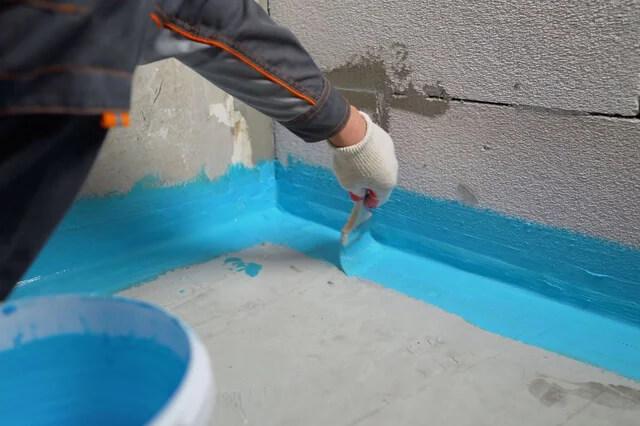
Your home’s foundation is only as strong as the system protecting it. And when water finds even the smallest entry point, it can lead to major problems—structural cracks, mold growth, damp walls, and unhealthy air. That’s why choosing the right basement waterproofing services is a decision every homeowner should approach with clarity and confidence. Whether you're dealing with minor seepage or major flooding, understanding what to look for can save you thousands in future repairs and stress.
Why Waterproofing Your Basement Is Non-Negotiable
A damp basement is more than an inconvenience; it’s a warning sign. Moisture has a way of spreading quietly, and by the time visible damage occurs, the issue has often escalated.
Here’s why waterproofing should be a priority:
-
Prevents structural deterioration
Water weakens foundation walls over time. -
Protects indoor air quality
Mold and mildew grow rapidly in hidden damp areas. -
Increases usable space
A dry basement can become a hobby room, extra bedroom, gym, or office. -
Boosts property value
Buyers look for homes with strong, protected foundations.
Waterproofing gives you something invaluable—peace of mind during every storm.
Understanding How Water Sneaks into Your Basement
Before you even explore solutions, it’s important to understand why water enters the basement in the first place.
1. Hydrostatic Pressure
When heavy rains or rising groundwater saturate the soil around your foundation, the pressure forces water into cracks or gaps.
2. Foundation Cracks
Even hairline cracks can widen over time, allowing continuous seepage.
3. Poor Drainage
Blocked gutters, short downspouts, or sloping soil can pool water directly against your foundation.
4. Condensation
Not all moisture comes from outside. High indoor humidity can cause walls to “sweat.”
Knowing the source of the problem helps you choose the right solution—interior, exterior, or a combination.
Types of Basement Waterproofing Methods Explained
Waterproofing isn’t one-size-fits-all. There are multiple approaches depending on the severity of the issue.
Interior Waterproofing
This method manages water once it has entered the basement.
Common solutions include:
-
French drains
-
Sump pump systems
-
Vapor barriers
-
Interior sealants
Advantages:
-
Cost-effective
-
Minimal disruption
-
Ideal for mild to moderate seepage
Exterior Waterproofing
This approach keeps water away from your foundation entirely.
What it involves:
-
Excavation around the home
-
Application of a waterproof membrane
-
Drain tiles for effective water flow
Best for:
-
Major leaks
-
Homes in high-rainfall or high-groundwater areas
-
Long-term protection
Crack Injection Repairs
For isolated leaks, polyurethane or epoxy injections are quick and effective.
Drainage Improvements
Sometimes, fixing drainage solves half the problem. This includes regrading soil or installing new downspout extensions.
How to Choose the Best Basement Waterproofing Services
Selecting the right company can make or break your waterproofing investment.
Look for These Key Indicators:
1. Detailed Inspection Process
A reliable company inspects both the interior and exterior before suggesting solutions. They should check:
-
Soil grading
-
Gutter performance
-
Wall cracks
-
Floor joints
-
Sump systems
A quick “look-and-quote” approach is a red flag.
2. Range of Solutions
A trustworthy service provider doesn’t push one standard solution. They tailor the system to your home’s unique problem.
3. Transparent Pricing
Avoid vague estimates. A professional company provides written, itemized quotations.
4. Experience & Certifications
Years of experience, trained technicians, and industry certifications indicate reliability.
5. Warranty and Support
The best providers offer long-term or lifetime warranties on systems installed.
Key Questions to Ask Before Hiring a Waterproofing Company
1. What method do you recommend and why?
Their explanation should be clear, logical, and specific to your home.
2. Do you use your own team or subcontractors?
In-house teams ensure better accountability.
3. What materials do you use?
High-quality membranes, pipes, and sealants directly impact durability.
4. How long will the project take?
Interior systems may take a day or two, whereas exterior systems can take several days.
5. What guarantees do you provide?
A warranty shows confidence in their workmanship.
Signs You Need Basement Waterproofing Services Immediately
Some issues require urgent attention. Look for:
-
White chalky powder (efflorescence)
-
Musty odors
-
Rust on metal pipes and appliances
-
Peeling paint or bubbling walls
-
Wet carpet or flooring
-
Mold on baseboards
-
Visible cracks expanding over time
Ignoring these signs can result in expensive structural problems later.
Common Mistakes Homeowners Make During Waterproofing
Avoid these costly missteps:
1. Choosing the cheapest contractor
Low rates often mean poor materials or shortcuts.
2. Relying only on interior waterproofing
Sometimes exterior work is necessary to solve the root cause.
3. Not fixing drainage issues first
Improper drainage can undo even the best waterproofing system.
4. Ignoring small leaks
Minor seepage today often becomes major flooding tomorrow.
Being proactive saves money and headaches.
The Role of Proper Drainage in Protecting Your Basement
Even the best waterproofing system can fail if the drainage around your home is poor.
Important drainage factors include:
-
Soil grading away from the house
-
Clean gutters and extended downspouts
-
Perimeter drains functioning properly
Sometimes, simply improving drainage reduces water pressure dramatically.
Materials Used in Professional Waterproofing Systems
Understanding materials helps you evaluate quality.
Popular choices include:
-
EPDM membranes
-
Bituminous coatings
-
Crystalline waterproofing compounds
-
PVC drain tiles
-
Polyurethane crack fillers
Durable materials equal long-lasting protection.
Interior vs. Exterior Waterproofing: Which Is Right for You?
Choose Interior Waterproofing If:
-
You have mild seepage
-
You want a faster and more affordable solution
-
Your basement shows condensation or high humidity
Choose Exterior Waterproofing If:
-
You have consistent leaks
-
Walls show structural cracks
-
Your home sits in a low-lying area
-
You want long-term protection
Choose Both If:
The water problem is severe or recurring.
Maintenance Tips After Waterproofing Installation
Even after waterproofing, small maintenance habits go a long way.
Do’s:
-
Test the sump pump before monsoon season
-
Keep gutters clean
-
Check for new cracks every few months
-
Maintain low humidity using a dehumidifier
Don’ts:
-
Ignore minor seepage
-
Let landscaping block drainage paths
-
Use harsh chemicals on freshly treated walls
With proper care, your basement stays dry for years.
FAQs
1. How long does waterproofing typically last?
Interior waterproofing may last decades with routine pump maintenance. Exterior systems typically last longer.
2. Is waterproofing expensive?
It depends on the method used, the size of the basement, and the severity of the issue.
3. Should I waterproof a basement even if it hasn’t leaked yet?
Preventative waterproofing is smart—especially in high-rainfall areas.
4. Does waterproofing help with basement odors?
Yes. Most musty smells stem from moisture, mold, or humidity problems.
Final Thoughts
Choosing the right basement waterproofing services is one of the smartest steps a homeowner can take to protect the foundation and long-term value of their property. With the right contractor, quality materials, and a clear understanding of your basement’s needs, you can ensure a dry, healthy, and safe space for decades. Whether you're planning a renovation or simply safeguarding your home, investing in professional services now will bring lasting peace of mind and reliable protection.

 English
 Arabic
 French
 Spanish
 Portuguese
 Deutsch
 Turkish
 Dutch
Dutch
 Russian
 Romaian
 Portuguese (Brazil)
 Greek
Greek