


Shell and Tube Heat Exchangers: A Reliable Solution for Efficient Heat Transfer
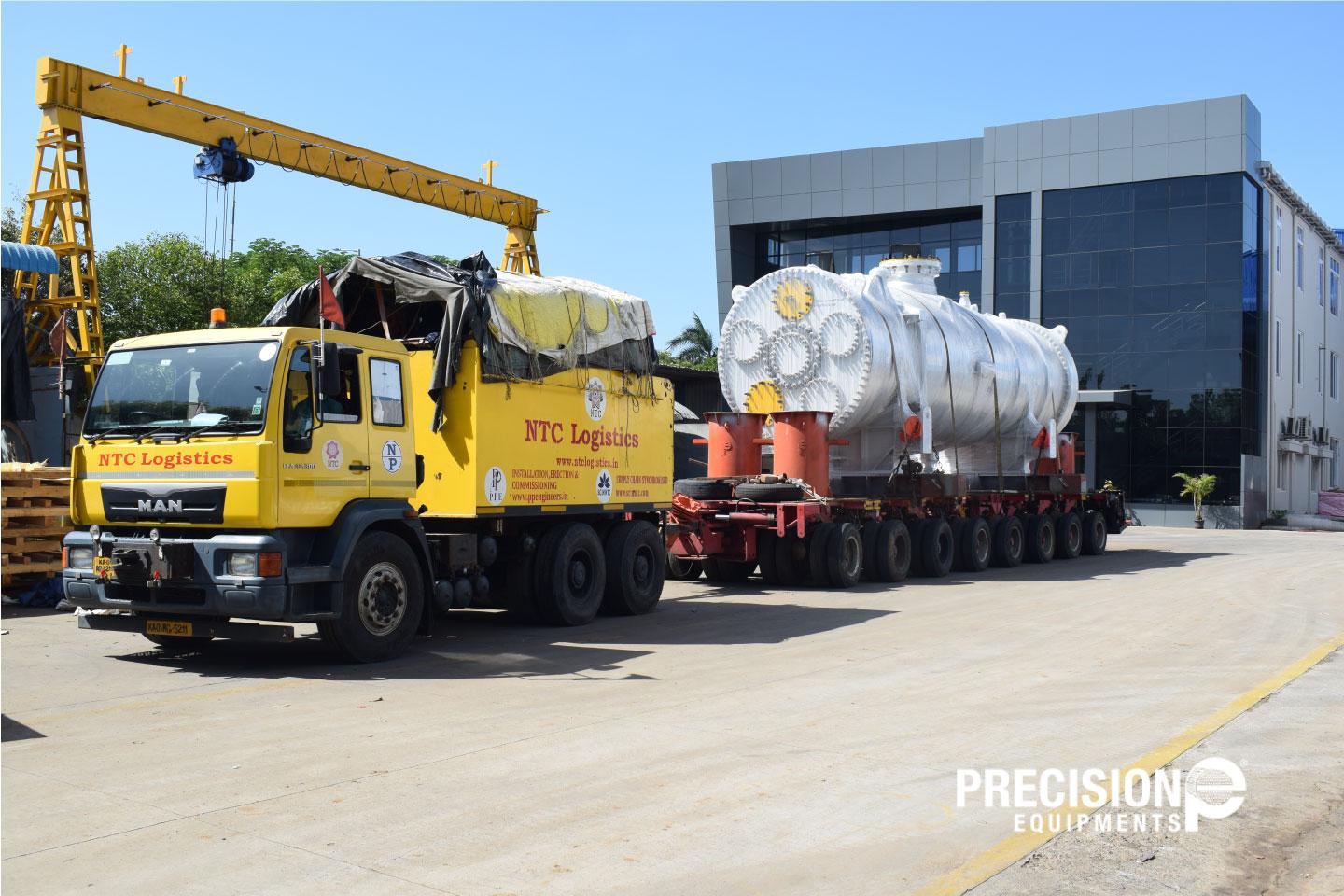
In today’s industrial landscape, efficient heat transfer systems are critical for maintaining productivity, safety, and energy efficiency. Among the various heat exchange technologies available, the Shell and Tube Heat Exchanger remains one of the most widely used and trusted solutions across multiple industries. Its robust design, adaptability, and ability to operate under extreme temperature and pressure conditions make it a preferred choice for engineers and plant operators worldwide.
Understanding the Shell and Tube Heat Exchanger
A Shell and Tube Heat Exchanger consists of a cylindrical shell housing a bundle of tubes. One fluid flows through the tubes, while another flows over the tubes within the shell. Heat is transferred between the two fluids without direct contact, ensuring efficient thermal exchange while maintaining fluid separation.
This design allows the equipment to handle high pressures and temperatures, making it suitable for demanding industrial applications. The flexibility in design configurations—such as fixed tube sheet, U-tube, and floating head—further enhances its usability in diverse operating environments.
Key Advantages of Shell and Tube Heat Exchangers
One of the primary benefits of a Shell and Tube Heat Exchanger is its durability. These systems are engineered using high-quality materials that withstand corrosion, thermal stress, and mechanical loads. As a result, they offer long service life with minimal maintenance requirements.
Another advantage is scalability. Shell and tube designs can be customized for small-scale operations or large industrial plants, depending on heat transfer requirements. They also allow easy cleaning and inspection, especially in industries where fouling is a concern.
Additionally, these heat exchangers are highly efficient in managing large heat loads, making them ideal for continuous process operations.
Industrial Applications
Shell and tube heat exchangers are extensively used across a wide range of industries. In the oil and gas sector, they are employed in refining processes, crude oil cooling, and gas condensation. Chemical and petrochemical plants rely on them for reactor temperature control, solvent recovery, and process heating or cooling.
In power generation facilities, they play a crucial role in condensers and feedwater heaters. HVAC systems also utilize shell and tube heat exchangers for large commercial and industrial cooling applications. Their versatility makes them equally valuable in food processing, pharmaceuticals, marine systems, and fertilizer plants.
Role of a Shell and Tube Heat Exchanger Manufacturer
Choosing the right Shell and Tube Heat Exchanger Manufacturer is essential to ensure optimal performance and compliance with industry standards. A reliable manufacturer focuses on precision engineering, material quality, and adherence to international codes such as ASME, TEMA, and API.
An experienced manufacturer offers customized solutions based on process parameters, including temperature, pressure, flow rate, and type of fluids involved. Advanced manufacturing techniques, rigorous testing, and quality control processes ensure that the heat exchanger performs efficiently under real-world operating conditions.
Manufacturers also provide technical support, documentation, and guidance during installation and operation, helping industries achieve maximum efficiency and safety.
Importance of a Trusted Shell and Tube Heat Exchanger Supplier
Equally important is selecting a dependable Shell and Tube Heat Exchanger Supplier. A professional supplier ensures timely delivery, consistent quality, and access to a wide range of product configurations. They act as a bridge between the manufacturer and the end user, offering logistical support and after-sales service.
A trusted supplier understands industry-specific requirements and can recommend suitable designs and materials for specific applications. This expertise helps businesses reduce downtime, improve system reliability, and optimize overall operational costs.
Customization and Design Flexibility
One of the strongest features of shell and tube heat exchangers is their design flexibility. Parameters such as tube material, shell diameter, number of passes, and baffle design can be tailored to meet precise process needs. Materials commonly used include carbon steel, stainless steel, copper alloys, and special metals for corrosive environments.
Customization ensures higher thermal efficiency, reduced pressure drop, and better resistance to fouling. This adaptability makes shell and tube heat exchangers a long-term investment for industries aiming for sustainable operations.
Precision Engineering and Industry Expertise
Precision Equipments has established itself as a dependable name in the field by offering engineered heat transfer solutions designed to meet diverse industrial requirements. With a focus on quality, performance, and customer satisfaction, the company supports industries by delivering heat exchangers that align with global standards and operational expectations.
By combining technical expertise with modern manufacturing practices, solutions are developed to ensure reliability, efficiency, and durability in challenging process environments.
Conclusion
The Shell and Tube Heat Exchanger continues to be a cornerstone of industrial heat transfer technology due to its robust construction, efficiency, and versatility. Whether for high-pressure chemical processing, power generation, or large-scale HVAC systems, these heat exchangers deliver consistent and reliable performance.
Partnering with an experienced Shell and Tube Heat Exchanger Manufacturer and a reliable Shell and Tube Heat Exchanger Supplier ensures that industries receive solutions tailored to their specific operational needs. With the right design, materials, and support, shell and tube heat exchangers remain a cost-effective and dependable choice for efficient thermal management across industries.
 Dutch
Dutch
 English
 Arabic
 French
 Spanish
 Portuguese
 Deutsch
 Turkish
 Italiano
 Russian
 Romaian
 Portuguese (Brazil)
 Greek
Greek