
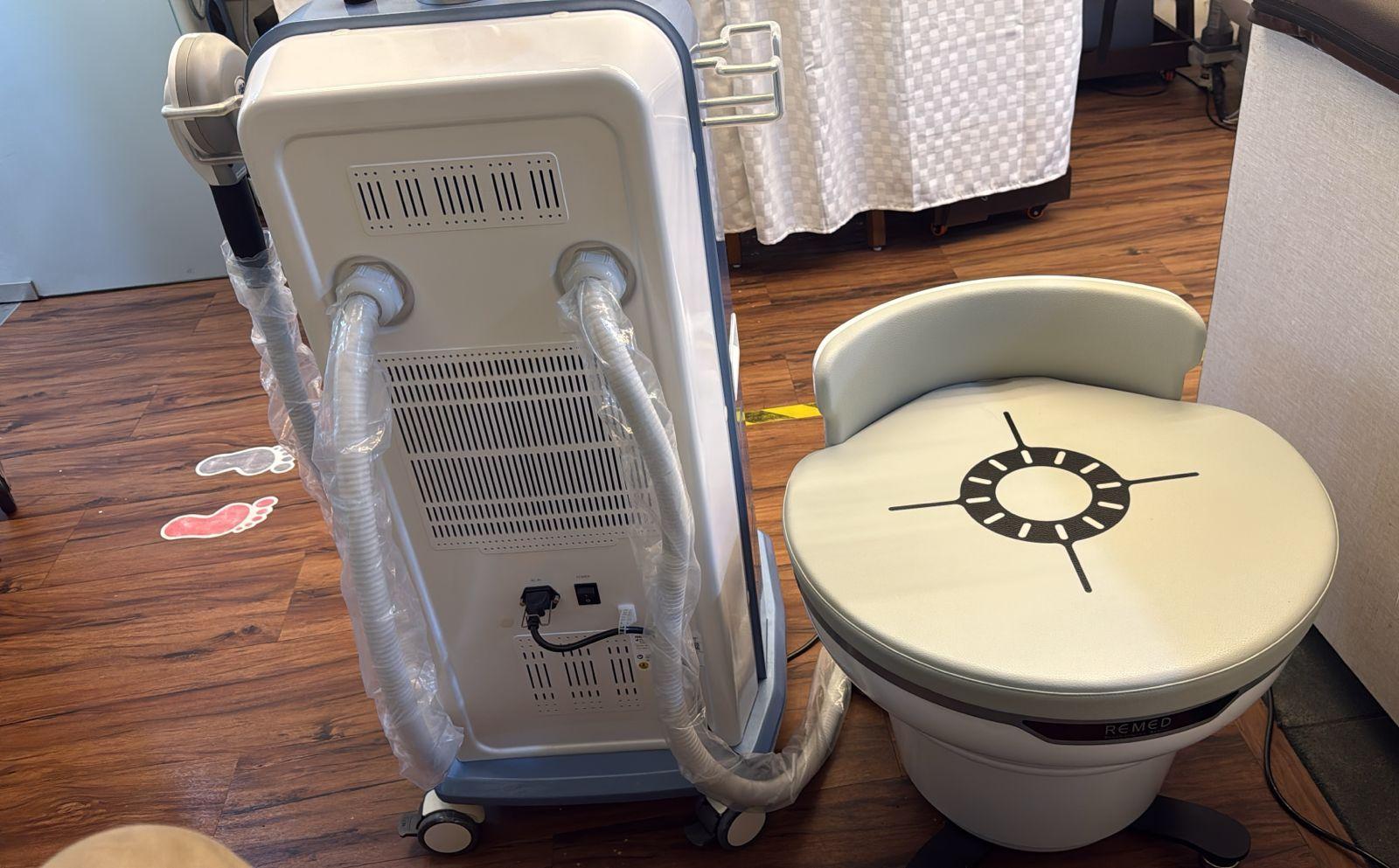
Female Urinary Incontinence Treatment in Mulund: Regain Confidence and Control

For many women, urinary incontinence can feel like a silent struggle. It often starts with a few drops of urine while sneezing, laughing, or exercising, and over time it may become more frequent and difficult to manage. While many women feel embarrassed discussing it, the truth is that female urinary incontinence is very common and treatable.
If you are looking for female urinary incontinence treatment in Mulund, getting the right guidance and care can make a huge difference. Clinics like this focus on helping women regain bladder control through non-surgical and personalized treatment methods.
Understanding Female Urinary Incontinence
Female urinary incontinence refers to the involuntary leakage of urine. It can happen occasionally or become a long-term issue depending on the cause and severity. According to medical experts, urinary incontinence affects millions of women worldwide and is especially common after childbirth, during menopause, or with age-related pelvic floor weakness.
Although it may feel like a normal part of aging or motherhood, it should never be ignored. Effective treatments are available, and early intervention often leads to better results.
Types of Female Urinary Incontinence
Understanding the type of incontinence is the first step toward proper treatment.
1. Stress Urinary Incontinence
This happens when physical movement or activity puts pressure on the bladder. Common triggers include:
- Sneezing
- Coughing
- Laughing
- Running
- Lifting heavy objects
This type is usually caused by weakened pelvic floor muscles.
2. Urge Incontinence
Urge incontinence involves a sudden and strong need to urinate, often followed by leakage before reaching the toilet. It is commonly linked to overactive bladder muscles.
3. Mixed Incontinence
As the name suggests, this is a combination of stress and urge incontinence. Many women experience both forms together.
4. Overflow Incontinence
This occurs when the bladder does not empty fully, causing frequent dribbling.
Medical experts note that stress and urge incontinence are among the most common forms in women.
Causes of Female Urinary Incontinence
There are several reasons why women may experience urinary leakage:
- Pregnancy and childbirth
- Hormonal changes during menopause
- Weak pelvic floor muscles
- Obesity
- Chronic constipation
- Repeated heavy lifting
- Aging
- Pelvic surgeries
- Neurological conditions
Childbirth is one of the major contributors, as it can weaken or stretch the muscles that support the bladder.
Symptoms to Watch For
Many women ignore early signs, thinking they will improve on their own. Common symptoms include:
- Leakage while coughing or sneezing
- Frequent urge to urinate
- Waking up multiple times at night to urinate
- Difficulty holding urine
- Feeling like the bladder never empties fully
- Leakage during exercise
If these symptoms are affecting your daily life, it’s time to seek professional help.
Why Early Treatment Matters
Ignoring urinary incontinence can impact physical, emotional, and social well-being. Many women avoid travel, exercise, or social gatherings due to fear of leakage.
Without treatment, symptoms may worsen over time. Early care can:
- Improve bladder control
- Prevent worsening symptoms
- Restore confidence
- Improve quality of life
Female Urinary Incontinence Treatment in Mulund
At specialized centers like Physio Fit Guru, treatment focuses on identifying the root cause and providing personalized therapy.
1. Pelvic Floor Physiotherapy
This is one of the most effective non-surgical treatments. Pelvic floor therapy strengthens the muscles supporting the bladder.
Benefits include:
- Better bladder control
- Reduced leakage
- Improved pelvic support
- Increased muscle strength
Medical research shows pelvic floor exercises are highly effective, especially for stress incontinence.
2. Kegel Exercises
Kegels are targeted exercises designed to strengthen the pelvic floor. They are simple but must be done correctly and consistently.
A physiotherapist can guide you to ensure proper technique.
3. Bladder Training
Bladder training helps improve control over urination by gradually increasing the time between bathroom visits.
This method is especially useful for urge incontinence.
4. Electrical Stimulation Therapy
Electrical stimulation uses gentle impulses to activate and strengthen weak pelvic muscles. This treatment is often recommended when muscles are too weak for effective exercise alone.
5. Lifestyle Modifications
Small changes can have a big impact:
- Weight management
- Reducing caffeine intake
- Managing constipation
- Staying hydrated properly
- Avoiding smoking
These adjustments can reduce pressure on the bladder.
Why Physiotherapy is a Preferred Choice
Many women worry that surgery is the only solution, but physiotherapy offers a safe, effective, and natural alternative.
Advantages include:
- Non-invasive treatment
- No medication dependency
- Minimal side effects
- Long-term improvement
- Personalized care
For mild to moderate cases, physiotherapy often provides excellent results.
What to Expect During Treatment
At your first consultation, a physiotherapist may:
- Review your symptoms
- Discuss your medical history
- Assess pelvic floor strength
- Identify triggers
- Create a custom treatment plan
Each woman’s condition is unique, so treatment plans are personalized.
Tips to Manage Urinary Incontinence at Home
While professional treatment is important, these habits can support recovery:
Stay Active
Regular low-impact exercise can improve overall health and pelvic strength.
Avoid Bladder Irritants
Reduce:
- Coffee
- Tea
- Carbonated drinks
- Spicy foods
Maintain Healthy Weight
Extra weight increases pressure on the bladder.
Practice Scheduled Bathroom Visits
This helps train the bladder.
Do Pelvic Exercises Daily
Consistency is key.
Who Should Seek Treatment?
You should consider professional help if:
- Leakage happens frequently
- It affects your confidence
- You avoid activities because of it
- You use pads regularly
- Symptoms are worsening
Urinary leakage is not something you have to live with.
Choosing the Right Clinic in Mulund
When selecting a clinic for female urinary incontinence treatment, look for:
- Experienced physiotherapists
- Specialized pelvic floor therapy
- Personalized treatment plans
- Modern therapy techniques
- Positive patient reviews
Physio Fit Guru is one of the trusted options for women seeking professional and compassionate care in Mulund.
Final Thoughts
Female urinary incontinence can be frustrating, uncomfortable, and emotionally draining—but it is treatable. Whether your symptoms are mild or severe, the right treatment can help you regain control and confidence.
Seeking female urinary incontinence treatment in Mulund at the right time can improve your quality of life and prevent complications. With expert physiotherapy, pelvic floor rehabilitation, and lifestyle guidance, women can experience significant relief without surgery.


