


Transform Your Artwork with Professional Digitizer Embroidery Service
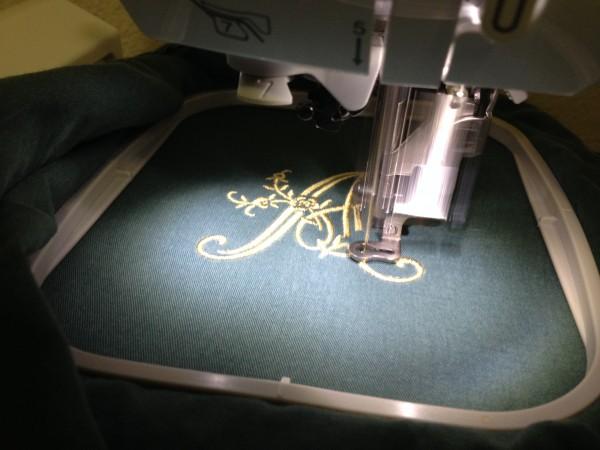
Introduction
You’ve created something special. It might be a sharp company logo, a custom graphic for an event, or a meaningful piece of personal art. On screen, it looks perfect. But the dream is to see it rendered in thread—textured, tangible, and alive on a hat, bag, or jacket. This leap from digital pixels to physical stitches is where many creative visions falter. The barrier isn’t your imagination or your embroidery machine; it’s the complex translation process in between. This is where the expertise of a professional digitizer embroidery service becomes your most valuable creative partner. These specialists do more than convert files; they engineer your artwork for the unique medium of thread, ensuring the final embroidered piece captures the spirit and quality of your original design. Partnering with the right service transforms frustration into flawless execution, turning your artwork into a wearable, lasting form of expression.
The Art-to-Stitch Gap: Why Your Digital File Isn't Enough
It’s a common misconception: if you can save an image as a JPG, you can embroider it. This belief leads directly to disappointing results—puckered fabric, blurry details, and colors that blend into a messy blob. The core issue is a fundamental mismatch in language.
Your digital artwork is a visual guide. It’s made for a backlit screen using pixels and color blends. Embroidery, however, is a 3D manufacturing process. It uses physical thread that interacts with fabric under tension, building shapes with specific stitch types. An embroidery machine doesn’t understand a picture; it needs a set of precise, sequential commands: where to place each needle drop, when to change threads, and how to stabilize the material.
A professional digitizer embroidery service acts as the expert translator and engineer. They interpret your visual guide and write the detailed manufacturing blueprint—the stitch file—that tells the machine exactly how to recreate your art in its new textile form.
The Transformation Process: What a Professional Service Actually Does
So, what does this transformation entail? It’s a meticulous, step-by-step craft that blends technical precision with artistic sensibility.
1. Artwork Analysis & Strategic Consultation
The process begins with a critical eye. A skilled digitizer examines your file not as a finished product, but as a plan. They identify potential challenges: Are there lines too thin to stitch? Is text too small to be legible? Are there subtle color gradients that need to be simplified into solid thread colors? A good service will communicate these observations upfront, often suggesting optimizations to ensure the best possible stitched outcome. This collaborative consultation is the first sign you’re working with a professional, not just an order-taking website.
2. Engineering the Foundation: Underlay Stitches
This is the single most important technical step that separates amateur from professional results. Before any decorative top stitching begins, the digitizer programs a layer of underlay. Think of this as the foundation and framing of a house—it’s invisible in the final product but absolutely essential for stability. Underlay stitches:
-
Anchor the Fabric: They prevent shifting and the dreaded puckering that makes embroidery look cheap and homemade.
-
Create a Level Base: On fabrics like fleece or towels, they provide a firm surface so the top stitches don’t sink in.
-
Define Edges: They help crisp satin stitches and fills maintain their sharp, intended shape.
Skipping proper underlay is the #1 reason DIY conversions fail.
3. Assigning the "Thread Vocabulary": Stitch Types
A digitizer chooses from a palette of stitch types to recreate your artwork:
-
Satin Stitches: Glossy, column-like stitches used for text, borders, and any element needing a smooth, raised finish.
-
Fill Stitches: A tightly packed series of stitches that run in a set pattern (like brickwork) to cover larger areas, creating texture and density.
-
Run Stitches: Simple, single-needle lines perfect for fine details, delicate outlines, and shading.
The artistic choice of which stitch to use where dramatically affects the final look and feel of your design.
4. Compensating for Physics: Pull Compensation
Fabric is not a static canvas. As hundreds of stitches pull on it, the material distorts. A perfect circle in your digital file can easily sew out as an oval. A professional digitizer uses pull compensation, digitally adjusting shapes to counteract this physical pull. They pre-distort the design so the sewing process “squeezes” it back into the correct proportions. This foresight is what keeps your logos looking true to form.
5. Optimizing for Efficiency and Durability
Finally, the digitizer sequences the design for the smoothest machine run, minimizing thread trims and jumps. They set the perfect stitch density—balanced so the fabric doesn’t show through, but the design isn’t stiff as a board. This creates embroidery that is not only beautiful but also durable enough to withstand washing and wear.
The Tangible Benefits: What You Gain from Professional Transformation
Investing in a professional service yields returns that go far beyond a simple digital file.
-
A Premium, Polished Finish: Your artwork gains a tactile, high-quality dimension. Crisp edges, smooth satin stitches, and flat fills communicate professionalism and care, elevating simple apparel to branded merchandise.
-
Durability That Lasts: Professionally engineered files produce robust embroidery. The stitches hold fast, colors remain vibrant, and the design withstands the test of time and laundering, protecting your investment in custom gear.
-
Peace of Mind and Time Savings: Instead of spending hours fighting with software, watching tutorials, and wasting materials on test runs, you hand the technical challenge to an expert. You free up your time for design and creation, confident the production-ready file will work perfectly the first time.
-
Creative Collaboration: A great service acts as a consultant. They can advise on how to adapt a complex design for a small space (like a hat brim) or suggest color reductions that maintain impact while simplifying production.
Choosing the Right Transformation Partner
With many services available, selecting the right one is key. Look for these hallmarks of quality:
-
A Portfolio of Stitch-Outs, Not Just Software Previews: They should proudly show photos of their digitized work on actual fabric, not just colorful screenshots. Look for clean, flat embroidery.
-
A Consultative Approach: They should ask detailed questions about your target fabric (e.g., “Is this for a stiff cap or a stretchy polo?”) and the intended size. If they don’t ask, they aren’t optimizing.
-
Clear Communication and Revision Policy: They should explain their process and offer a clear revision policy (typically 1-2 free rounds) to fine-tune the file after a test stitch, ensuring your complete satisfaction.
-
Reasonable Turnaround, Not "Instant": Quality digitizing is thoughtful work. A 24-48 hour turnaround is standard; “10-minute service” is a red flag for fully automated, low-quality work.
The Journey from Your Screen to the Sewing Machine
The transformation journey is straightforward when you have the right guide:
-
Submit Your Best Artwork: Provide a high-resolution file (vector AI/EPS is ideal, but a clear PNG/JPG works).
-
Provide Specifications: Detail the garment type, desired size, and any special notes.
-
Receive Your Engineered File: The service delivers a clean, optimized embroidery file (like .DST or .PES) tailored to your needs.
-
Test and Approve: Always run a test stitch on scrap fabric. A reputable service will happily make minor adjustments based on your feedback.
-
Stitch with Confidence: Load the final file and create your masterpiece, knowing the technical execution is flawless.
Conclusion
Your artwork deserves to be seen in its best possible light—or rather, in its best possible stitch. A professional digitizer embroidery service provides the essential expertise to navigate the complex transition from digital art to textile masterpiece. They bring the engineering, the physics, and the craft, allowing you to bring the vision. By investing in this crucial partnership, you transform not just a file, but the very perception of your brand or creative project. You move from hoping a design will stitch out to knowing it will impress. Don’t let a technical gap limit your creativity. Hand your artwork to a professional digitizer and watch it be transformed into something you can truly touch, wear, and be proud of.

 English
 Arabic
 French
 Spanish
 Portuguese
 Deutsch
 Turkish
 Dutch
Dutch
 Italiano
 Russian
 Romaian
 Greek
Greek