


Dependent KITAS & Indonesia Visa Guide for Pakistani Families
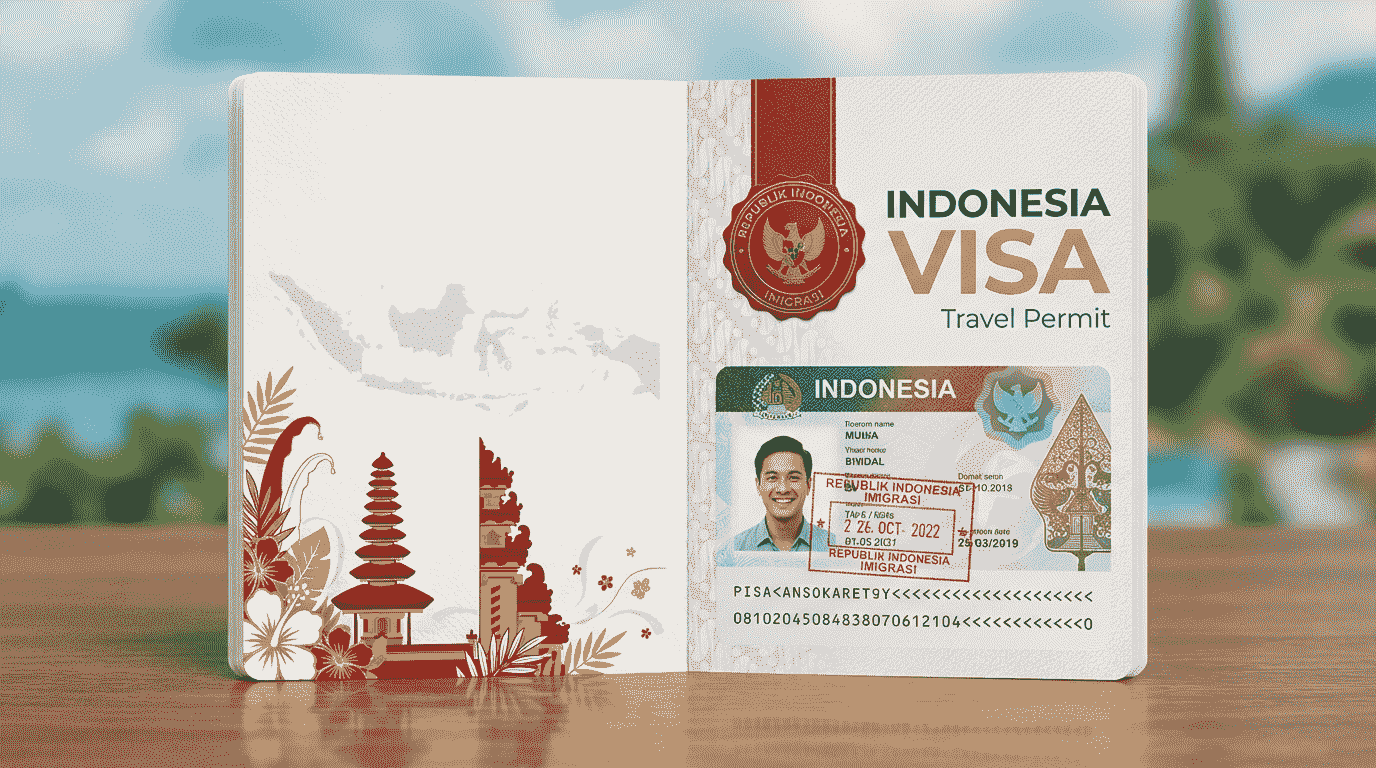
Understanding Dependent KITAS and Indonesia Visa Rules for Pakistani Families
The Indonesia Visa system offers multiple pathways for Pakistani citizens who plan to live in Indonesia with their families, whether for work, study, or long-term residency. Among these options, the Dependent KITAS, also known as the Temporary Stay Permit for dependents, is the most important document for spouses and children who want to reside legally in the country. With Indonesia becoming an increasingly attractive destination for Pakistani professionals, students, and expatriate families, understanding how Dependent KITAS works—and how it connects to broader visa rules—is essential for smooth relocation and long-term settlement.
Whether a family is moving because the primary applicant holds a work visa, student visa, or business residency, the KITAS framework defines how dependents can stay, study, and access local services. The process requires careful attention to documentation, sponsorship rules, and compliance with Indonesian immigration regulations.
What Is a Dependent KITAS?
A Dependent KITAS is a Temporary Stay Permit issued to the spouse and children of a foreigner legally residing in Indonesia. The primary visa holder must have one of the following:
-
Work KITAS (for employees in Indonesia)
-
Student KITAS (for university-level students)
-
Investment KITAS
-
Family/Spousal KITAS (for those married to an Indonesian national)
Pakistani citizens planning to relocate often fall under the Work KITAS or Student KITAS categories. Dependents—including spouse and children under 18—can legally join them by applying for a Dependent KITAS.
Eligibility Criteria for Pakistani Families
Each dependent must meet specific conditions to qualify:
Spouse Eligibility
A legally married spouse can apply, supported by a marriage certificate recognized by Indonesian immigration. Pakistani-issued marriage certificates must be attested and translated where required.
Children Eligibility
Children under 18 years old or unmarried children with special needs can apply as dependents. Pakistani birth certificates must undergo verification and translation to Bahasa Indonesia or English.
Primary Visa Requirement
The primary applicant must hold a valid KITAS with sufficient validity left, usually at least 6 months, to sponsor dependents.
This aligns with immigration rules across countries such as Malaysia, Singapore, Turkey, and the United Kingdom, where dependent visas rely on the legal status of the primary resident.
Documents Required for Dependent KITAS (For Pakistani Citizens)
Documentation is the backbone of successful KITAS approval. Applicants generally need:
From the Primary KITAS Holder
-
Passport copy (minimum 18 months validity recommended)
-
Valid KITAS or e-KITAS
-
Sponsor letter from employer, educational institution, or investment sponsor
-
Domicile letter (proof of residence in Indonesia)
From the Dependent (Spouse or Child)
-
Passport copy with sufficient validity
-
Passport-size photographs
-
Marriage certificate (for spouse)
-
Birth certificate (for children)
-
Police clearance certificate (recommended for older dependents)
-
Translation of documents if required by immigration
Additional Embassy Requirements
Pakistani applicants may need attestation from:
-
Pakistan Ministry of Foreign Affairs
-
Indonesian Embassy/Consulate
-
Local NADRA verification
These steps are similar to documentation standards followed for other countries such as Malaysia, Saudi Arabia, Sri Lanka, and Canada, ensuring global compliance.
Application Steps for Dependent KITAS
Step 1: Submit Telex Approval (Calling Visa)
Before dependents enter Indonesia, the sponsor must apply for Telex Approval through the Indonesian Directorate General of Immigration. This approval allows the dependent to receive their visa.
Step 2: Collect Visa from Indonesian Embassy
Using the telex approval, dependents visit the nearest Indonesian Embassy—usually in Islamabad, Karachi, or via designated embassy routes. Required documents and visa fees are submitted here.
Step 3: Enter Indonesia and Register
Upon arrival, dependents must register with immigration. Fingerprints, photographs, and identity verification are completed during this stage.
Step 4: Receive Dependent KITAS
Once approved, the dependent receives:
-
e-KITAS (digital permit)
-
STM (Police Registration Letter)
-
SKTT (Temporary Resident ID)
Processing time usually ranges from 2 to 4 weeks.
Sponsorship Rules for Dependent KITAS
Employer as Sponsor
If the primary applicant holds a Work KITAS, the employer is responsible for sponsoring both the primary applicant and dependents.
University as Sponsor
Pakistani students enrolled in Indonesian universities can sponsor their spouse and children, though additional financial proof is often required.
Indonesian Spouse as Sponsor
Married Pakistani citizens can obtain a Family KITAS through their Indonesian partner, a pathway often leading to long-term residency.
Financial Requirements for Pakistani Families
Indonesian immigration evaluates whether the primary applicant can support dependents. Common financial proofs include:
-
Updated bank statements
-
Salary slips (for Work KITAS holders)
-
University financial guarantee (for Student KITAS holders)
-
Savings or remittance records from Pakistan
-
Sponsorship guarantee from Indonesian spouse
Pakistani applicants should prepare clean, traceable financial documentation to avoid processing delays.
Rights and Limitations of Dependent KITAS Holders
What Dependents Can Do
-
Live legally in Indonesia
-
Enroll children in international or local schools
-
Access domestic travel and residence permits
-
Open bank accounts (in some cases)
-
Apply for long-term extensions
What They Cannot Do
-
Work in Indonesia without a separate work permit
-
Conduct business activities
-
Overstay the KITAS validity period
These rules are similar to dependent regulations in Oman, Qatar, and Australia, ensuring consistent global immigration practices.
Indonesia Visa Extensions for Pakistani Families
Dependent KITAS holders can extend their stay annually. Extension requires:
-
Updated passport
-
Valid primary KITAS
-
Updated sponsor documents
-
Proof of residence
-
Immigration fee payments
Families planning long-term stay often convert KITAS to KITAP, the permanent residence permit, after several years.
Common Reasons for Rejection for Pakistani Applicants
-
Incomplete marriage or birth certificate attestation
-
Discrepancies in names or spellings on Pakistani documents
-
Insufficient financial proof
-
Expired primary KITAS
-
Delayed sponsor documents
-
Unclear purpose or mismatched visa category
Maintaining accurate documentation and preparing early significantly reduces risks.
Conclusion
For Pakistani families planning to live in Indonesia, understanding Dependent KITAS rules is essential to ensure a smooth and lawful stay. From establishing eligibility to preparing documents and meeting sponsorship requirements, each stage must be handled carefully. With proper preparation, Pakistanis can enjoy family life, education, or long-term residence in Indonesia without complications. For a streamlined and professional experience throughout the application process, many applicants choose reliable assistance from Worldwide Visa Service.

 English
 Arabic
 Spanish
 Portuguese
 Deutsch
 Turkish
 Dutch
Dutch
 Italiano
 Russian
 Romaian
 Portuguese (Brazil)
 Greek
Greek