


Bed Bug Heat Treatment: Connecticut’s Smart Solution for Lasting Pest Control
Introduction
Nothing derails your peace at home or productivity at work like a bed bug sighting. Those tiny pests can multiply quietly, cause itchy bites, and turn a good night’s sleep into a stressful experience. In Connecticut’s humid summers and cold winters, bed bugs often thrive indoors, hiding in cracks, luggage, and furniture.
That makes effective pest management essential for both homeowners and businesses alike. One of the most reliable solutions professionals trust is bed bug heat treatment, a strategy that uses heat rather than chemicals to eliminate bed bugs at every life stage. Compared to traditional pesticide treatments, heat can reach into hiding spots and deliver consistent results, making it a preferred choice in many Connecticut communities.
In this article, we’ll walk through how bed bug heat treatment works, why it’s often more effective than other methods, and how Connecticut’s climate and housing trends influence infestations. You’ll also find expert tips, common mistakes to avoid, and guidance on finding the Best bed bug heat treatment in CT USA for your situation.
How Bed Bug Heat Treatment Works and Why It’s Effective
What Is Bed Bug Heat Treatment?
Bed bug heat treatment is a non-chemical pest control method that raises indoor temperatures to levels lethal for bed bugs. Professionals use specialized equipment to heat infested spaces to around 120–140°F (49–60°C) throughout every room. This treatment targets all stages of bed bug life cycles — from eggs to adults — something chemical sprays sometimes struggle to achieve.
Why Heat Over Chemicals?
-
No pesticides means safer for sensitive individuals and pets.
-
Penetrates hiding spots like wall voids, baseboards, and furniture seams.
-
Quick turnaround with most treatments completed in a single day.
Experts with decades in pest management highlight that heat’s uniform reach often provides faster results compared to spot sprays alone. Connecticut’s older homes and multi-unit buildings can benefit especially from this comprehensive approach.
The Science Behind Thermal Kill Zones
Bed bugs begin dying within minutes at these high temperatures. Heat also forces bugs out of hiding, increasing exposure and effectiveness. This is important in New Haven, Hartford, Fairfield, and other urban Connecticut areas where cluttered spaces can shelter pests.
Connecticut’s Pest Environment: Why Bed Bugs Are Common
Climate and Urban Living
Connecticut’s weather swings — warm, humid summers and insulated, heated homes in winter — create ideal conditions for bed bugs to thrive indoors. These pests don’t rely on outdoor climates but spread via human movement. Homes, apartments, schools, and offices all present opportunities. According to pest control experts, travel and secondhand furniture are two leading causes of introduction.
Seasonal Trends
-
Spring and summer: More travel increases bed bug spread.
-
Fall and winter: Indoor gatherings and closed windows concentrate exposure.
Recognizing these patterns helps homeowners stay vigilant and act sooner.
Common Infestation Spots in Connecticut Properties
-
Mattresses and box springs
-
Upholstered furniture and curtains
-
Behind baseboards and electrical outlets
-
Shared laundry rooms in apartments
Understanding local risk helps tailor your prevention and treatment plans.
Signs You Need Bed Bug Heat Treatment
Early Detection Saves Time and Money
Not every bite means bed bugs, but certain clues should raise alarms:
-
Small, dark spots on bedding
-
Tiny, reddish bites in clusters
-
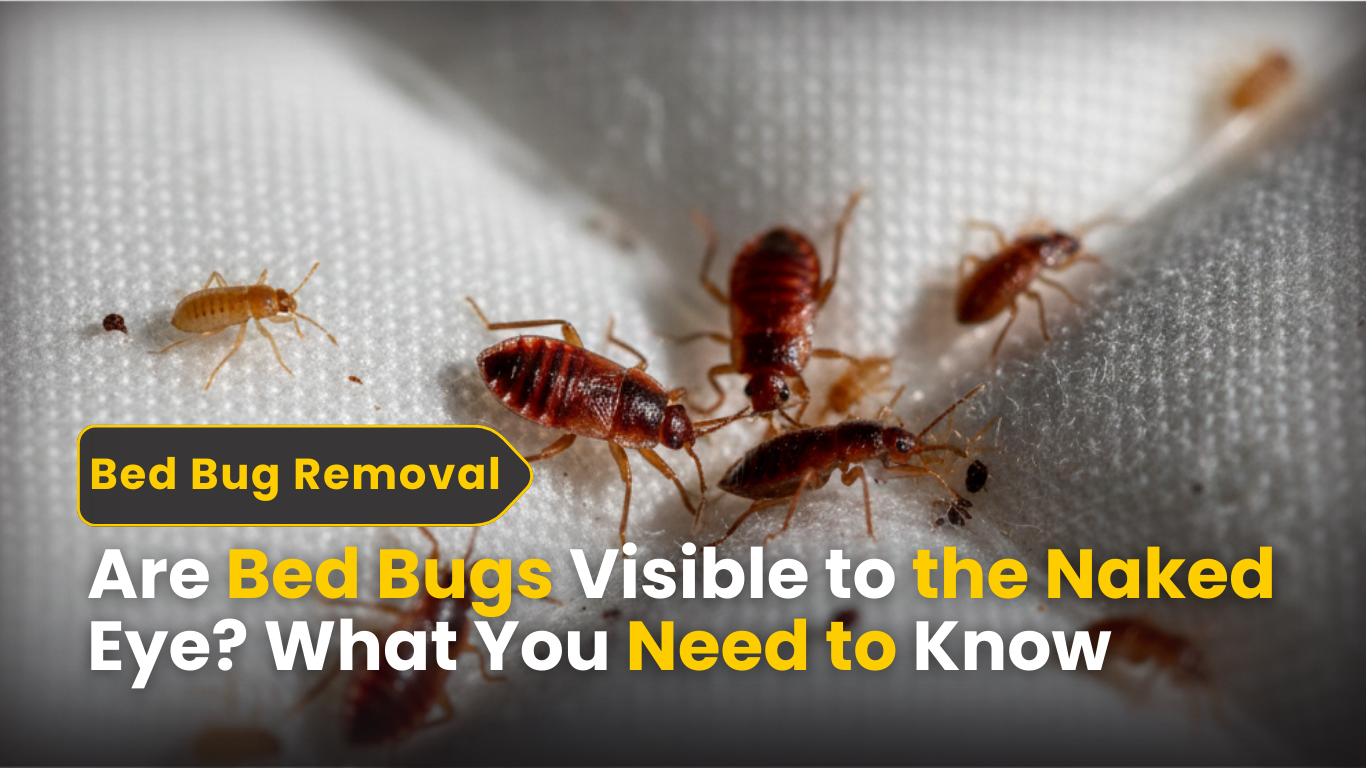
Shed skins and live bugs in mattress seams
-
Musty, sweet scent in the room
If you notice these, it’s time to act.
When DIY Approaches Fall Short
Home remedies like sprays, powders, or essential oils may reduce some visible insects but rarely eliminate eggs or deep hiding populations. Experts with 40+ years of pest management experience warn that partial treatments often delay real solutions and escalate infestations. If infestation signs persist after DIY actions, professional heat treatment is usually the next best option.
What to Expect During Professional Heat Treatment
Before the Treatment
A licensed technician will:
-
Inspect the property
-
Identify infestation extent
-
Prepare spaces by removing heat-sensitive items
They’ll also review safety protocols and set expectations.
During the Process
Specialized heaters and fans raise room temperatures. Temperatures are monitored to ensure safe, effective exposure.
Sample steps:
-
Seal off rooms
-
Place heaters strategically
-
Monitor heat distribution
-
Maintain lethal temperatures for several hours
After Treatment
Once the session is complete:
-
The team ventilates the space
-
You can return within hours
-
A follow-up check may be scheduled
Proper preparation and follow-up often determine success.
Link for Professional Scheduling
For Connecticut homes and businesses, connect with experts today here:
Schedule professional inspection and treatment
5 Expert Tips for How to Prepare for Bed Bug Heat Treatment
1. Declutter Early
Clutter limits heat circulation. Clear floors, remove unnecessary textiles, and organize belongings before technicians arrive.
2. Protect Heat-Sensitive Items
Remove wax items, electronics, medications, and temperature-sensitive belongings. If unsure, ask your technician.
3. Launder Fabrics on High Heat
Wash bedding, curtains, and clothing on the hottest settings safe for the fabric and hold them in sealed, clean containers until after the treatment.
4. Seal Cracks and Crevices
Caulk baseboards or repair peeling wallpaper. This helps heat retention and limits future bug hideouts.
5. Prepare Pets and People
Keep pets at a safe distance during treatment and follow technician guidance on re-entry times.
6. Communicate with Your Technician
Discuss any prior treatments, ongoing issues, or specific concerns with your team before they begin.
7. Ask for a Follow-Up Plan
Effective control might include a re-inspection 1–2 weeks later, especially in heavily infested properties. These simple steps streamline treatment and increase success rates.
Common Mistakes Homeowners Make
Misconception 1: “I Can Treat Bed Bugs with Sprays Alone”
Most sprays don’t reach hidden eggs. Heat reaches into furniture seams, electrical boxes, and wall voids where sprays can’t. Professionals with decades in pest management stress this difference.
Misconception 2: “Heat Treatment Is Too Expensive”
While upfront costs might seem higher than sprays, heat treatment often eliminates the need for repeated services. Over time, it can cost less than ongoing chemical applications.
Misconception 3: “Only Dirty Homes Get Bed Bugs”
Bed bugs are equal-opportunity pests. Clean houses and luxury hotels alike can get them. They hitchhike on luggage and clothing.
Frequently Asked Questions
Q: Will bed bug heat treatment harm my electronics?
A: Technicians protect these items or advise removing them. Proper preparation mitigates damage.
Q: How long does the process take?
A: Most treatments finish in one day, though time depends on property size and infestation level.
Q: Can bed bugs return after treatment?
A: Yes, reinfestation is possible if new bugs enter from outside. Ongoing prevention matters.
Choosing the Best Bed Bug Heat Treatment in Connecticut
What to Look For
When searching for the Best bed bug heat treatment in CT USA, focus on:
-
Licensed and insured pest control companies
-
Years of experience, especially with heat treatments
-
Local Connecticut references and reviews
-
Clear inspection and follow-up processes
Why Local Expertise Matters
Experienced technicians in CT understand:
-
How Connecticut’s climate affects pest behavior
-
Seasonal travel peaks that increase bed bug spread
-
Building types common in your area
This leads to faster detection and more effective treatment plans.
Practical Prevention After Treatment
Maintain Good Habits
Even after successful heat treatment:
-
Inspect luggage after travel
-
Use mattress covers rated for bed bugs
-
Reduce clutter in bedrooms
-
Monitor with passive interceptor traps
Regular Checks in Shared Spaces
In apartment buildings or hotels:
-
Conduct periodic inspections
-
Educate occupants about signs
-
Respond quickly to early reports
Proactive monitoring helps keep infestations from returning.
Conclusion
Bed bug heat treatment is one of the most reliable and effective ways to eliminate persistent infestations in Connecticut homes and businesses. By understanding how heat works, preparing your space, choosing experienced professionals, and staying vigilant afterward, you can protect your property and peace of mind. Looking for trusted resources or a customized treatment plan? Check out this helpful guide for commercial pest solutions: Have you noticed early signs of bed bugs, or are you planning your next step? What concerns would you like expert advice on?

 English
 Arabic
 French
 Spanish
 Portuguese
 Deutsch
 Turkish
 Dutch
Dutch
 Russian
 Romaian
 Portuguese (Brazil)
 Greek
Greek