Top 7 Signs You Should Consult a Clinical Dermatologist in Kharadi
For residents and corporate professionals across Upper Kharadi, Hadapsar, Viman Nagar, and Pune, managing everyday skin and scalp concerns often begins at the cosmetics counter or local pharmacy. While basic hydrating cleansers and sunscreens form the backbone of routine skin maintenance, persistent skin conditions require more than trial-and-error retail products.
Knowing when to transition from self-care trends to an experienced dermatologist in Kharadi saves time and money while protecting your skin barrier from long-term damage. Here are seven clear indicators that it is time for a medical evaluation.
1. Deep, Painful Breakouts Along the Jawline & Chin
If your acne consists of painful, deep-seated cysts rather than superficial whiteheads, over-the-counter spot treatments will not solve the issue.
Lower-face cystic breakouts are typically driven by androgen sensitivity, elevated workplace stress (cortisol spikes), and internal inflammation. A clinical dermatologist diagnoses the systemic triggers and prescribes medical-grade retinoids, oral anti-androgens, or targeted chemical peels to treat the root cause without scarring.
When to Transition to Clinical Care
│
┌────────────────────────────┴────────────────────────────┐
▼ ▼
Mild Surface Issues (OTC Care) Root-Cause Pathology (Clinical Care)
• Superficial Dryness • Deep Cystic Acne / Jawline Nodules
• Minor Surface Tanning • Resistant Symmetrical Melasma
• Basic Hygiene Cleansing • Rapid Hair Line Receding / Thinning
2. Stubborn Symmetrical Pigmentation (Melasma)
Dark, brownish patches spreading across your cheeks, forehead, or upper lip are often symptoms of Melasma rather than simple sun tanning.
Using generic brightening creams or undergoing high-heat salon procedures on Indian skin (Fitzpatrick Types III–V) can trigger rebound hyperpigmentation. A dermatologist uses digital dermoscopy to determine pigment depth and prescribes safe tyrosinase inhibitors (like Azelaic or Tranexamic Acid) alongside non-thermal Q-Switched Nd:YAG Laser Toning.
3. Persistent Skin Tightness, Stinging, & Hard Water Damage
If your face feels raw, tight, or inflamed immediately after washing—even when using mild cleansers—your skin barrier is likely compromised.
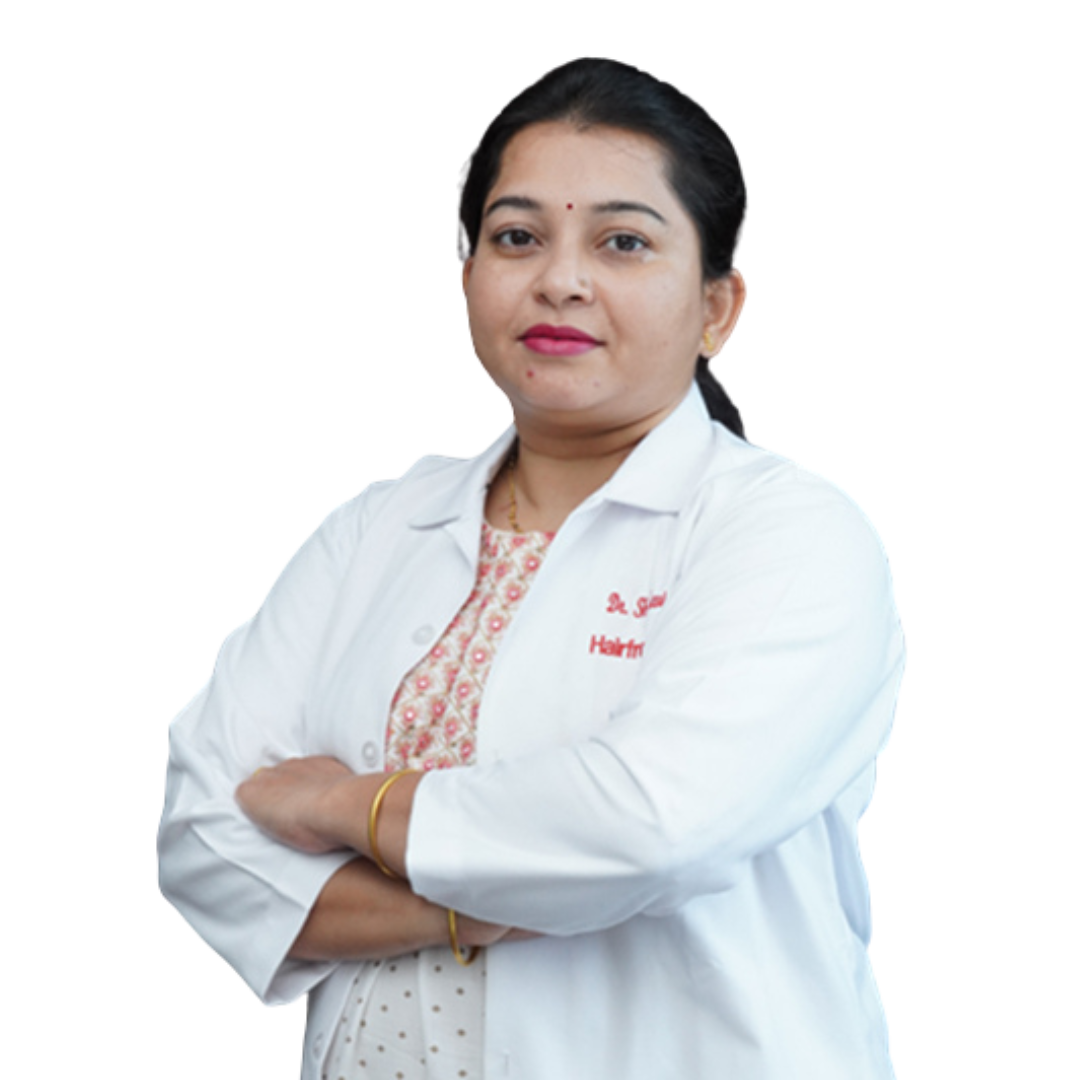
For digital dermoscopy evaluations, customized acne management, pigment reduction, and trichology protocols in Kharadi, book a consultation with Dr. Shridevi Lakhe at MediSkin Hair Clinic:
Dr. Shridevi L
akhe | Mediskin Hair Clinic | Dermatologist in Kharadi
Office No 1, M Floor, Soho by Panchshil Tower A Upper Kharadi Main Road opp. YOO VILLAS Kharadi Pune, Maharashtra 412207 India
Website:
https://mediskinhairclinic.com/Top 7 Signs You Should Consult a Clinical Dermatologist in Kharadi
For residents and corporate professionals across Upper Kharadi, Hadapsar, Viman Nagar, and Pune, managing everyday skin and scalp concerns often begins at the cosmetics counter or local pharmacy. While basic hydrating cleansers and sunscreens form the backbone of routine skin maintenance, persistent skin conditions require more than trial-and-error retail products.
Knowing when to transition from self-care trends to an experienced dermatologist in Kharadi saves time and money while protecting your skin barrier from long-term damage. Here are seven clear indicators that it is time for a medical evaluation.
1. Deep, Painful Breakouts Along the Jawline & Chin
If your acne consists of painful, deep-seated cysts rather than superficial whiteheads, over-the-counter spot treatments will not solve the issue.
Lower-face cystic breakouts are typically driven by androgen sensitivity, elevated workplace stress (cortisol spikes), and internal inflammation. A clinical dermatologist diagnoses the systemic triggers and prescribes medical-grade retinoids, oral anti-androgens, or targeted chemical peels to treat the root cause without scarring.
When to Transition to Clinical Care
│
┌────────────────────────────┴────────────────────────────┐
▼ ▼
Mild Surface Issues (OTC Care) Root-Cause Pathology (Clinical Care)
• Superficial Dryness • Deep Cystic Acne / Jawline Nodules
• Minor Surface Tanning • Resistant Symmetrical Melasma
• Basic Hygiene Cleansing • Rapid Hair Line Receding / Thinning
2. Stubborn Symmetrical Pigmentation (Melasma)
Dark, brownish patches spreading across your cheeks, forehead, or upper lip are often symptoms of Melasma rather than simple sun tanning.
Using generic brightening creams or undergoing high-heat salon procedures on Indian skin (Fitzpatrick Types III–V) can trigger rebound hyperpigmentation. A dermatologist uses digital dermoscopy to determine pigment depth and prescribes safe tyrosinase inhibitors (like Azelaic or Tranexamic Acid) alongside non-thermal Q-Switched Nd:YAG Laser Toning.
3. Persistent Skin Tightness, Stinging, & Hard Water Damage
If your face feels raw, tight, or inflamed immediately after washing—even when using mild cleansers—your skin barrier is likely compromised.
For digital dermoscopy evaluations, customized acne management, pigment reduction, and trichology protocols in Kharadi, book a consultation with Dr. Shridevi Lakhe at MediSkin Hair Clinic:
Dr. Shridevi Lakhe | Mediskin Hair Clinic | Dermatologist in Kharadi
Office No 1, M Floor, Soho by Panchshil Tower A Upper Kharadi Main Road opp. YOO VILLAS Kharadi Pune, Maharashtra 412207 India
Website: https://mediskinhairclinic.com/