
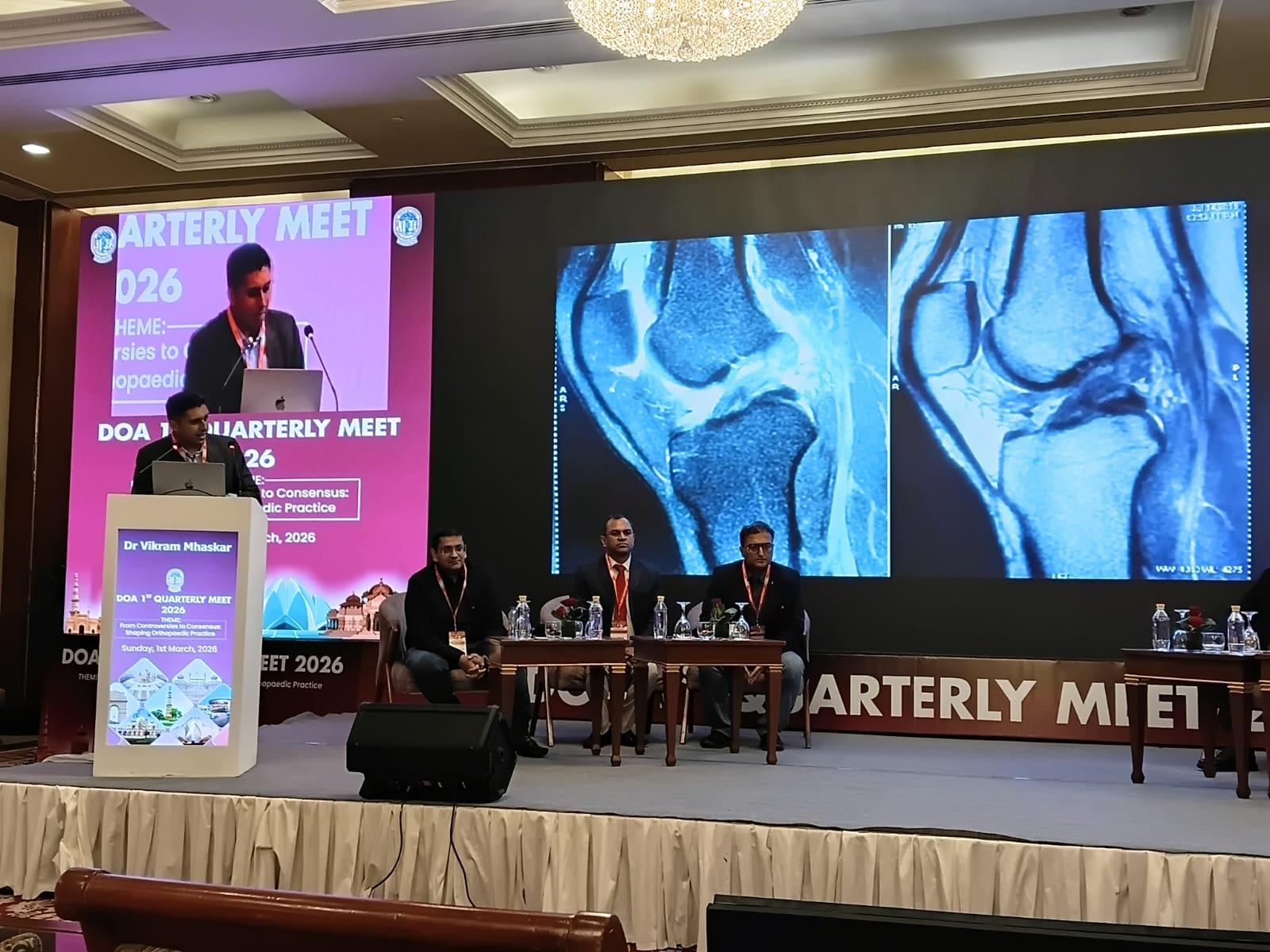
Recovery Timeline After Knee Replacement Surgery

Recovery Timeline After Knee Replacement Surgery
Knee replacement surgery is a life-changing procedure for individuals suffering from severe knee pain and joint damage. While the surgery itself is an important step toward improved mobility, the recovery process plays an equally crucial role in achieving long-term success. Many patients are curious about how long recovery takes and what they can expect at each stage after the procedure.
Understanding the recovery timeline helps patients prepare mentally and physically for the rehabilitation journey. According to orthopedic specialists like Prof. Dr. Bhalla, proper post-surgery care, physiotherapy, and patience are essential for achieving the best outcomes after knee replacement surgery.
In this article, we will explain the typical recovery timeline after knee replacement surgery, including what patients can expect in the days, weeks, and months following the procedure.
Immediately After Surgery (Day 1–3)
The first few days after knee replacement surgery are focused on pain management, monitoring recovery, and beginning gentle movement.
Most patients remain in the hospital for a short period during this stage. Doctors and nurses carefully monitor vital signs and ensure the surgical site is healing properly.
During this phase, patients can expect:
-
Pain management with medications
-
Assistance with standing and walking
-
Gentle knee movement exercises
-
Monitoring for swelling or complications
Physical therapists often begin guided movement exercises within 24 hours after surgery. Early movement helps improve blood circulation and reduces the risk of complications such as blood clots.
According to Prof. Dr. Bhalla, starting rehabilitation early is one of the most important steps toward a successful recovery.
First Week After Surgery
During the first week, the primary goal is to increase mobility and begin strengthening the knee joint.
Most patients are discharged from the hospital and continue recovery at home or in a rehabilitation facility. Walking with the help of a walker or crutches is usually encouraged.
Common experiences during this period include:
-
Mild to moderate swelling around the knee
-
Gradual improvement in walking ability
-
Daily physiotherapy exercises
-
Continued use of pain medications if needed
Patients are also advised to keep the leg elevated and apply ice packs to reduce swelling.
Regular movement and following medical instructions carefully are essential for a smooth recovery during this stage.
Weeks 2 to 4: Improving Strength and Mobility
By the second to fourth week, many patients begin to notice significant improvement in mobility and reduction in pain.
Physiotherapy becomes a central part of recovery during this stage. Exercises focus on strengthening the muscles around the knee and improving flexibility.
During this period, patients may:
-
Walk longer distances with assistance
-
Gradually reduce the use of walking aids
-
Perform structured rehabilitation exercises
-
Improve the range of motion in the knee
Swelling may still be present, but it typically decreases gradually with proper care and rest.
Experts like Prof. Dr. Bhalla emphasize that consistent physiotherapy is crucial during this stage to restore normal knee function.
Weeks 4 to 6: Returning to Daily Activities
Around one month after surgery, many patients experience greater independence in daily activities.
While recovery speed can vary depending on age, health, and physical condition, patients often begin to perform routine tasks with less discomfort.
Typical improvements during this stage include:
-
Walking with minimal or no support
-
Improved balance and joint stability
-
Increased flexibility in the knee
-
Ability to perform light household activities
Patients are usually encouraged to continue physiotherapy exercises and gradually increase activity levels under medical supervision.
Weeks 6 to 12: Significant Recovery Progress
Between six and twelve weeks after surgery, most patients experience major improvements in strength, mobility, and confidence in using the new knee joint.
During this stage:
-
Pain and stiffness continue to decrease
-
Walking becomes easier and more natural
-
Many patients resume normal daily activities
-
Driving may be possible with medical approval
Low-impact physical activities such as walking, stationary cycling, and swimming are often recommended to maintain joint flexibility and strength.
According to Prof. Dr. Bhalla, staying active while avoiding excessive strain on the knee helps promote long-term recovery.
Three to Six Months After Surgery
By the three- to six-month mark, the majority of patients have regained significant knee function and improved mobility.
At this stage, patients typically:
-
Walk comfortably without assistance
-
Perform daily activities with minimal discomfort
-
Participate in light recreational activities
-
Experience improved quality of life
Although the knee continues to strengthen during this period, maintaining an active lifestyle and following exercise recommendations remains important.
Six Months to One Year: Full Recovery
Complete recovery from knee replacement surgery can take six months to one year. During this time, the knee joint continues to heal and adapt to the artificial implant.
By the end of the recovery period, most patients experience:
-
Minimal or no knee pain
-
Stable and smooth joint movement
-
Ability to perform daily activities comfortably
-
Improved overall mobility and independence
Patients are encouraged to maintain healthy habits such as regular exercise, weight management, and periodic follow-up visits with their orthopedic specialist.
Experts like Prof. Dr. Bhalla emphasize that long-term care and lifestyle adjustments can help extend the lifespan of the artificial knee joint.
Tips for a Faster and Safer Recovery
Successful recovery depends on several factors, including patient commitment to rehabilitation. Some important tips include:
-
Follow physiotherapy exercises regularly
-
Keep the surgical area clean and protected
-
Maintain a healthy weight to reduce joint stress
-
Avoid high-impact activities during recovery
-
Attend all follow-up appointments with your doctor
These steps can significantly improve recovery outcomes and help patients regain confidence in their mobility.
When to Contact Your Doctor
Although complications after knee replacement surgery are rare, patients should contact their doctor if they experience:
-
Severe swelling or redness around the knee
-
Persistent fever
-
Increased pain that does not improve
-
Difficulty moving the joint
-
Signs of infection at the surgical site
Prompt medical attention can help address potential issues before they become serious.
Final Thoughts
Knee replacement surgery offers a highly effective solution for individuals suffering from severe knee pain and joint damage. However, the success of the procedure depends greatly on the recovery and rehabilitation process.
Understanding the recovery timeline after knee replacement surgery can help patients set realistic expectations and stay motivated throughout their healing journey. With proper medical guidance, physiotherapy, and consistent care, most patients can return to an active and comfortable lifestyle.
If you are considering knee replacement surgery or want to learn more about advanced orthopedic treatments, consulting an experienced specialist such as Prof. Dr. Bhalla can help you receive the right guidance and personalized care.
Google Map:- https://share.google/97VvSRsTmnAIdOzfy
Follow these links for more information:


