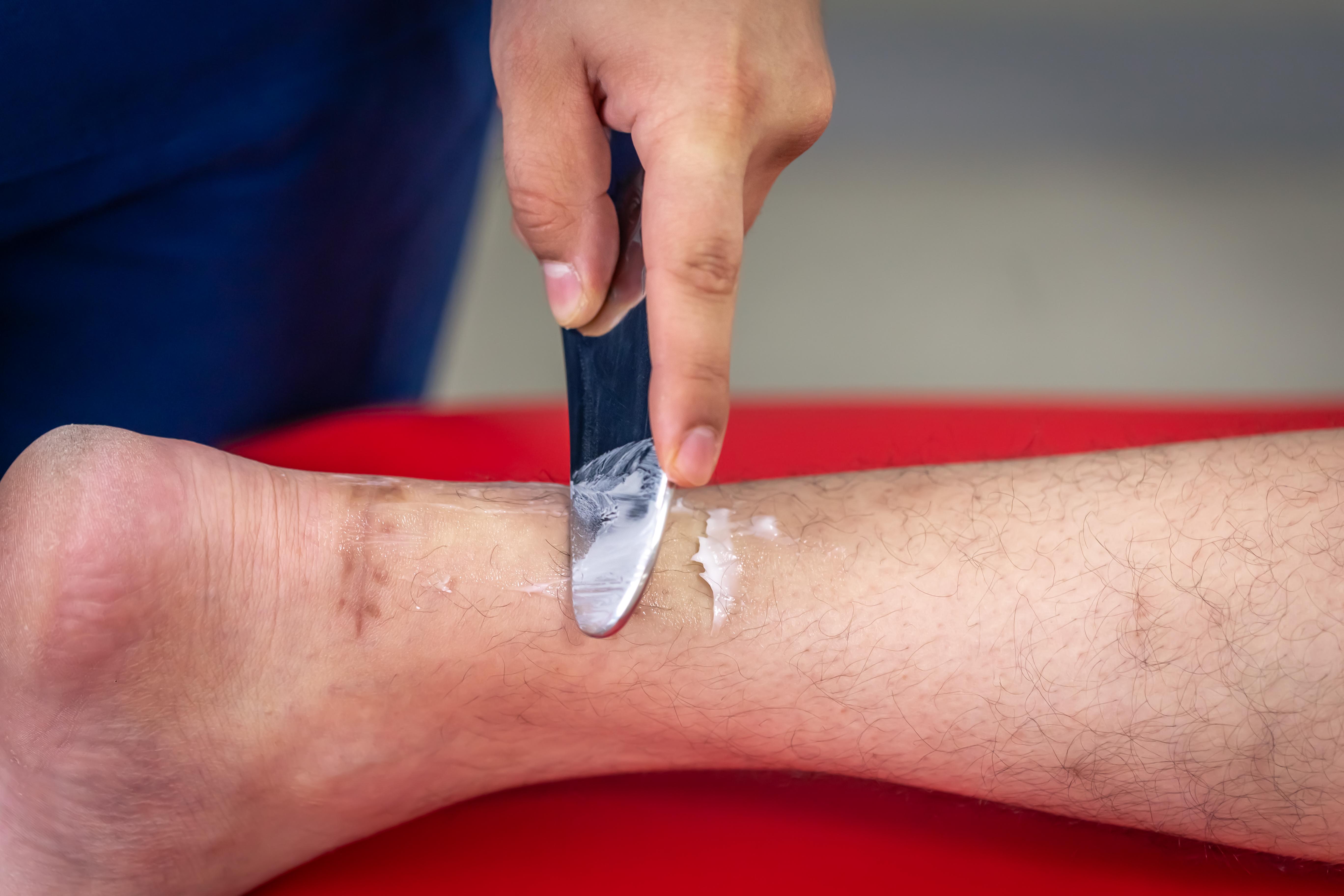
Diabetes can lead to several complications, and one of the most serious is the development of foot ulcers. These open sores typically occur on the bottom of the foot and can become difficult to heal if not treated properly. Because diabetes often damages nerves and blood vessels, the healing process may take longer and requires specialized care.
Modern medicine has introduced several advanced wound care techniques that improve healing outcomes and reduce the risk of complications. Understanding these modern methods of diabetic ulcers on feet treatment can help patients and caregivers make informed decisions about managing foot ulcers effectively.
What Are Diabetic Foot Ulcers?
Diabetic foot ulcers are open wounds that develop when the skin and underlying tissue break down. These ulcers are commonly caused by a combination of nerve damage, poor circulation, and repeated pressure on certain areas of the foot.
People with diabetes may not feel pain from minor injuries due to nerve damage. As a result, small cuts, blisters, or pressure points may go unnoticed and gradually develop into ulcers.
Without proper diabetic ulcers on feet treatment, these wounds can become infected and lead to serious complications.
Why Diabetic Foot Ulcers Require Specialized Treatment
Diabetic foot ulcers are more complex than ordinary wounds because diabetes affects the body's natural healing process. Several factors make these ulcers difficult to treat.
Reduced Blood Flow
Poor circulation limits the amount of oxygen and nutrients reaching the wound, slowing down healing.
Nerve Damage
Loss of sensation makes it difficult to detect injuries early.
High Blood Sugar Levels
Elevated glucose levels weaken the immune system and increase the risk of infection.
Because of these challenges, advanced diabetic ulcers on feet treatment methods are often required to support faster healing and prevent complications.
Traditional Methods of Treating Diabetic Foot Ulcers
Before exploring advanced techniques, it is important to understand the traditional treatments commonly used.
These include:
-
Cleaning and dressing the wound
-
Removing dead or infected tissue
-
Reducing pressure on the affected area
-
Managing infections
-
Controlling blood sugar levels
While these methods remain important, modern medical advancements have improved the effectiveness of diabetic ulcers on feet treatment.
Advanced Wound Care Techniques
Recent innovations in wound care have introduced new techniques that help improve healing rates and reduce complications.
Negative Pressure Wound Therapy
Negative pressure wound therapy is an advanced technique that uses controlled suction to remove excess fluid from the wound. This method helps improve blood circulation and promotes the growth of healthy tissue.
This technique has become a valuable option in modern diabetic ulcers on feet treatment.
Bioengineered Skin Substitutes
Bioengineered skin substitutes are specially designed materials that help replace damaged skin and encourage new tissue growth.
These products create an environment that supports faster healing and enhance the effectiveness of diabetic ulcers on feet treatment.
Growth Factor Therapy
Growth factors are natural proteins that stimulate cell growth and tissue repair. In some cases, these substances may be applied to wounds to encourage faster healing.
Growth factor therapy is another promising advancement in diabetic ulcers on feet treatment.
Hyperbaric Oxygen Therapy
This therapy involves breathing pure oxygen in a pressurized environment. The increased oxygen levels help improve blood flow and support tissue repair.
Hyperbaric oxygen therapy is often recommended for severe cases of diabetic ulcers on feet treatment.
Advanced Wound Dressings
Modern wound dressings are designed to maintain moisture, protect the wound from bacteria, and support the healing process.
These specialized dressings play a significant role in effective diabetic ulcers on feet treatment.
The Importance of Pressure Offloading
Pressure on the affected area can worsen diabetic foot ulcers and slow the healing process.
To address this issue, healthcare professionals may recommend:
-
Protective footwear
-
Orthotic devices
-
Foot braces
-
Specialized shoes
Reducing pressure on the wound is an essential part of successful diabetic ulcers on feet treatment.
Role of Blood Sugar Control in Healing
Blood sugar control is one of the most important factors in managing diabetic foot ulcers. High blood sugar levels slow down wound healing and increase the risk of infection.
Maintaining stable glucose levels helps improve the effectiveness of diabetic ulcers on feet treatment and promotes faster recovery.
Daily Foot Care for People with Diabetes
Good foot care habits play an important role in preventing ulcers and supporting healing.
Important foot care practices include:
Daily Foot Inspection
Checking the feet every day helps detect injuries early.
Proper Hygiene
Keeping the feet clean and dry reduces the risk of infection.
Moisturizing Dry Skin
Dry or cracked skin can lead to wounds that require diabetic ulcers on feet treatment.
Wearing Comfortable Shoes
Proper footwear protects the feet from pressure and friction.
Consistent foot care can significantly reduce the risk of complications.
Lifestyle Changes That Improve Healing
Certain lifestyle habits can support faster recovery and better foot health.
Balanced Nutrition
A diet rich in vitamins, minerals, and protein supports tissue repair.
Regular Physical Activity
Exercise improves blood circulation, which helps deliver oxygen and nutrients to the wound.
Avoid Smoking
Smoking restricts blood flow and slows the healing process.
These lifestyle adjustments enhance the effectiveness of diabetic ulcers on feet treatment.
Preventing Future Foot Ulcers
Prevention is an important part of diabetes management. Taking proactive steps can reduce the risk of developing foot ulcers.
Preventive strategies include:
-
Maintaining healthy blood sugar levels
-
Wearing protective footwear
-
Avoiding walking barefoot
-
Inspecting the feet regularly
-
Scheduling routine foot examinations
These measures help reduce the need for repeated diabetic ulcers on feet treatment.
When to Seek Medical Attention
It is important to seek professional care if you notice symptoms that may indicate a serious problem.
You should seek medical diabetic ulcers on feet treatment if you experience:
-
A wound that does not heal within a few days
-
Increasing redness or swelling
-
Pus or fluid draining from the wound
-
Severe pain or warmth around the ulcer
-
Dark or black tissue around the sore
Early treatment can prevent severe complications and improve healing outcomes.
Long-Term Foot Health Management
Managing diabetes effectively is essential for maintaining healthy feet. Long-term foot care involves regular monitoring, proper hygiene, and consistent blood sugar control.
Individuals who follow preventive measures and seek early diabetic ulcers on feet treatment when necessary can greatly reduce the risk of complications.
Conclusion
Diabetic foot ulcers are a serious health concern that requires prompt and effective care. While traditional treatments remain important, modern wound care techniques have significantly improved healing outcomes.
Advanced methods such as negative pressure wound therapy, specialized dressings, and oxygen-based therapies are transforming diabetic ulcers on feet treatment and helping patients recover faster.
By combining advanced medical care with proper lifestyle habits and preventive measures, individuals with diabetes can protect their feet and maintain better overall health.
FAQs
1. What are advanced techniques used in diabetic ulcers on feet treatment?
Advanced techniques include negative pressure wound therapy, bioengineered skin substitutes, growth factor therapy, specialized wound dressings, and oxygen-based therapies.
2. Why do diabetic foot ulcers take longer to heal?
Poor circulation, nerve damage, and high blood sugar levels slow down the healing process, making specialized diabetic ulcers on feet treatment necessary.
3. Can advanced wound care improve healing speed?
Yes, modern wound care techniques can improve blood flow, promote tissue growth, and enhance the effectiveness of diabetic ulcers on feet treatment.
4. How important is blood sugar control during treatment?
Maintaining stable blood sugar levels is essential because high glucose levels slow wound healing and increase infection risk.
5. How can diabetic foot ulcers be prevented?
Daily foot care, proper footwear, regular foot inspections, and good diabetes management can help prevent ulcers.
6. When should I seek medical care for a foot ulcer?
If a wound becomes painful, swollen, infected, or does not heal within a few days, professional diabetic ulcers on feet treatment should be sought immediately.