
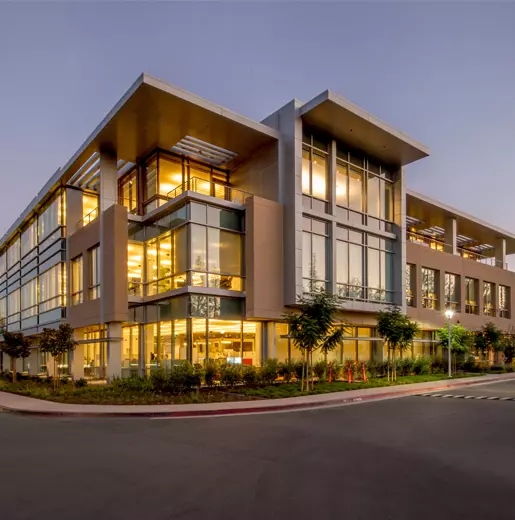
Key Factors That Influence Commercial Property Appraisal Value

Determining the true value of a commercial property requires careful analysis of multiple factors. A commercial property appraisal provides a professional evaluation that helps investors, lenders, and property owners understand how much a commercial property is worth in the current market. This process considers financial performance, market conditions, and the physical characteristics of the property.
Commercial properties vary widely in type and function. Office buildings, retail centers, warehouses, and mixed-use properties each have unique features that affect their valuation. Because of these differences, appraisers analyze several key factors before determining the final property value.
Location and Accessibility
Location is one of the most important elements influencing commercial property value. Properties located in prime business districts, commercial hubs, or high-traffic areas typically have higher market demand.
Accessibility also plays a significant role. Commercial properties with convenient transportation links, parking facilities, and visibility from major roads often attract more tenants and customers, increasing their value.
Property Size and Layout
The size of the building and its internal layout also affect valuation. Larger properties often have higher values, but usability and efficiency of space are equally important.
For example, office buildings with flexible floor plans or retail spaces with open layouts are more attractive to businesses, which can increase the property's overall value.
Income Potential
Income generation is a critical factor in commercial property valuation. Appraisers analyze rental income, lease agreements, and occupancy rates to determine how much revenue the property can generate.
Properties with stable tenants and long-term leases usually have higher valuations because they provide predictable income streams for investors.
Property Condition and Age
The physical condition of a building significantly impacts its value. Well-maintained properties with modern infrastructure, updated electrical systems, and energy-efficient features often receive higher valuations.
Older buildings may require renovation or maintenance, which can reduce their market value if significant repairs are needed.
Market Conditions
Real estate market trends also influence commercial property values. Economic growth, population increases, and business development in a particular area can lead to rising property values.
Conversely, economic downturns or declining business activity may negatively affect commercial real estate demand.
Zoning and Land Use Regulations
Local zoning regulations determine how a property can be used. Properties located in areas with flexible commercial zoning may have higher value because they offer more development opportunities.
For example, a property zoned for mixed-use development may attract investors interested in combining retail, office, and residential spaces.
Tenant Stability
Tenant stability is another critical factor in commercial real estate valuation. Properties with long-term tenants and reliable lease agreements are considered less risky investments.
A high vacancy rate can reduce property value because it indicates potential income instability.
Conclusion
Understanding the factors that influence property value helps investors and property owners make better financial decisions. A professional commercial property appraisal evaluates location, income potential, property condition, and market trends to determine an accurate value. By analyzing these key factors, a commercial property appraisal provides valuable insights that support successful commercial real estate investments.


