
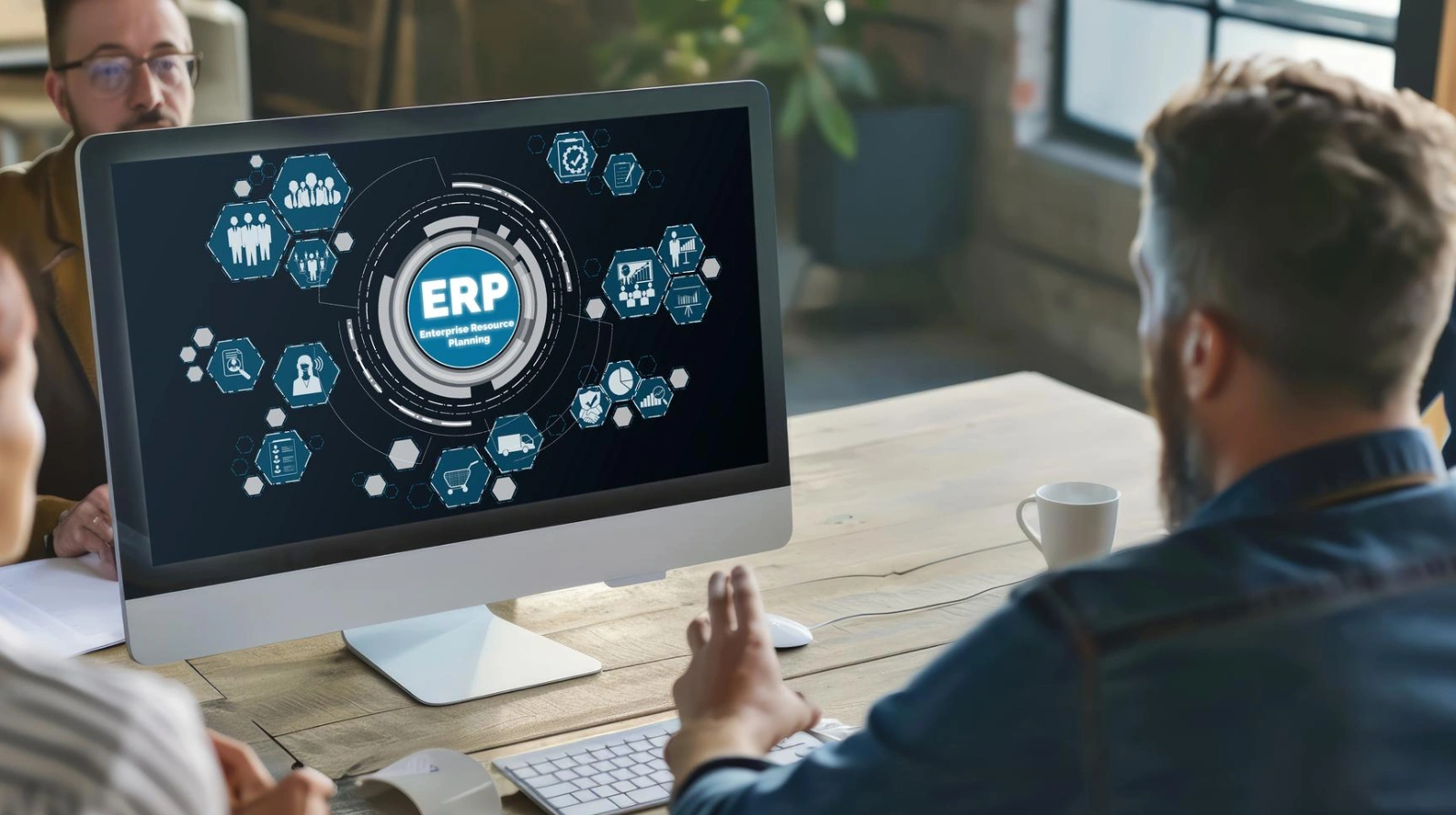
How ERP System Integration Can Help UK SMEs Streamline Their Operations

In today’s fast-paced business environment, UK small and medium-sized enterprises (SMEs) are constantly under pressure to improve efficiency, reduce costs, and enhance decision-making. One way to achieve this is through Enterprise Resource Planning (ERP) system integration. An ERP system integrates core business functions such as finance, HR, sales, inventory, and procurement into a single platform, allowing businesses to streamline their operations. In this blog post, we’ll explore how ERP system integration can help UK SMEs optimise their processes, improve productivity, and stay competitive.
What is ERP System Integration?
ERP system integration is the process of connecting various business functions—such as accounting, inventory management, and human resources—into a unified platform. Instead of relying on multiple disconnected software systems, an integrated ERP system centralises data and automates processes, providing a single source of truth for business operations. This results in more efficient workflows, fewer manual tasks, and real-time access to key business data.
Key Benefits of ERP System Integration for UK SMEs
-
Improved Operational Efficiency
For many SMEs, manual processes and disparate systems can lead to inefficiencies and errors. ERP system integration helps eliminate these challenges by automating routine tasks, reducing data duplication, and streamlining workflows. With an ERP system, businesses can automate invoicing, stock management, payroll, and reporting. This not only saves time but also improves accuracy, reducing the risk of costly mistakes. As a result, SMEs can focus on growth and innovation rather than spending time on manual, administrative tasks.
-
Enhanced Data Visibility and Decision-Making
A major advantage of ERP system integration is the real-time access to accurate data across all departments. With a centralised system, business owners and managers can quickly view key metrics such as sales performance, financial health, and inventory levels. This enables better decision-making based on up-to-date information, helping businesses respond to market trends and customer demands faster. Whether it’s tracking sales performance or monitoring cash flow, ERP systems provide a single platform where all relevant data is readily accessible.
-
Better Financial Management
Managing finances is a critical aspect of running any SME. ERP systems help streamline financial operations by automating accounting tasks such as invoicing, payroll, and budgeting. Integrated ERP systems also provide real-time financial data, making it easier for UK SMEs to track expenses, monitor cash flow, and generate reports. The ability to generate accurate financial statements quickly also helps businesses ensure compliance with UK tax regulations and avoid penalties.
-
Improved Inventory and Supply Chain Management
For SMEs in retail, manufacturing, or wholesale distribution, effective inventory management is essential. An integrated ERP system provides real-time tracking of inventory, helping businesses maintain optimal stock levels, reduce wastage, and prevent stockouts. By automating order processing and tracking shipments, businesses can also streamline their supply chain, reducing lead times and improving customer satisfaction. With accurate and up-to-date inventory data, SMEs can make informed decisions about procurement and sales strategies.
-
Seamless Collaboration Across Departments
In a growing SME, departments often work in silos, leading to communication gaps and inefficiencies. ERP system integration breaks down these barriers by providing a centralised platform where all teams can collaborate. Whether it’s marketing, sales, HR, or finance, each department can access and update data in real-time, improving cross-functional collaboration. This not only leads to more efficient operations but also helps improve employee satisfaction by reducing the need for redundant data entry and communication.
-
Scalability for Business Growth
As SMEs grow, so do the complexities of their operations. ERP systems are highly scalable, meaning they can grow with the business. Whether a company is expanding to new locations, adding new product lines, or increasing its workforce, an ERP system can be customised to meet changing business needs. ERP system integration ensures that SMEs can continue to operate efficiently as they scale, without the need for constant software upgrades or additional manual processes.
-
Improved Customer Service
Customer satisfaction is essential for the long-term success of any business. By streamlining operations and improving data visibility, ERP systems help SMEs provide better service to their customers. With real-time access to inventory data, businesses can fulfil orders more quickly, while automated invoicing and payment systems help reduce errors in billing. Additionally, ERP systems can help businesses track customer interactions, enabling better communication and personalised service.
How to Integrate ERP Systems Into Your Business
Integrating an ERP system requires careful planning and execution. To ensure a smooth transition, follow these key steps:
-
Choose the Right ERP System: Select a system that aligns with your business needs and industry requirements.
-
Engage Key Stakeholders: Involve decision-makers and department heads early to ensure the system covers all operational areas.
-
Plan for Data Migration: Audit existing data and ensure smooth integration with other business tools like CRM and payroll software.
-
Train Employees: Provide comprehensive training to employees so they can effectively use the new system.
-
Conduct a Pilot Test: Test the system with a small group to identify any issues before full deployment.
-
Monitor and Gather Feedback: Once the system is live, monitor its performance, gather user feedback, and make necessary adjustments.
Partnering with expert ERP system integration services in the UK can help you streamline operations, enhance productivity, and ensure a smooth, hassle-free integration process.
How Apex Accountants Support ERP System Integration
At Apex Accountants, we understand the complexities involved in ERP system integration and are here to guide your SME through every step of the process. Our team of experts provides tailored ERP integration services, ensuring that your business selects the right system, migrates data seamlessly, and trains employees effectively for a smooth transition. Whether you’re in retail, manufacturing, or professional services, our ERP solutions can streamline your operations, reduce costs, and improve productivity.
Conclusion
ERP system integration can significantly transform the way UK SMEs operate, driving efficiency, improving data visibility, and supporting better decision-making. By centralising key business functions, automating manual processes, and providing real-time access to critical data, ERP systems help businesses optimise their operations and stay competitive. However, successful integration requires careful planning, the right expertise, and seamless execution.
At Apex Accountants, we specialise in providing expert ERP system integration services across the UK. Our team can guide your business through every stage of the integration process—from choosing the right ERP system to data migration, training, and post-deployment support. With our experience and tailored solutions, we ensure your business can maximise the benefits of ERP integration while reducing disruption and minimising risks.
Contact Apex Accountants today at 0203 883 4777 to learn how we can support your ERP system integration and help your business streamline its operations for long-term success. Visit our website or book a consultation to get started!


