
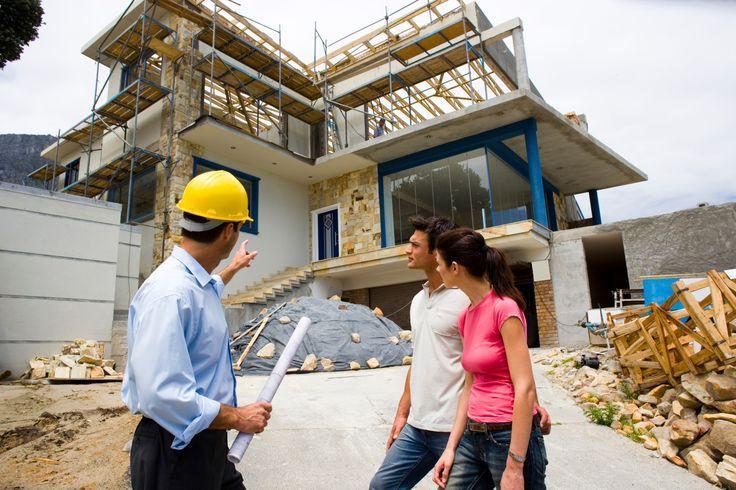
Key Stages of Residential Construction Every Homeowner Should Know

The discussion on the key stages of residential construction is especially important for homeowners. It is the step before a new construction project is started. Building a house is a big investment. It also makes a person more confident about their rent design. Each step in the construction process is important. It can be a planning stage or a designing stage. Homeowners should understand the process from start to end. This can help make good decisions. This also helps with the budget. It makes the communication clearer between the homeowner and the contractor. The article explains the stages of residential construction in simple words. It explains how homeowners can feel confident about their project.
Steps In Construction Explained:
Planning and Designing:
Planning is the first step of residential construction. It also involves designing. It is where the ideas turn into drawing blueprints. You can decide the size of your house at this stage. Architects prepare drawings according to the homeowner's needs. Engineers work on the infrastructure details of the project. Budget planning is also done at this stage. One should clearly explain their needs. A change on later stage can increase costs.
Budgeting and Cost Estimation:
A clear budget is prepared. It is done before the construction starts. This is to check the overall project cost. It shows if the project is financially possible. A residential construction estimation helps calculate:
-
material cost
-
labor charges
-
permit fees
-
equipment expenses.
A professional construction estimator can also help. It prepares a detailed cost breakdown. Proper budgeting can reduce unexpected financial problems. It helps homeowners to stay within the limit.
Site Preparation:
The site is prepared. It is done after planning and budgeting. It includes clearing land and removing trees or debris. It also includes leveling the ground. Temporary utilities are set on the site for ease. Proper site preparation helps ease the smooth construction process.
Foundation Work:
It is an important part of any home. It supports the entire structure. Foundation work includes excavation. It includes pouring concrete footings. Building foundation walls is also done at this stage. Waterproofing is included in foundation work. A strong foundation gives structure and stability. It makes the structure more durable.
Framing:
Framing is about the skeleton of the house that gives shape to the wall. The roof structure is also prepared in framing. During framing:
-
Wooden frames are installed
-
The roof structure is built
-
windows and doors openings are formed.
Homeowners can see the layout of their home after framing. This is a very good part of construction. This is where the house begins to take physical form.
Roofing and Exterior Work:
The home is protected from weather conditions through these processes. It includes installing roofing material. Adding exterior walls is a part of it. Fitting windows and doors is done at this stage. Applying exterior finishes is also a part. This step makes the structure more secure.
MEP System Installation:
Internal systems are installed. It is done after the structure is enclosed. These systems include:
-
plumbing pipes
-
electrical wiring
-
heating and cooling systems.
Construction takeoff services are used during planning. They measure the materials properly. Modern installation makes homes more comfortable.
Insulation and Drywall:
Insulation is done to control indoor temperature. It reduces the energy cost. Drywall is installed for interior walls and ceilings. This stage can improve sound control. It reduces energy usage. It also makes the interior structure look good. Room designing is done after the drywall is completed.
Interior Finishes:
Interior finishing is the final step of residential construction. It makes the appearance nicer. It also increases comfort. This stage includes painting walls and installing flooring, adding cabinets, and fixing lighting fixtures is also done at this stage. Bathroom fittings are also installed at this point. Homeowners like this stage. It is because their design choices come to life. A construction estimating company can help in the calculation of total budget.
Final Inspection and Handover:
The house should pass the final inspection. Inspectors check structural protection. They check the electrical system and plumbing connections. Building standards are also checked. The home is ready to be handed over after the approval. Any small defects are corrected. This is done before the homeowner receives the keys.
Why Understanding These Stages is Important
Knowing the key steps can help homeowners to:
-
plan finances better
-
avoid necessary changes
-
Monitor project progress
-
Communicate properly with contractors.
Homeowners should understand each part of the renovation. This can make them feel confident. It also shows their involvement in the project.
Common Challenges Homeowners Should Expect
Challenges can occur after proper planning. problems can be:
-
material price changes
-
weather delays
-
design adjustments
-
labor shortage.
Maintaining good communication with the contractor is good. It can help solve these issues. It makes the project smoother.
Conclusion
Key stages of residential construction are of interest to homeowners. Building a home is not a small thing. Understanding the key stages of construction is very helpful. They help homeowners to stay informed. They also help them to stay prepared throughout the process. All the steps are the need of a good project. The construction process becomes easier if planned properly. Homeowners enjoy the experience of building their dream home if every stage and step goes right.


