
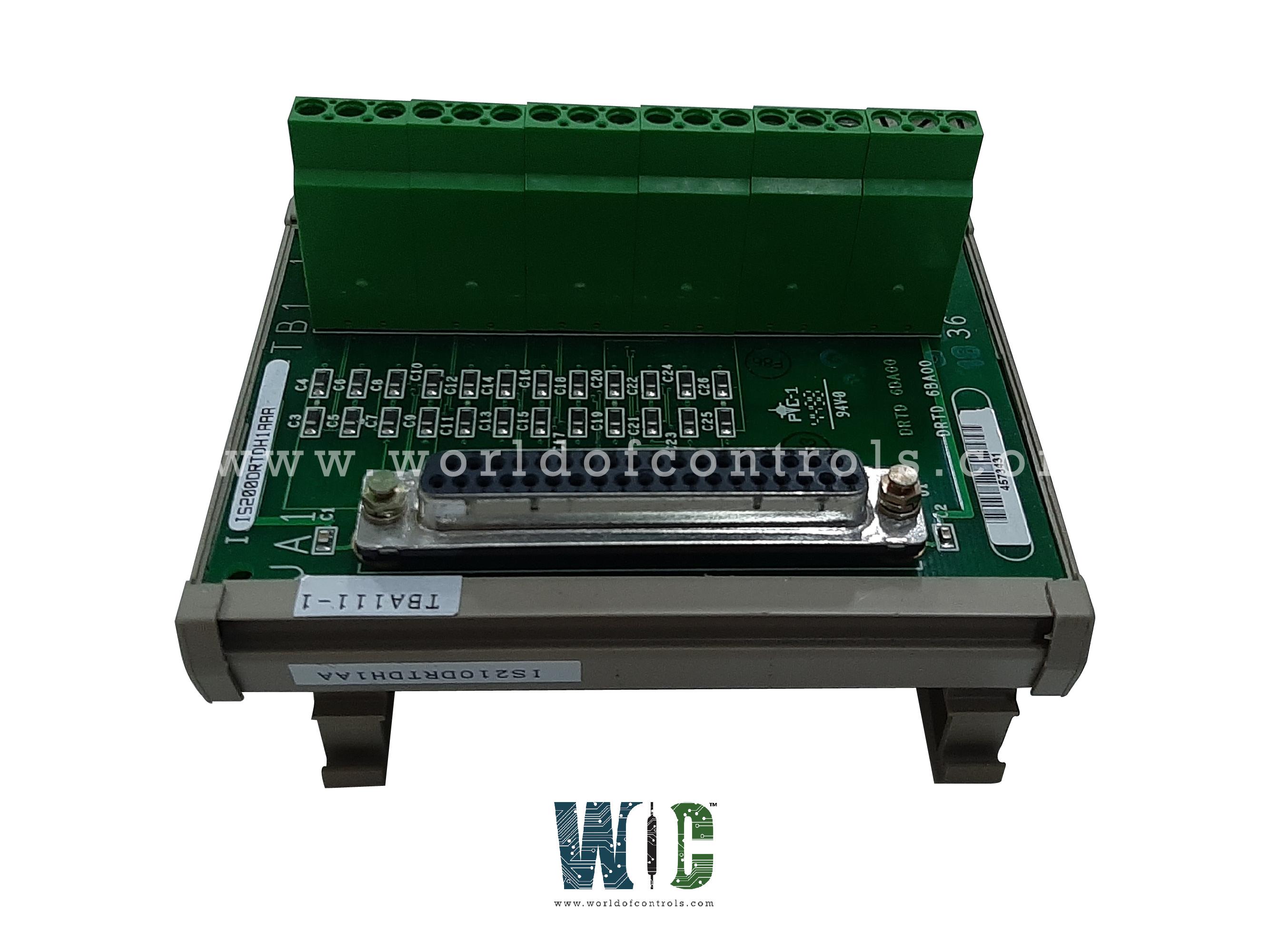
What Is a GE Serial Input/output Board and How Does It Work?

Introduction to Serial Communication in Turbine Control
Modern gas and steam turbines rely on sophisticated control systems to operate safely and efficiently. These systems continuously monitor parameters such as temperature, pressure, vibration, speed, and load. To manage this data flow, they depend on specialized hardware modules—one of the most important being the serial input/output (I/O) board.
A GE Serial Input/Output Board functions as a communication interface inside the turbine control cabinet. It enables serial data exchange between the main control processor and external devices. In GE turbine environments, these boards are typically integrated within the Mark series control systems, forming a key part of the overall automation architecture.
The Role of a Serial I/O Board in Turbine Systems
What Is a Serial I/O Board?
A serial I/O board is an electronic module designed to handle serial communication protocols such as RS-232, RS-422, or RS-485. Serial communication sends data one bit at a time over a single channel, making it highly reliable in industrial environments where long cable runs and electrical noise are common.
In turbine applications, the serial I/O board allows the control system to communicate with:
-
Human-Machine Interfaces (HMIs)
-
Remote monitoring systems
-
Vibration monitoring equipment
-
Protective relays
-
Distributed Control Systems (DCS)
Without this communication pathway, the turbine controller would not be able to gather real-time operating data or send commands to connected subsystems.
Integration Within GE Mark Control Systems
GE’s turbine platforms commonly use modular control systems such as the GE Mark VI and the GE Mark V. These systems are built with multiple circuit boards, each performing a specific function—processing, power management, signal conditioning, or communication.
The serial I/O board is dedicated to communication tasks. Installed within the control rack, it connects to the main processor and manages structured data transfer between internal and external devices.
In turbine operations, this communication supports:
-
Continuous operational monitoring
-
Alarm and event reporting
-
Data logging for diagnostics
-
Command transmission to auxiliary equipment
Because turbine control systems must respond instantly to changing conditions, dependable communication hardware is critical.
How a GE Serial Input/Output Board Works
1. Receiving External Data
The board receives serial signals from connected equipment. These signals may represent vibration measurements, temperature readings, system statuses, or protection alerts. Each signal follows a defined communication protocol to ensure accuracy and synchronization.
2. Processing and Error Checking
After receiving the data, the board translates it into a format compatible with the main control processor. During this stage, it performs error detection checks to verify data integrity. This is especially important in turbine environments, where incorrect data could lead to improper control decisions.
3. Communicating with the Main Controller
Once validated, the data is transmitted to the central processor. The controller then analyzes the information and determines the appropriate response—such as adjusting fuel flow, modifying load, activating cooling systems, or triggering alarms.
4. Sending Outgoing Commands
The communication process is bidirectional. When the control processor needs to send instructions to external systems, the serial I/O board converts those commands into the required serial format and transmits them accordingly.
Importance in the Turbine Industry
Turbines operate under high mechanical stress and extreme temperatures. In such environments, reliable communication is not optional—it is essential. Serial I/O boards ensure:
-
Real-time performance monitoring
-
Early fault detection
-
Accurate alarm communication
-
Stable data transmission across long distances
-
Reduced susceptibility to electromagnetic interference
In power generation facilities, even minor communication disruptions can result in downtime or safety concerns. A dependable serial interface helps maintain operational continuity and regulatory compliance.
Maintenance and Reliability Considerations
Given their critical role, serial I/O boards must be robust and properly maintained. Routine inspection typically involves:
-
Checking wiring and terminal connections
-
Monitoring communication status indicators
-
Reviewing system diagnostic messages
-
Ensuring compatibility with system firmware updates
Because turbine control cabinets can experience vibration and temperature fluctuations, proper installation and periodic checks are essential for long-term reliability.
Conclusion
A GE Serial Input/Output Board is a specialized communication module that enables seamless data exchange within turbine control systems. By bridging the gap between the main controller and external devices, it supports accurate monitoring, efficient operation, and system protection.
Within GE’s Mark series architecture, this board plays a foundational role in ensuring that turbines operate safely, reliably, and with precise control—making it an indispensable component in modern industrial power generation environments.


