
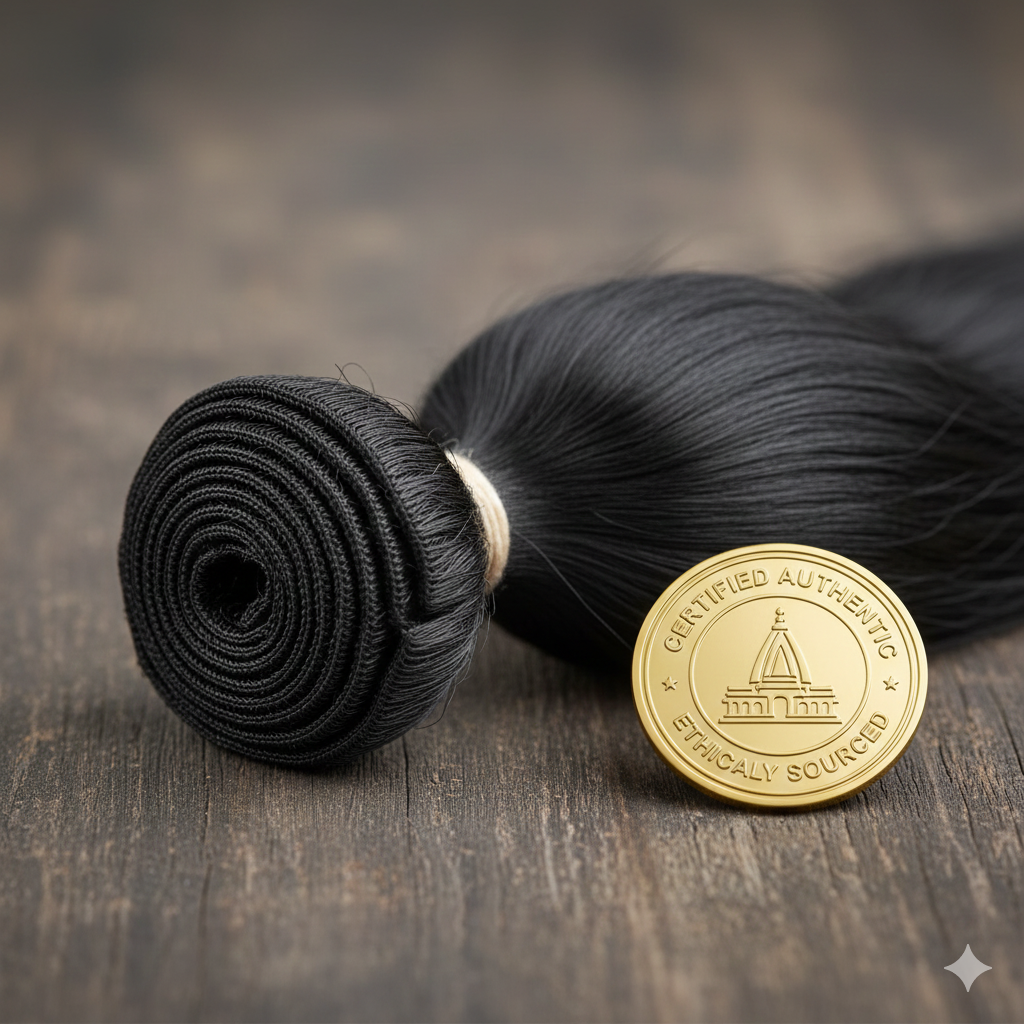
The Environmental Impact: Why Indian Hair Extensions are a Sustainable Beauty Choice

In an era where "Fast Fashion" is being scrutinized for its massive carbon footprint and waste production, the beauty industry is undergoing a similar reckoning. Conscious consumers are no longer just looking for products that make them look good; they are looking for products that do good. When it comes to hair enhancements, the conversation often revolves around aesthetics, but there is a deeper, greener story to be told about Indian Hair Extensions.
While synthetic hair and chemically processed alternatives contribute significantly to environmental degradation, authentic Indian hair stands out as a beacon of sustainability. Here is why choosing Indian Hair Extensions is a powerful step toward a more eco-friendly beauty routine.
1. A Naturally Renewable Resource
At its core, human hair is a biological, renewable resource. Unlike synthetic extensions, which are made from plastics and polymers derived from petroleum, Indian Hair Extensions are 100% biodegradable.
Synthetic hair is essentially "fine plastic." When discarded, these fibers take hundreds of years to decompose in landfills, often shedding microplastics into the soil and water systems. In contrast, natural human hair eventually breaks down into organic matter, returning nitrogen and other nutrients to the earth. By choosing natural extensions, you are opting for a product that aligns with the earth's natural life cycle.
2. The Absence of Toxic Chemical Processing
One of the most environmentally damaging aspects of the hair industry is the "acid bath" process used to treat low-quality extensions. To make hair look uniform and shiny, many factories strip the hair with harsh acids and then coat it in synthetic silicones. This process releases toxic chemical runoff into local water supplies, harming aquatic life and surrounding ecosystems.
Authentic Indian Hair Extensions especially those classified as "raw"—do not undergo this destructive processing. Because the hair is sourced with the cuticles already intact and aligned, there is no need for chemical stripping. The cleaning process typically involves gentle, biodegradable detergents and steam, ensuring that the water leaving the production facility is free of hazardous pollutants.
3. The "Slow Beauty" Movement: Longevity vs. Waste
Sustainability is closely linked to the lifespan of a product. The longer a product lasts, the less waste is generated. Synthetic hair and heavily processed "budget" hair usually last only a few weeks before they become matted and are thrown away. This creates a constant cycle of consumption and waste.
High-quality Indian Hair Extensions are the definition of "Slow Beauty." Because the hair is structurally sound and unprocessed, it can last for several years with proper care. Instead of replacing your hair every month, you are investing in a single set of extensions that can be reinstalled multiple times. This drastically reduces the volume of beauty waste heading to landfills.
4. Ethical Collection and Low Carbon Footprint
The sourcing of Indian Hair Extensions is rooted in a centuries-old spiritual tradition known as tonsuring. Thousands of pilgrims voluntarily donate their hair at temples as an act of humility and gratitude. This collection method is inherently sustainable because it relies on a pre-existing cultural practice rather than industrial farming or unethical exploitation.
Furthermore, because the hair is often processed in local, artisanal facilities rather than massive, high-energy industrial plants, the carbon footprint associated with its production is significantly lower. Many of the workshops in India rely on manual craftsmanship—such as hand-washing and hand-wefting—which consumes far less electricity than automated factory lines.
5. Supporting a Circular Economy
Sustainability also encompasses the social and economic health of the communities involved in production. The revenue generated from the sale of Indian Hair Extensions in temple auctions is traditionally reinvested into the community. These funds support free education, healthcare, and clean water projects.
By choosing these extensions, you are supporting a circular economy where the "waste" (the hair) is turned into a high-value product, and the proceeds are used to sustain the local environment and its people. It is a beauty choice that supports human flourishing alongside environmental preservation.
Conclusion
The shift toward sustainable beauty requires us to look beyond the packaging and understand the origin of our products. Indian Hair Extensions offer a rare combination of luxury and environmental responsibility. They are biodegradable, free from toxic processing, and designed to last for years, making them the ultimate choice for the eco-conscious consumer.
When you invest in authentic Indian hair, you aren't just enhancing your appearance you are casting a vote for a cleaner, more ethical beauty industry.


