

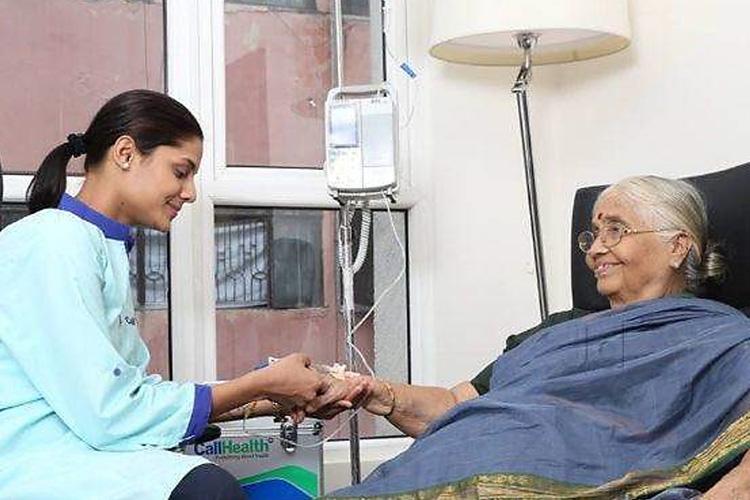
Home Care Nursing: Care That Feels Like Home, Not a Hospital
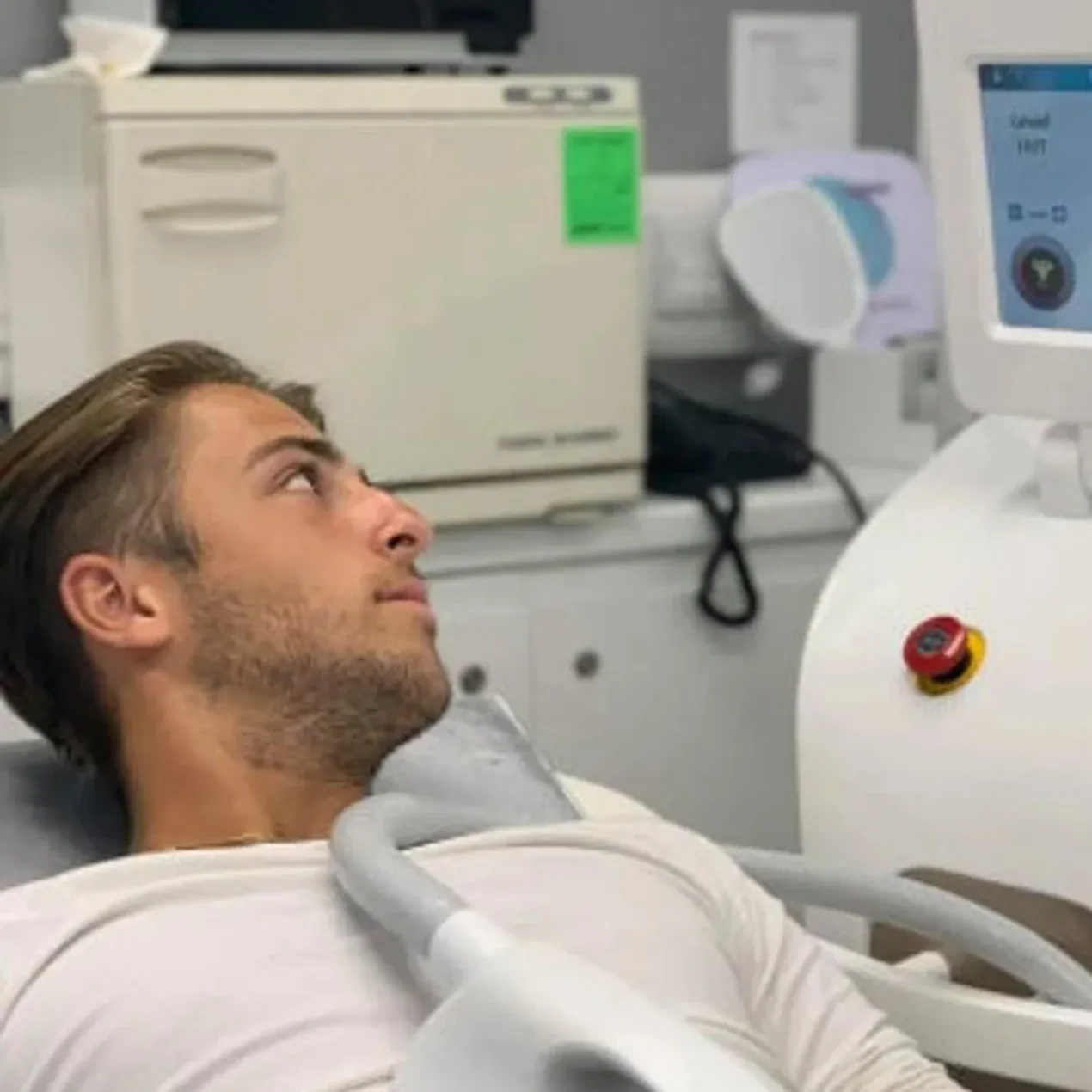
Home Care Nursing: Professional Medical Support at Home
There’s a moment most families remember clearly. A doctor says the treatment is done, but recovery will take time. The hospital bed feels cold now. The machines feel louder. Everyone wants the same thing—home. Yet home alone isn’t always enough.
This is where home care nursing quietly steps in.
Not as a replacement for hospitals. Not as a luxury. But as a bridge between medical care and real life, where healing happens more naturally, one ordinary day at a time.
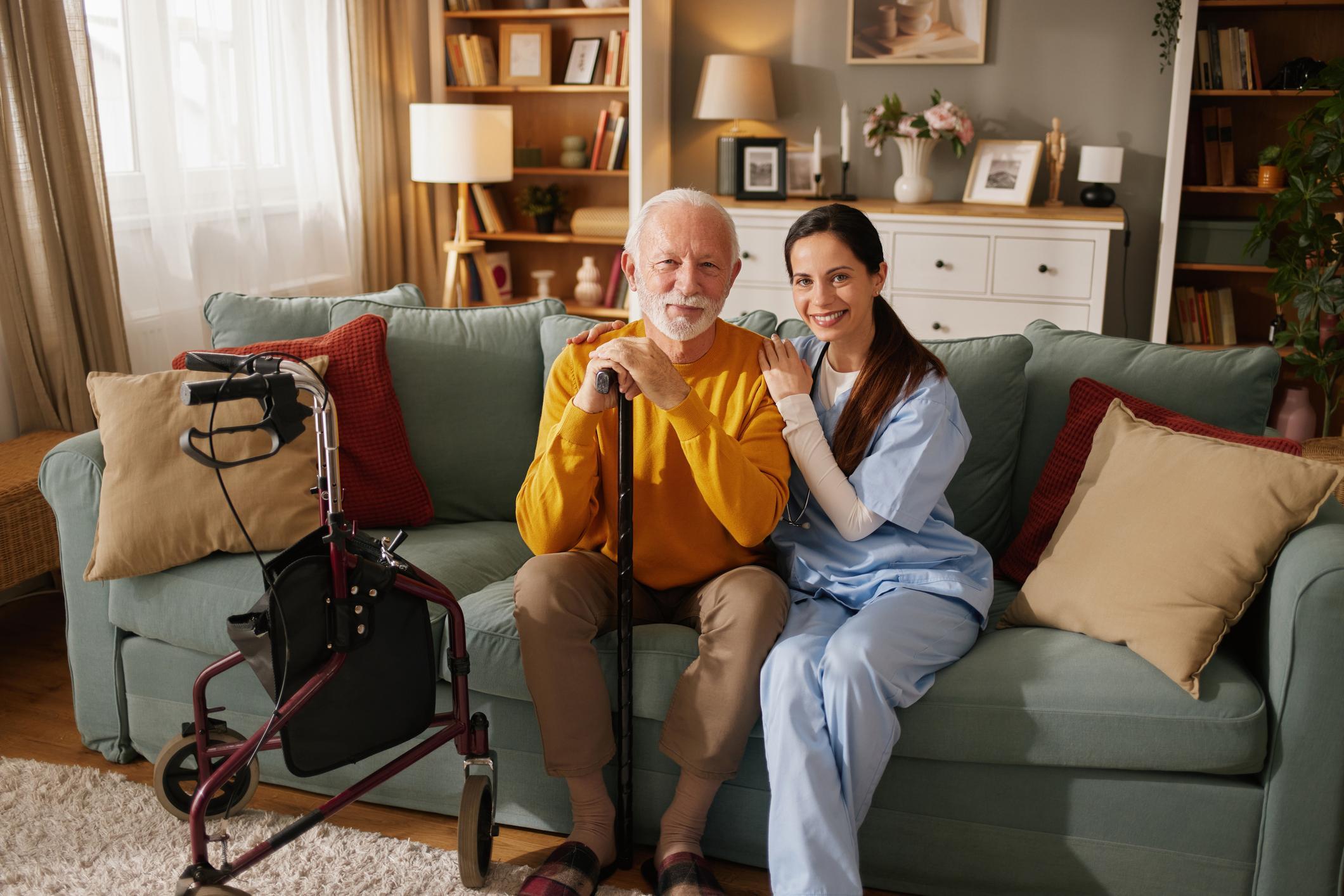
What Home Care Nursing Really Means
Home care nursing is professional medical care delivered where people feel safest—inside their own homes. It can be short-term or long-term. It can be simple or complex. And most importantly, it adapts to the patient, not the other way around.
A nurse doesn’t just bring skills. They bring structure. Routine. Reassurance. They monitor vitals, manage medications, dress wounds, assist with mobility, and watch for subtle changes that others might miss.
But there’s something else too. Presence.
That quiet confidence that tells a family, you’re not alone in this.
Why Healing at Home Feels Different
Hospitals are designed for efficiency. Homes are designed for comfort. That difference matters more than people realize.
At home, patients sleep better. They eat familiar food. They wake up to sunlight instead of alarms. Stress reduces. And when stress drops, recovery often speeds up.
A nurse working in a home setting notices things that don’t show up on charts. Appetite changes. Mood shifts. The way a patient moves when they think no one is watching. These small observations often prevent bigger problems later.
Healing becomes less clinical and more human.
Who Needs Home Care Nursing
Many assume home nursing is only for the elderly. That’s not true.
It’s for someone recovering after surgery who needs wound care and monitoring.
It’s for a patient managing a chronic illness who needs daily support.
It’s for individuals with limited mobility who require assistance with basic medical needs.
It’s for families caring for a loved one who want guidance instead of guesswork.
Sometimes it’s temporary. Sometimes it becomes part of daily life. Either way, it brings stability during uncertain times.
The Emotional Side Families Don’t Talk About
Medical care doesn’t happen in isolation. Families carry fear, fatigue, and responsibility quietly.
Home care nursing eases that emotional load.
When a trained professional handles medical tasks, families can focus on being family again. Conversations shift. Meals feel normal. The home stops feeling like a makeshift clinic.
Caregivers get rest. Patients feel dignity. Everyone breathes a little easier.
That emotional relief is often just as valuable as the medical care itself.
Daily Care That Builds Trust
Trust isn’t built through credentials alone. It’s built through consistency.
A nurse arrives on time. Explains what they’re doing. Answers questions patiently, even when they’ve been asked before. Notices when something feels off and speaks up early.
Over time, routines settle in. Medications are taken correctly. Exercises are done safely. Progress becomes visible, not dramatic, but steady.
This rhythm creates confidence. And confidence accelerates recovery.
Personal Attention Makes a Difference
In large medical facilities, attention is divided. At home, it’s focused.
A nurse works with one patient at a time. Care plans aren’t rushed. Adjustments are made based on real-life conditions, not just written instructions.
If pain increases at night, routines change. If appetite drops, medications are reviewed. If mobility improves, care evolves.
Nothing is fixed. Everything responds.
That flexibility is the quiet strength of home care nursing.
Managing Chronic Conditions at Home
Chronic illnesses don’t take breaks. They require long-term management, not occasional intervention.
Home care nurses help patients stay stable by monitoring symptoms daily, ensuring medications are taken correctly, and identifying warning signs early. Small changes are addressed before they turn into emergencies.
This ongoing attention reduces hospital readmissions and helps patients maintain independence longer.
Life doesn’t stop because of illness. It adapts.
Post-Hospital Recovery Without the Stress
Discharge from a hospital doesn’t mean recovery is complete. In many cases, it’s just beginning.
At home, nurses assist with wound care, pain management, catheter care, injections, and rehabilitation exercises. They also educate families, turning confusion into clarity.
Instead of multiple hospital visits, care comes to the patient. Recovery feels less like a struggle and more like a process.
One step at a time. Safely.
Respect, Privacy, and Dignity
Illness often strips people of privacy. Home care nursing restores some of it.
Patients remain in familiar surroundings. Personal routines are respected. Cultural preferences are understood. Care feels collaborative, not imposed.
Dignity isn’t just about treatment. It’s about how care is delivered.
And at home, it’s easier to preserve.
The Subtle Art of Observation
Good home care nursing isn’t loud. It’s attentive.
A nurse notices swelling before it becomes dangerous. Recognizes confusion before it turns into distress. Sees exhaustion in caregivers and adjusts routines accordingly.
These observations rarely make headlines. But they prevent complications quietly, day after day.
That’s expertise refined through experience.
Safety Without Isolation
Some families worry that home care means isolation from medical systems. In reality, it often creates better coordination.
Nurses communicate changes promptly. Records are maintained accurately. Doctors receive clearer updates based on real-world observations.
Care becomes continuous instead of fragmented.
Patients stay connected without being confined.
When Recovery Isn’t the Goal
Sometimes, care isn’t about getting better. It’s about being comfortable.
In such cases, home care nursing focuses on pain relief, emotional support, and maintaining quality of life. The home becomes a place of peace, not procedures.
Families are supported gently. Patients are respected deeply.
Care remains, even when cure is no longer possible.
Choosing the Right Kind of Care
Not all care needs look the same. Some patients need round-the-clock assistance. Others need periodic visits. Some require medical procedures. Others need monitoring and guidance.
Home care nursing adapts to these needs. It isn’t one-size-fits-all. It’s tailored, intentional, and responsive.
That adaptability is its greatest strength.
The Quiet Impact on Everyday Life
Over time, something subtle happens.
Patients regain confidence. Families regain balance. Homes regain their original purpose—not as care centers, but as places of living.
Laughter returns. Routine stabilizes. The medical fades into the background, where it belongs.
That’s the real success of home care nursing. Not dramatic recoveries, but sustainable normalcy.

Final Thoughts
Home care nursing isn’t about bringing a hospital into the house. It’s about bringing care into life, without taking life away.
It respects routines, supports recovery, and honors dignity. It meets people where they are—physically, emotionally, and humanly.
And sometimes, that’s exactly what healing needs.


