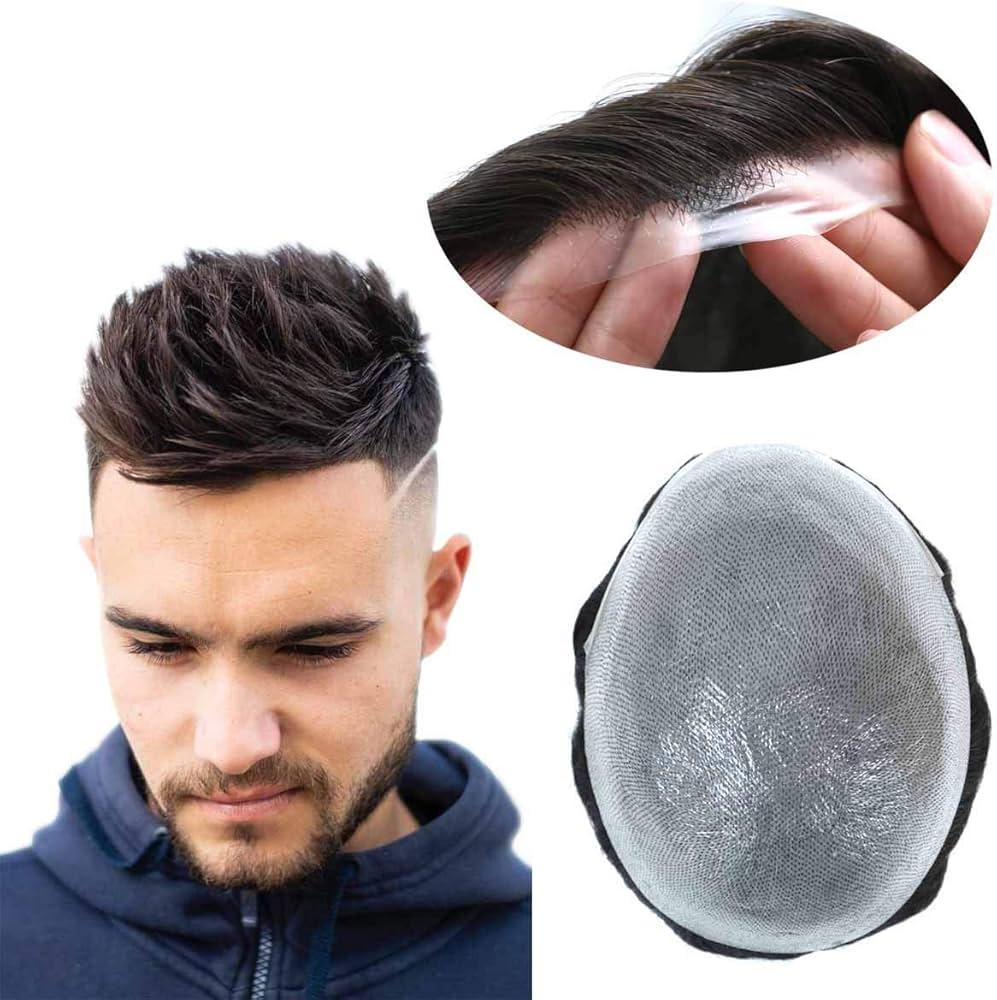
Toupee Wig: A Natural Way to Restore Hair, Confidence, and Everyday Ease
Hair loss rarely announces itself loudly. It slips in slowly—first a widening part, then a crown that catches too much light, then photos you avoid looking at for too long. For many people, it’s not vanity that stings. It’s the subtle shift in how you feel walking into a room. A toupee wig exists right at that emotional intersection: not a costume, not a disguise, but a practical choice made by people who want to feel like themselves again.
This isn’t a story about pretending to be someone else. It’s about continuity. About looking in the mirror and recognizing the person staring back.
What a Toupee Wig Really Is
Strip away the myths and awkward jokes, and a toupee wig is simply a partial hair system designed to cover thinning or bald areas—most often the crown, hairline, or top of the scalp. Unlike full wigs, it blends with existing hair. The goal isn’t drama. It’s invisibility.
A good toupee wig doesn’t scream for attention. It sits quietly, moves naturally, and behaves like real hair because, in many cases, it is real hair. Even when it isn’t, modern fibers have come a long way. Texture, density, movement—these details are no longer optional extras. They’re expected.
People don’t choose a toupee wig because they’re confused about who they are. They choose it because they know exactly who they are and don’t want hair loss to rewrite that story.
Why Hair Loss Hits Deeper Than We Admit
Hair carries meaning far beyond aesthetics. It’s tied to youth, health, attraction, authority. When it thins, the reaction isn’t just visual—it’s psychological.
You may notice it in small behaviors:
A toupee wig doesn’t solve every insecurity in life. But it removes one persistent distraction. And sometimes, that’s enough to change how you carry yourself.
Confidence isn’t loud. It’s calm. It shows up when you’re no longer busy managing what others might notice.
Toupee Wig vs. Other Hair Solutions
There are many paths people explore before settling on a toupee wig. Each has its place.
Medications require patience and consistency, and results vary. Some see improvement. Others see side effects first.
Hair transplants are permanent and expensive. They involve downtime, uncertainty, and the reality that not everyone is a suitable candidate.
Shaving it all off works beautifully for some. For others, it feels like surrender rather than choice.
A toupee wig sits in a unique middle ground. It’s immediate. Non-invasive. Adjustable. You can change it as your style changes. You can stop using it if you want. That freedom matters more than people realize.
The Evolution of the Modern Toupee Wig
The image many people still carry is outdated: stiff hairlines, unnatural shine, obvious borders. That era is gone.
Today’s toupee wig is the result of quiet innovation. Bases are thinner. Knots are smaller. Hairlines are designed to disappear into the skin. Density is customizable—not everyone wants a full, teenage look.
What’s changed most is intention. The modern approach favors realism over volume. Subtlety over perfection.
Ironically, the best toupee wig looks slightly imperfect. Just like real hair.
Materials That Make the Difference
Not all toupee wigs are built the same. The materials used shape how it looks, feels, and lives on your head.
Natural hair offers unmatched movement and realism. It responds to heat, humidity, and styling just like your own. It ages naturally too, which many people appreciate.
Advanced synthetic fibers are lighter than before and hold their shape well. They require less daily styling and are often more affordable.
The base matters just as much:
-
Ultra-thin skin bases create a clean hairline
-
Lace bases allow breathability
-
Hybrid bases balance durability and comfort
Choosing isn’t about “best.” It’s about fit—physical and emotional.
The First Time You Wear One
There’s a moment most people remember clearly: the first time they see themselves wearing a toupee wig that actually works.
It’s rarely dramatic. More often, it’s quiet surprise.
“That’s… me.”
Not younger. Not different. Just familiar.
You notice how your face balances again. How your expressions feel framed. How clothes seem to sit differently. The change isn’t just on your head—it’s in posture, eye contact, ease.
And then something unexpected happens. You stop thinking about it.
That’s when you know it’s right.
Getting the Fit Right: Where Most People Go Wrong
A toupee wig succeeds or fails on fit. Not size alone, but proportion.
Common mistakes include:
-
Hairlines placed too low
-
Density that’s too thick
-
Color that’s too uniform
Real hair isn’t perfect. It has variation. Slight irregularities. A gentle recession, even in youth.
The best results come from restraint. Leaving a little forehead. Matching texture, not just color. Choosing realism over wishful thinking.
This isn’t about recreating the past. It’s about creating something believable in the present.
Living With a Toupee Wig Day to Day
A well-fitted toupee wig should integrate into your life, not interrupt it.
You should be able to:
Maintenance exists, yes. But it’s manageable. Cleaning routines become familiar. Adjustments become second nature. Over time, it’s less “something you wear” and more “part of how you look.”
Most people find the mental load lighter than expected. Once the fear of being “found out” fades, daily life resumes its normal pace.
The Question Everyone Asks (But Rarely Out Loud)
“Will people know?”
The honest answer: people notice change, not methods.
They might say you look rested. Or sharper. Or different in a way they can’t quite name. Human attention isn’t forensic. It’s impression-based.
When something looks natural, the brain accepts it and moves on.
And if someone does know? That moment often reveals more about their curiosity than your choice. Hair solutions aren’t secrets anymore. They’re tools.
Emotional Shifts You Don’t Expect
Many people go in expecting a cosmetic improvement and come out surprised by emotional ones.
They speak more freely. Laugh without self-monitoring. Stop avoiding mirrors. Stop negotiating with their reflection.
A toupee wig doesn’t give confidence out of nowhere. It removes a barrier that was blocking it.
That distinction matters.
Styling Without Overthinking
Less is more. Always.
A toupee wig looks best when styled like you’re not trying to prove anything. Casual parts. Natural flow. Movement over stiffness.
Over-styling draws attention. Ease invites acceptance.
Think of it the way you think about good design: when it works, you don’t notice it at all.
Weather, Sweat, and Real Life
Life isn’t climate-controlled. A toupee wig has to survive heat, humidity, movement.
Modern attachment methods are built for this reality. When chosen correctly, they hold through workouts, long commutes, and busy days.
That reliability changes how you move through the world. You stop checking reflections. You stop adjusting angles. You start being present again.
When It’s Time to Replace or Refresh
Nothing lasts forever, and that’s okay.
Hair fibers age. Bases wear down. Styles evolve.
Replacing a toupee wig isn’t failure. It’s maintenance. Just like updating clothes or glasses.
Some people keep more than one. One for daily wear. One for special occasions. The choice becomes practical, not emotional.
The Quiet Social Shift Around Hair Systems
Something interesting has happened in recent years. Conversations around hair loss have softened. There’s less mockery. More openness.
People are realizing that appearance tools are everywhere—skincare, fitness, grooming, fashion. A toupee wig fits naturally into that world.
It’s no longer about hiding. It’s about choosing.
Is a Toupee Wig for Everyone?
No. And it shouldn’t be.
Some people prefer other paths. Some embrace hair loss fully. That’s valid.
A toupee wig is for those who want hair as part of their identity—and want it on their own terms. No surgery. No waiting years. No pressure to commit forever.
Just a choice. Renewed daily, quietly.
Final Thoughts: Normal Is What You Decide
In the end, a toupee wig isn’t about fooling anyone. It’s about alignment—between how you feel inside and what you see reflected back.
When those two match, life gets simpler. Conversations flow. Presence returns.
And the best part?
No one needs an explanation. Not even you.
You put it on. You live your life.
Everything else fades into the background—right where it belongs.