
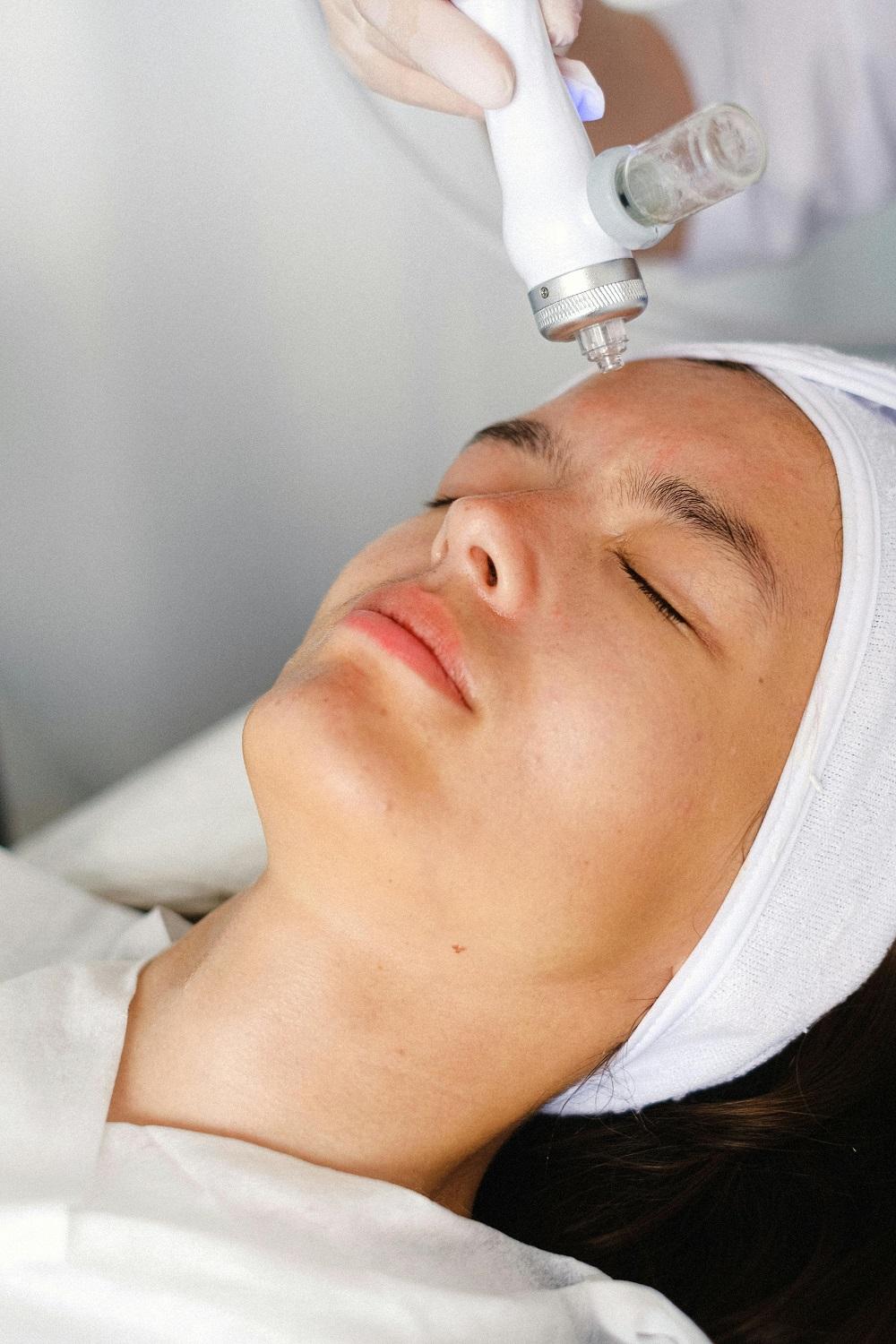
How a Skin Technician Diploma Prepares You for Medical-Grade Skincare Careers
Clients are no longer satisfied with surface-level treatments alone.
They want science-based solutions, personalized care, and professionals who understand not just how to make skin look better, but how to make it function healthier. As a result,
medical-grade skin care careers are now in high demand—and they require more than intuition or basic training.
One of the most effective ways to launch a career in this evolving space is by earning a skin technician diploma. Far from being a simple credential, this type of education builds a strong foundation in clinical knowledge, professional application, and client communication. In cities like Winnipeg, formal education options such as skin technician courses in Winnipeg prepare students to meet the expectations of both clients and advanced skincare environments.
At Wrapture Beauty Academy, aspiring skin professionals receive thorough education that combines science, hands-on experience, and real-world readiness. This guide explores how a skin technician diploma prepares students for careers in medical-grade skincare, where knowledge, safety, and outcomes matter above all.
 |
The Industry Shift: From Spa Treatments to Medical-Grade Skincare
In the past, esthetic careers primarily revolved around surface treatments: facials, exfoliation, waxing, and basic skin maintenance. These services are still valuable, but today’s savvy clients want results that go deeper—results that often require a more scientific understanding of how the skin works and responds to various treatments.
Medical-grade skincare careers bridge the gap between traditional esthetics and clinical skincare. These professionals often work in clinics, dermatology offices, wellness centres, medical spas, or advanced laser/energy-based environments. They are expected to know how to:
● Assess skin conditions with precision
● Recommend evidence-based treatments
● Understand how ingredients interact with cellular mechanisms
● Support clients through outcomes that extend beyond surface improvement
This industry evolution is one of the major reasons formal education has become so important. A skin technician diploma equips students with the skills and mindset needed for modern, results-driven skincare careers.
 |
Foundational Knowledge: Understanding the Skin as an Organ
A core component of any skin technician curriculum is a deep dive into skin anatomy and physiology. This goes beyond knowing skin types for surface application; it involves understanding how the skin functions as an organ, how it heals, how it deteriorates, and how it responds to different stimuli.
Key areas of study include:
● Structure of the epidermis and dermis
● Role of collagen, elastin, and hyaluronic acid
● Cellular responses to inflammation and environmental stress
● How age, hormones, and lifestyle factors influence skin
Understanding these fundamentals is vital for anyone practicing in a clinical or medical-grade environment. It allows professionals to evaluate concerns accurately and recommend the most effective treatments.
 |
Ingredient Expertise: The Science Behind Skincare
Modern skin professionals must go beyond knowing how to apply products; they must understand why those products work. Ingredient education is a critical part of a skin technician diploma, helping students learn how individual components interact with the skin at a biochemical level.
This includes knowledge about:
● Alpha and beta hydroxy acids
● Retinoids
● Peptides and growth factors
● Antioxidants
● Humectants and emollients
● Sunscreens and UV-protective compounds
Knowing how these ingredients function enables technicians to craft customized treatment plans and recommend home care routines that support long-term results. Clients increasingly expect this level of expertise when considering medical-grade skincare services.
 |
Clinical Skills: Learning Beyond Basic Treatments
While facials and basic exfoliation are important skills, a skin technician diploma covers advanced clinical techniques as well. These may include:
● Chemical exfoliation protocols
● Specialized masks and serums
● Targeted treatment plans for acne, aging, and pigmentation


