
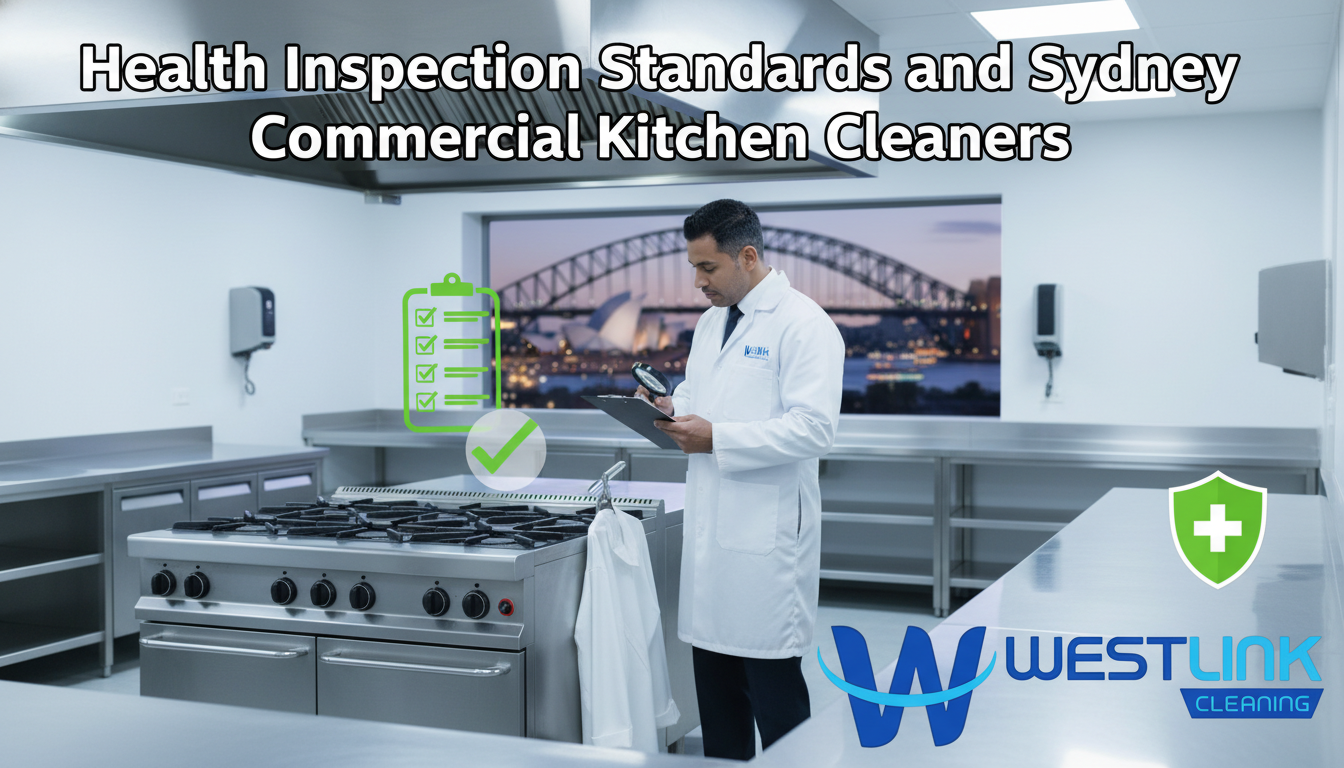
Health Inspection Standards and Sydney Commercial Kitchen Cleaners

Health Inspection Standards and Sydney Commercial Kitchen Cleaners
Running a food business in Sydney is exciting, but it also comes with serious responsibilities. One of the biggest responsibilities is meeting health inspection standards. Whether you own a restaurant, café, takeaway shop, hotel kitchen, or catering business, health inspections are a regular part of your journey. From the very first day, Sydney commercial kitchen cleaners play a key role in helping businesses stay ready for these inspections.
Health inspectors do not just look at food quality. They focus on cleanliness, hygiene, safety, and overall kitchen management. Many businesses fail inspections not because of bad food, but because of poor cleaning practices.
Understanding Health Inspection Standards in Sydney
What Are Health Inspection Standards?
Health inspection standards are rules set by local councils and health authorities to ensure food is prepared in a safe and hygienic environment. In Sydney, these standards are based on the Food Standards Australia New Zealand (FSANZ) guidelines and are enforced by local council inspectors.
Inspectors check everything from food storage to staff hygiene and kitchen cleanliness. The goal is to protect customers from foodborne illnesses and unsafe food handling practices. These standards apply to all commercial kitchens, no matter how big or small.
For example, even a small coffee shop must follow the same hygiene principles as a large restaurant. Ignoring these standards can lead to warnings, fines, or even temporary closure.
Why Health Inspections Are So Strict
Health inspections are strict because food safety directly affects public health. One mistake in a kitchen can make many people sick. Bacteria like Salmonella and E. coli grow quickly in dirty or poorly cleaned environments.
Inspectors are trained to look for risks that business owners may overlook. For example, grease behind cooking equipment or food residue in drains can attract pests and spread bacteria. Strict inspections help prevent these risks before they cause harm.
Key Areas Health Inspectors Focus On
Kitchen Cleanliness and Hygiene
Cleanliness is the first thing inspectors notice. They look at floors, walls, ceilings, benches, and equipment. Even small details, such as grease stains or food splashes, can raise concerns.
Inspectors expect kitchens to be cleaned daily and deep-cleaned regularly. A kitchen that looks clean on the surface but hides dirt in corners or behind equipment may still fail an inspection.
For example, a restaurant may clean benches daily but ignore the buildup under fryers. Inspectors will notice this and may issue a warning.
Food Preparation and Storage Areas
Food storage areas must be clean, organised, and well-maintained. Inspectors check refrigerators, freezers, dry storage shelves, and food containers.
They look for signs of contamination, such as uncovered food, dirty containers, or incorrect storage temperatures. A clean storage area shows that a business takes food safety seriously.
Professional cleaners help keep these areas clean and sanitised, reducing the risk of contamination.
Ventilation and Exhaust Systems
Ventilation systems are often overlooked but are a major inspection point. Range hoods, filters, and ducts collect grease over time. This grease not only smells bad but also creates fire and hygiene risks.
Inspectors check whether ventilation systems are clean and working properly. Dirty exhaust systems are a common reason for inspection failures.
Sydney commercial kitchen cleaners specialise in cleaning these systems thoroughly, which is difficult for untrained staff to do safely.
Floors, Drains, and Waste Areas
Floors and drains must be clean, dry, and free from food waste. Inspectors look for slippery floors, blocked drains, and bad smells.
Waste areas are also inspected closely. Bins must be covered, clean, and emptied regularly. Poor waste management attracts pests and creates hygiene issues.
Professional cleaners ensure these areas are cleaned properly and consistently.
Pest Control and Prevention
Signs of pests, such as rodents or insects, are taken very seriously. Inspectors look for droppings, nests, or damage caused by pests.
Dirty kitchens provide food and shelter for pests. Regular professional cleaning reduces the risk of infestations by removing grease and food residue.
Clean kitchens are less attractive to pests, making inspections easier to pass.
How Sydney Commercial Kitchen Cleaners Support Inspection Compliance
Deep Cleaning Beyond Daily Tasks
Daily cleaning by staff is important, but it is not enough. Staff usually focus on visible areas and rush through cleaning after long shifts.
Professional cleaners perform deep cleaning that targets hidden and hard-to-reach areas. This includes behind equipment, inside exhaust systems, and under benches.
For example, cleaners may pull out heavy ovens to clean grease buildup underneath, something staff rarely have time or tools to do.
Knowledge of Local Inspection Requirements
Experienced commercial kitchen cleaners understand what Sydney inspectors look for. They stay updated with council regulations and health guidelines.
This knowledge helps them focus on critical areas that matter most during inspections. They clean with inspection standards in mind, not just appearance.
This reduces the risk of unexpected issues during inspections.
Scheduled Cleaning Plans
Professional cleaners work on a schedule that suits your business. Cleaning can be done weekly, monthly, or quarterly, depending on kitchen usage.
Scheduled cleaning ensures consistent hygiene levels. Instead of scrambling before an inspection, your kitchen stays inspection-ready all year.
Consistency is one of the biggest advantages of hiring professionals.
Proper Use of Cleaning Chemicals and Equipment
Using the wrong chemicals can damage surfaces or leave harmful residues. Professional cleaners use food-safe, approved cleaning products.
They also use specialised equipment such as steam cleaners and industrial degreasers. These tools remove dirt more effectively than standard cleaning supplies.
Safe and correct cleaning protects both staff and customers.
Consequences of Failing Health Inspections
Fines and Legal Issues
Failing an inspection can result in fines or legal notices. Repeated failures may lead to business closure.
These penalties cost more than regular professional cleaning services. Prevention is always cheaper than correction.
Damage to Business Reputation
Inspection results can become public. Negative reports damage customer trust.
In today’s digital world, bad news spreads fast. One poor inspection can lead to bad reviews and lost customers.
A clean kitchen protects your reputation.
Loss of Revenue
Temporary closures or reduced operating hours lead to lost income. Staff still need to be paid, and rent continues.
Professional cleaning helps avoid these disruptions.
Benefits of Professional Cleaning During Inspections
Confidence During Inspections
When your kitchen is professionally cleaned, inspections become less stressful. You know your kitchen meets standards.
Confidence helps owners and staff respond calmly and professionally during inspections.
Better Staff Focus and Productivity
Clean kitchens improve staff morale. Workers perform better in a safe and organised environment.
When staff are not overwhelmed by cleaning tasks, they can focus on food quality and service.
Long-Term Cost Savings
Regular professional cleaning reduces equipment damage, fire risks, and pest problems.
Over time, these savings outweigh the cleaning costs.
Choosing the Right Commercial Kitchen Cleaners in Sydney
Experience in Food Industry Cleaning
Choose cleaners with proven experience in commercial kitchens. Not all cleaning companies understand food safety requirements.
Experience ensures quality and reliability.
Clear Communication and Reporting
Good cleaners communicate clearly and provide cleaning reports if needed. These reports can be useful during inspections.
Transparency builds trust.
Flexible Service Options
Every kitchen is different. Reliable cleaners offer flexible plans that suit your operating hours and budget.
Customised services deliver better results.
Common Misunderstandings About Health Inspections
We Passed Last Time, So We’re Fine
Passing a health inspection once does not guarantee that future inspections will be easy. Hygiene standards stay the same, and inspectors may choose to check different areas of the kitchen during each visit. If cleaning routines are not maintained, problems can develop over time.
Ongoing cleaning helps keep the kitchen prepared for inspections at any time. Regular maintenance ensures that hygiene standards remain consistent and reduces the chances of unexpected issues. Keeping cleaning routines active helps restaurants stay compliant and operate smoothly.
Small Kitchens Don’t Need Professional Cleaning
The size of a kitchen does not reduce hygiene risks. Small kitchens can develop grease buildup, dirt, and bacteria just as quickly as large kitchens. Health inspections follow the same standards for all food businesses, regardless of their size.
Professional cleaning helps both small and large kitchens maintain proper hygiene and safety. It removes hidden grease and contamination, helping food businesses stay compliant with regulations and maintain a safe environment for staff and customers.
Conclusion
Health inspection standards are not something to fear, but they do require serious attention. Cleanliness, safety, and organization are the foundation of every successful food business. By working with Sydney commercial kitchen cleaners, businesses can stay compliant, protect their reputation, and operate with confidence. Investing in professional commercial kitchen cleaning services Sydney is a smart and practical step toward maintaining hygiene, ensuring safety, and supporting long-term business success.
FAQs
How often do health inspections happen in Sydney?
Inspections usually occur at least once a year, but high-risk kitchens may be inspected more often.
Can professional cleaners help before an inspection?
Yes, many businesses schedule deep cleaning before inspections to ensure full compliance.
Do inspectors check ventilation systems?
Yes, exhaust systems are a key inspection area due to grease and fire risks.
Are cleaning records important during inspections?
Yes, cleaning logs show inspectors that hygiene is taken seriously.
Is professional cleaning required by law?
While not legally required, professional cleaning greatly helps meet legal hygiene standards.


