
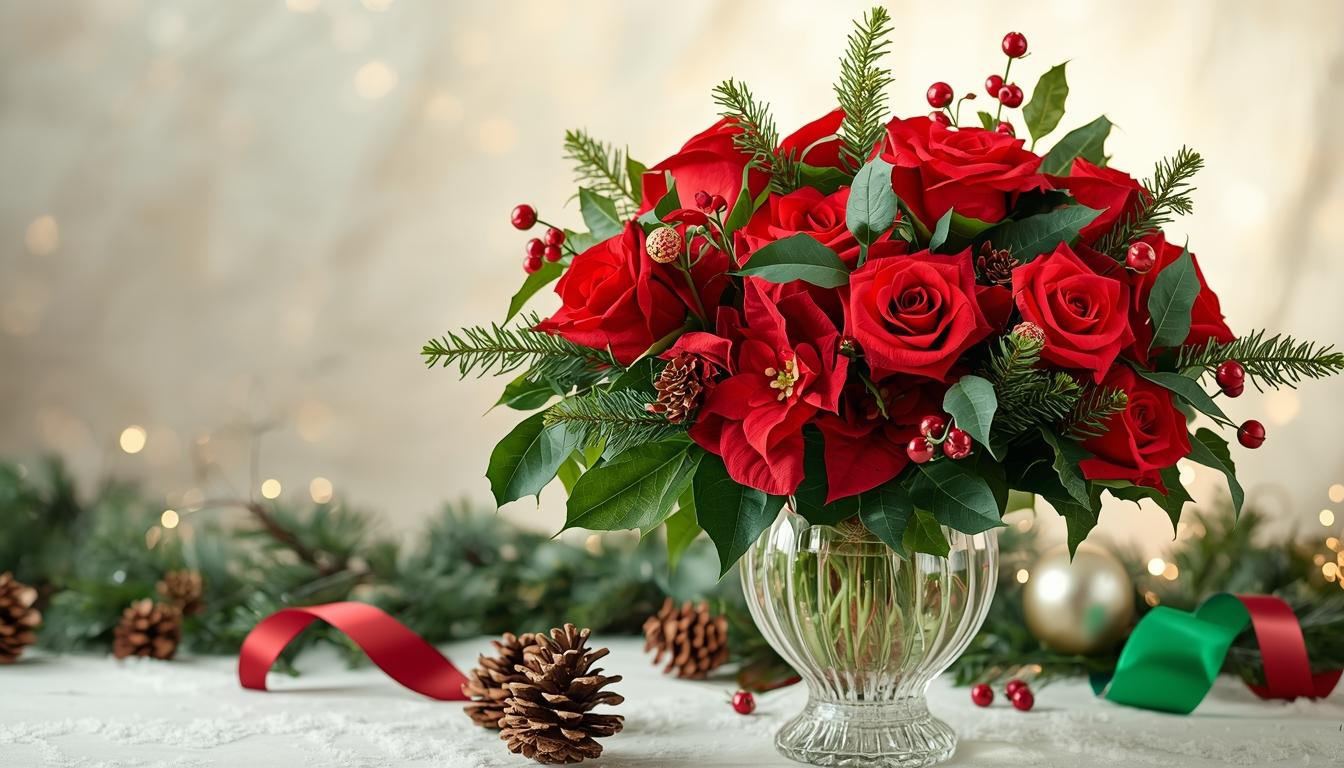
Happy Valentine’s Day Flowers That Speak Emotion and Meaning

Valentine’s Day has always been about expression. It is the one day of the year where emotions are expected to be visible, thoughtful, and sincere. While words and gestures matter, flowers remain one of the most meaningful ways to communicate affection, admiration, and emotional depth. Choosing the right floral arrangement is less about price or size and more about intention and symbolism.
For many people, searching for the perfect happy valentine's day flowers becomes part of the emotional preparation for the day itself. Flowers are not simply decorative items. They are emotional messengers rooted in centuries of tradition, psychology, and cultural meaning.
This guide explores how Valentine’s Day flowers became such powerful symbols, how to choose arrangements thoughtfully, and why floral gifting continues to feel deeply personal even in a modern digital world.
The Emotional Language Behind Valentine Flowers
Flowers have carried symbolic meaning long before Valentine’s Day existed. Ancient civilizations used blossoms to represent love, fertility, devotion, and longing. Over time, these meanings became more refined, forming what is often referred to as the language of flowers.
Each bloom communicates a different emotion. Roses express passion and devotion. Tulips suggest comfort and honest affection. Lilies symbolize purity and admiration. When gifted intentionally, flowers communicate what words sometimes cannot.
On Valentine’s Day, this emotional language becomes especially powerful. A carefully chosen arrangement shows attention, understanding, and emotional presence. It says, “I see you” without needing a spoken explanation.
Why Flowers Remain Central to Valentine Traditions
Despite evolving gift trends, flowers remain at the heart of Valentine’s Day for one simple reason: they evoke emotion instantly. Unlike material gifts, flowers appeal directly to the senses. Their fragrance, texture, and visual beauty create an immediate emotional response.
Flowers are also universally understood. Across cultures and generations, floral gifting is associated with romance and sincerity. Even in long-term relationships, flowers can reignite warmth and appreciation, serving as a reminder that love requires ongoing care.
Another reason flowers endure is their temporary nature. Knowing that blooms will fade makes them feel precious and intentional, mirroring the idea that love itself must be nurtured regularly.
Understanding Floral Symbolism for Meaningful Gifting
Thoughtful Valentine floral choices go beyond aesthetics. Each flower and color carries layered meanings that can enhance emotional impact when selected intentionally.
Red roses are traditionally associated with deep romantic love, but softer shades such as blush or cream can convey tenderness and admiration. Pink flowers often symbolize gratitude and affection, making them ideal for newer relationships or expressions of appreciation.
White blooms can represent honesty and respect, while mixed arrangements often communicate emotional complexity, suggesting that love includes multiple feelings such as joy, trust, and warmth.
Understanding these nuances helps ensure that a floral gift feels aligned with the relationship rather than generic or impersonal.
Choosing Valentine Flowers Based on Relationship Dynamics
Not all Valentine’s Day relationships are the same, and floral choices should reflect that diversity. New relationships often benefit from lighter, playful arrangements that feel thoughtful without overwhelming emotional intensity.
Long-term partnerships may lean toward richer, more expressive designs that reflect shared history and depth. In these cases, flowers become symbols of continuity rather than novelty.
For self-love or platonic appreciation, flowers still hold meaning. Gifting blooms to oneself or a close friend acknowledges care and celebration without romantic pressure, expanding the emotional relevance of Valentine’s Day beyond couples.
Seasonal Flower Selection and Its Emotional Impact
Seasonality plays an important role in flower selection, particularly in February. Winter blooms often feel intimate and cozy, aligning naturally with Valentine’s Day emotions. Seasonal flowers are typically fresher, more vibrant, and environmentally considerate.
Incorporating seasonal textures and colors can also enhance emotional resonance. Soft petals, deeper hues, and subtle fragrances create arrangements that feel intentional and grounded rather than mass-produced.
Choosing flowers that thrive naturally during the season reflects mindfulness, which often translates emotionally to the recipient.
How Presentation Influences Emotional Perception
The way flowers are presented matters just as much as the blooms themselves. Wrapping materials, vase choice, and arrangement style all contribute to how the gift is perceived emotionally.
Minimalist designs often feel elegant and sincere, while fuller arrangements suggest abundance and celebration. Natural wrapping can evoke warmth and authenticity, whereas structured presentation may communicate formality and sophistication.
Presentation does not need to be elaborate to be meaningful. What matters most is cohesion between intention, relationship, and visual expression.
The Psychology of Receiving Flowers on Valentine’s Day
Studies consistently show that receiving flowers triggers positive emotional responses, including happiness, gratitude, and a sense of being valued. On Valentine’s Day, these effects are amplified due to the emotional expectations surrounding the occasion.
Flowers act as tangible proof of thoughtfulness. They create moments of surprise and delight that linger beyond the initial exchange. Even after the blooms fade, the memory of receiving them often remains emotionally significant.
This psychological impact explains why flowers continue to be one of the most emotionally effective Valentine gifts despite changing trends.
Ethical and Sustainable Floral Choices
Modern consumers are increasingly conscious of sustainability, even when purchasing emotionally driven gifts. Ethical sourcing and responsible floral practices can enhance the emotional value of Valentine’s flowers by aligning them with personal values.
Choosing arrangements that emphasize quality over excess supports sustainability while maintaining emotional impact. Thoughtful sourcing demonstrates care not only for the recipient but also for the broader environment.
This awareness adds an additional layer of meaning to floral gifting, making the gesture feel intentional on multiple levels.
Making Valentine Flowers Feel Personal
Personalization transforms flowers from a traditional gift into a meaningful experience. This can include choosing blooms based on shared memories, favorite colors, or symbolic meanings that resonate with the recipient.
Including a handwritten note or selecting a unique arrangement style can also elevate emotional authenticity. Personal touches signal effort, which often matters more than the flowers themselves.
The goal is not perfection but sincerity. When flowers feel chosen rather than selected, they communicate deeper emotional presence.
Why Valentine Flowers Continue to Matter in a Digital World
In an era dominated by instant messages and virtual communication, physical gifts carry renewed significance. Flowers offer a tangible expression of emotion that digital gestures cannot replicate.
They occupy space, engage the senses, and exist in the real world, making love feel grounded and present. On Valentine’s Day, this physicality becomes especially meaningful, reminding recipients that affection extends beyond screens.
Flowers represent effort, time, and emotional intention, qualities that remain timeless regardless of technological change.
Caring for Valentine Flowers After They Arrive
The experience of receiving Valentine flowers does not end with delivery. Caring for the blooms extends their beauty and emotional presence.
Simple steps such as fresh water, trimming stems, and proper placement can help flowers last longer. This care often becomes part of the emotional ritual, allowing the recipient to engage with the gift over time.
The act of nurturing flowers mirrors the care required in relationships, reinforcing the symbolic connection between blooms and love.
Frequently Asked Questions
How do I choose the right Valentine flowers without overthinking
Focus on the recipient’s personality and preferences. Thoughtfulness matters more than traditional rules.
Are flowers still relevant for modern Valentine celebrations
Yes. Flowers remain emotionally powerful because they engage the senses and communicate care instantly.
Can Valentine flowers be meaningful without being romantic
Absolutely. Flowers can express appreciation, gratitude, and self-care just as effectively.
Does flower color really matter
Color influences emotional perception, but intention and sincerity matter most.
Final Thoughts on Valentine Floral Gifting
Valentine’s Day flowers are not about following trends or expectations. They are about expressing emotion in a way that feels sincere, thoughtful, and personal. When chosen with care, flowers become more than a gift. They become a shared emotional moment.
Whether understated or expressive, floral gifting remains one of the most authentic ways to communicate affection on Valentine’s Day. Its lasting relevance lies not in tradition alone but in its ability to make emotions visible.


