
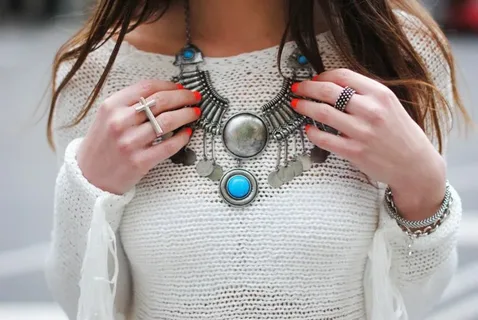
Fashion Accessory: Beyond Style, a Statement of Identity
Introduction
Fashion accessories are often misunderstood as mere decorative items—extra touches that complement clothing. In reality, a Fashion Accessory is a tool of personal communication. It conveys identity, mood, and intention without uttering a single word. Whether subtle or bold, accessories influence how others perceive us and how we perceive ourselves.
Understanding accessories as instruments of expression rather than ornaments transforms the way we approach fashion entirely.
The Psychology of Accessories
Clothing covers the body, but accessories tell stories. They reflect personality, cultural influences, and even professional positioning. A carefully chosen accessory can project confidence, creativity, or sophistication. On the other hand, neglecting these elements may make an outfit feel incomplete or unintentional.
The strategic use of accessories engages human perception on multiple levels—color, texture, shape, and placement all contribute to an overall impression that communicates quietly but effectively.
Function Meets Aesthetic
Not all fashion accessories are purely aesthetic. Many serve functional purposes while enhancing style. Watches, belts, bags, and eyewear often combine practicality with design. This duality allows an accessory to elevate an outfit while also solving real-life challenges, making the item indispensable rather than ornamental.
This blend of utility and style is what distinguishes thoughtful accessories from impulsive trends. It reflects intentionality in personal presentation.
Cultural and Social Significance
Across history, accessories have carried social, cultural, and symbolic meaning. Jewelry, scarves, and headpieces have communicated status, affiliation, or ritual significance. In contemporary contexts, accessories often retain these subtle cues, signaling membership in subcultures, profession-specific codes, or lifestyle identities.
A Fashion Accessory is therefore not neutral—it interacts with cultural perception. Recognizing this interaction allows individuals to craft messages consciously rather than leave impressions to chance.
Scaling Impact Through Subtlety
Contrary to popular belief, accessories do not need to dominate an outfit to be impactful. Often, restraint amplifies effectiveness. A minimal accessory can draw attention to key areas, create balance, or introduce unexpected contrast that elevates an ensemble without overwhelming it.
This principle applies across settings, from professional meetings to casual social environments. Subtlety in accessories communicates sophistication and thoughtfulness.
Personalization and Storytelling
Accessories offer opportunities for personalization that clothing alone rarely achieves. A pendant, ring, or custom bag can carry narrative weight, reflecting experiences, aspirations, or memories. These small items create conversation points, connect people through shared references, and strengthen personal storytelling.
When a fashion accessory carries meaning beyond aesthetics, it shifts from being optional to essential in shaping identity.
Adapting to Context
Context is critical when choosing accessories. Environmental factors, cultural norms, and social expectations influence whether an accessory resonates or distracts. Understanding situational context enables individuals to leverage accessories strategically—enhancing perception without unintended signals.
This adaptability is a key skill in modern personal styling, professional presentation, and social navigation.
Timelessness Versus Trends
While fashion trends evolve rapidly, timeless accessories endure. Classic pieces—structured leather bags, neutral-toned scarves, versatile watches—maintain relevance across years and occasions. They provide a foundation upon which trend-driven items can be layered.
Balancing timeless items with seasonal accents allows for a curated wardrobe that is both flexible and coherent.
Sustainability and Conscious Choices
The modern approach to fashion accessories increasingly emphasizes sustainability. Thoughtful selection of materials, durability, and production ethics ensures that accessories contribute positively to environmental and social responsibility. Choosing fewer, higher-quality pieces often has a more meaningful impact than acquiring large quantities of disposable items.
A Fashion Accessory is therefore not just a personal statement—it can reflect ethical and ecological priorities as well.
Conclusion: Accessories as Strategic Tools
A Fashion Accessory is more than a decorative detail. It functions as a language, a tool for storytelling, and a vehicle for intentional expression. Thoughtful selection bridges practicality, aesthetics, culture, and personal identity.
Incorporating accessories strategically transforms fashion from passive attire into active communication. Whether subtle or bold, functional or symbolic, these items empower individuals to convey presence, personality, and purpose with nuance and confidence.


