
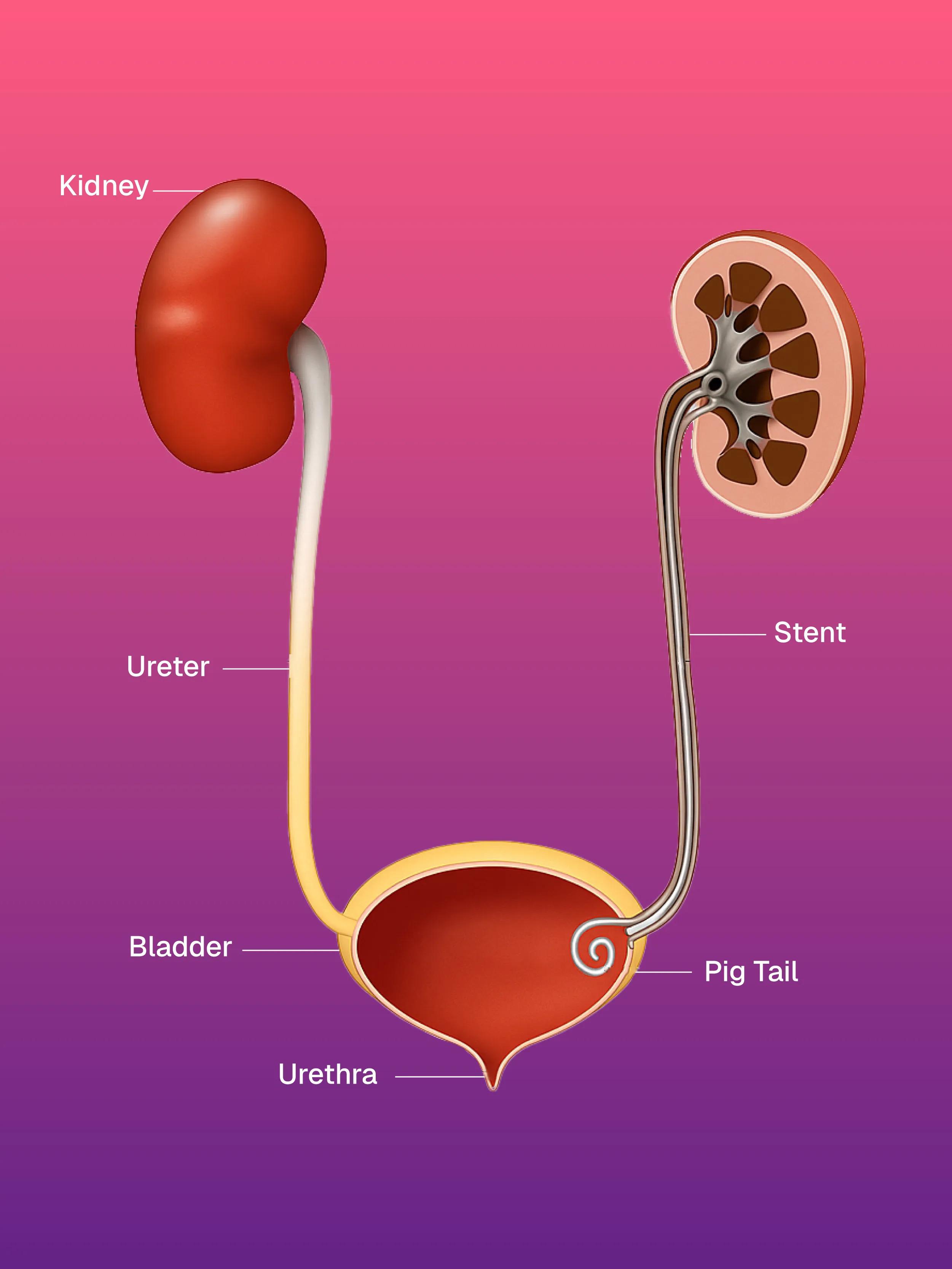
DJ Stent Procedure: A Simple Solution for smooth Urine Flow and Faster Recovery

When urinary obstruction affects kidney function, timely and precise treatment becomes essential. An intervention radiologist plays a vital role in diagnosing and managing such conditions using minimally invasive, image-guided techniques. One of the most effective procedures performed in collaboration with urologists is the DJ stent procedure, which helps restore normal urine flow and prevent long-term kidney damage.
Role of an Intervention Radiologist in Urinary Care
An intervention radiologist is a specialist trained to perform targeted procedures using real-time imaging such as ultrasound, fluoroscopy, or CT scans. This approach allows for high accuracy, minimal discomfort, and faster recovery compared to traditional surgery.
In cases of urinary obstruction, the intervention radiologist assists by:
- Accurately identifying the site and cause of blockage
- Guiding access to the urinary system using imaging
- Supporting procedures that relieve pressure on the kidneys
- Ensuring safe placement of devices like stents
Their expertise is especially valuable in complex cases where anatomy, infection, or prior surgery increases procedural risk.
Understanding the DJ Stent Procedure
The DJ stent procedure involves placing a thin, flexible tube (Double J stent) inside the ureter to maintain continuous urine flow from the kidney to the bladder. The stent is curled at both ends to keep it securely positioned and remains completely inside the body, with no external visibility.
This procedure is commonly recommended for:
- Kidney or ureteric stones
- Ureteric narrowing or strictures
- Post-surgical swelling
- Urinary tract injuries
- Prevention of kidney damage due to urine backup
While urologists typically place DJ stents, an intervention radiologist often plays a crucial role in pre-procedure imaging, alternative access planning, or in cases where standard approaches are difficult.
Benefits of Image-Guided, Minimally Invasive Care
With support from an intervention radiologist, patients benefit from:
- Reduced procedural risk
- Smaller or no surgical incisions
- Shorter hospital stay
- Faster recovery and less pain
- High procedural accuracy
This patient-centric approach ensures that treatment is both effective and gentle on the body.
Recovery and Patient Experience
After the DJ stent procedure, most patients experience mild, temporary symptoms such as urinary frequency or slight discomfort. These usually resolve with time and medication. Regular follow-up imaging, often reviewed by an intervention radiologist, helps monitor stent position and kidney health until the stent is removed.
Learn More About DJ Stent Placement
For a detailed explanation of indications, preparation, and aftercare, visit our complete guide on the DJ stent procedure and understand how expert imaging support improves outcomes.
Conclusion
The collaboration between a urologist and an intervention radiologist ensures safe, precise, and patient-friendly management of urinary obstructions. With advanced imaging and minimally invasive techniques, the DJ stent procedure remains a reliable solution for restoring urine flow, protecting kidney function, and improving overall quality of life. If you’re facing urinary issues, consulting a team that includes an intervention radiologist can make a significant difference in your care journey.


