
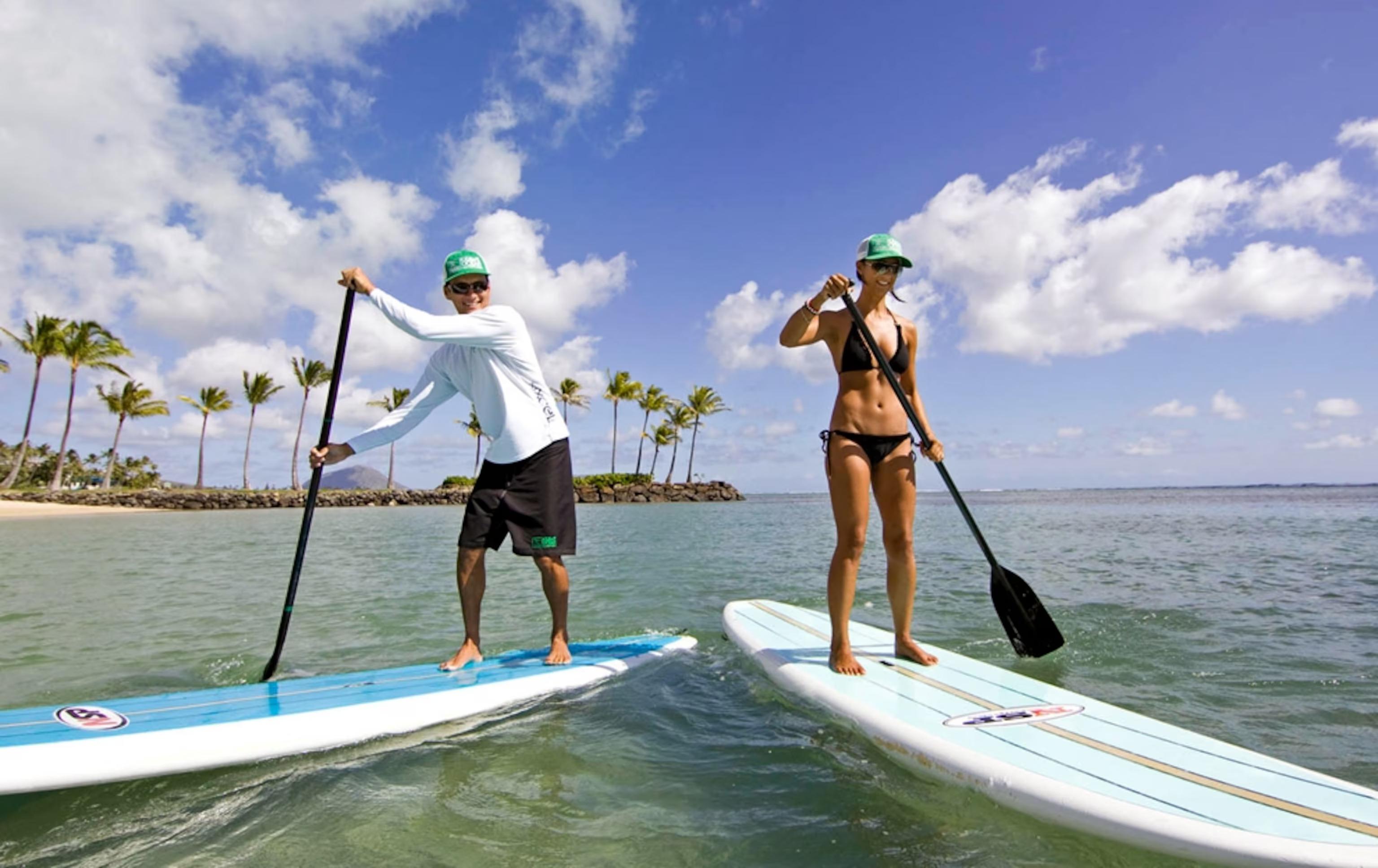
Is Stand-Up Paddleboarding in Hawaii Worth It? Tips, Risks & Best Spots from Locals

Absolutely, yes stand-up paddleboarding in Hawaii is worth every second on the water. Hawaiian paddle sports offer an unmatched combination of crystal-clear waters, stunning coastal views, and intimate wildlife encounters that you simply can't experience from shore. Whether you're gliding over coral reefs in Maui, exploring sea caves along the Na Pali Coast, or watching sea turtles surface beside your board, SUP provides accessible ocean adventure for all skill levels. The real question isn't whether it's worth it, but where and when to paddle for the safest, most memorable experience and that's exactly what this local-informed guide will show you.
Why Hawaiian Paddle Sports Stand Above the Rest
Hawaii's unique geography creates ideal conditions for stand-up paddleboarding that few destinations can match. The islands' protected bays, consistent trade winds, and year-round warm waters make Hawaiian paddle sports accessible even for complete beginners.
Unlike mainland paddling experiences, Hawaii offers something truly special: biodiversity. On a single morning paddle, you might encounter green sea turtles (honu), spinner dolphins, tropical reef fish, and during winter months, humpback whales breaching in the distance. The volcanic coastline creates natural barriers that form calm lagoons perfect for learning, while more experienced paddlers can venture to exposed reefs and ocean swells.
The cultural significance adds another layer of meaning. Stand-up paddling has deep roots in Hawaiian history, where it was originally used by surf instructors and fishermen. When you paddle in Hawaii, you're participating in a tradition that spans generations.
Best Locations for SUP: Where Locals Actually Paddle
Maui's Hidden Gems
Maui consistently ranks as the top island for Hawaiian paddle sports, offering diversity that caters to every skill level. Many visitors discover that Maui kayak tours and Maui kayak adventures complement their SUP experience perfectly, as both activities access similar pristine locations.
Makena Landing provides the most reliable conditions for beginners. This south Maui spot features protected waters, easy beach entry, and frequent turtle sightings. The ancient lava flows create natural barriers that keep the bay calm even when surrounding areas get choppy. Local paddlers hit the water here between 6-9 AM before afternoon winds pick up.
Wailea Beach offers slightly more challenge with better coral viewing. The golden sand beach provides easy launch points, and the adjacent reef system attracts diverse marine life. Several Maui kayaks outfitters operate from this area, making equipment rental convenient.
For experienced paddlers, Honolua Bay on the northwest coast delivers dramatic scenery and world-class marine reserves. The bay's marine protected status means vibrant coral and abundant fish populations. However, winter swells make this spot strictly for advanced SUP enthusiasts.
Oahu's Diverse Conditions
Ala Moana Beach Park serves as Oahu's most accessible Hawaiian paddle sports destination. The protected lagoon offers flat water perfect for first-timers, while the nearby channel provides more challenge. You'll paddle with locals year-round, and the proximity to Waikiki makes logistics simple.
Kailua Beach on the windward side offers stunning turquoise waters and consistent conditions. The offshore islands (Na Mokulua) make excellent paddle destinations, though the journey requires intermediate skills and awareness of changing weather.
Kauai's Adventure Paddling
The Na Pali Coast represents Hawaii's most epic and demanding paddle sports environment. This is advanced territory where ocean conditions change rapidly and rescue options are limited. However, Hanalei Bay provides a safer alternative with similar natural beauty, protected waters, and beginner-friendly conditions.
Real Risks Every Paddler Should Know
Hawaiian paddle sports come with legitimate hazards that tourists often underestimate. Understanding these risks isn't meant to scare you away it's about paddling smart.
Ocean Conditions Change Fast
Trade winds typically strengthen throughout the day. That glassy morning water can transform into choppy, wind-driven waves by noon. Always launch early and check local wind forecasts. If winds exceed 15 mph, beginners should stay ashore.
Currents Are No Joke
Even calm-looking bays can harbor strong currents, especially near channels and reef passages. Before entering the water, spend ten minutes observing surface conditions. Watch for areas where water appears rougher or moves differently than surrounding areas these indicate current flows.
Sun Exposure Is Intense
Hawaii's proximity to the equator means UV radiation hits harder than most mainland locations. Paddlers experience reflected sunlight from both above and below (bouncing off the water). Even on overcast days, sunburn happens quickly. Apply reef-safe sunscreen (required by law) every 90 minutes, wear rashguards, and consider paddling early morning or late afternoon.
Marine Life Encounters
While generally safe, certain marine species require respectful distance. Federal law mandates staying at least 10 feet from sea turtles and 50 yards from dolphins. Hawaiian monk seals, though rare, can be aggressive if approached. Never paddle directly toward wildlife let them approach if they're curious.
Essential Tips from Hawaiian Paddle Sports Experts
Choose the Right Board
All-around boards (10-11 feet) provide the best stability for Hawaiian conditions. Wider boards (32+ inches) help beginners maintain balance in choppy water. Most Maui kayak adventures companies also rent quality SUP equipment, often at better rates than specialty surf shops.
Master These Safety Basics
Always wear your leash non-negotiable. In Hawaii's reefs and currents, separation from your board can turn dangerous quickly. Use a coiled leash for flat water and a straight leash for surf zones.
Paddle with a partner whenever possible. Solo paddling in unfamiliar locations increases risk significantly. Let someone on shore know your planned route and return time.
Pack a waterproof bag with essentials: phone in a waterproof case, small first aid kit, whistle, and water. Dehydration hits fast when you're focused on paddling and surrounded by salt water.
Respect Local Culture and Environment
Hawaiian waters are sacred spaces. Always respect "kapu" (forbidden) areas marked by signs or local guidance. Never stand on or touch coral it's illegal and damages the reef. Remove any trash you find, even if it isn't yours.
During whale season (December-April), maintain legal distances (100 yards) from humpbacks. These protected animals visit Hawaiian waters to breed and raise calves. Your presence, even unintentional, can disrupt critical behaviors.
Best Times for Hawaiian Paddle Sports
Summer months (May-September) offer the calmest ocean conditions statewide. South and west shores experience gentle swells and lighter winds, making them ideal for beginners exploring Hawaiian paddle sports.
Winter (November-March) brings larger north shore swells and increased wind. However, south-facing beaches remain calm and provide excellent paddling. This is also prime whale-watching season an unforgettable addition to any SUP session.
Regardless of season, early morning paddles (6-9 AM) provide the best conditions: flat water, less wind, better wildlife activity, and fewer crowds. Many experienced paddlers return to shore by 10 AM.
Comparing SUP to Other Water Activities
Hawaiian paddle sports, particularly SUP, offer unique advantages over traditional kayaking or snorkeling. The elevated perspective lets you spot marine life before you're directly above it. Unlike Maui kayak tours, which lock you into a seated position, SUP engages your core and provides a full-body workout while you explore.
Maui kayaks excel for longer-distance coastal exploration and accessing sea caves or remote beaches that require sustained paddling. Many visitors discover the ideal approach: combine both activities during their trip. Morning Maui kayak adventures followed by afternoon SUP sessions in protected bays create varied, memorable experiences.
Cost Considerations and Value Assessment
SUP rental rates typically range from $40-75 daily for quality equipment. Guided tours run $80-150 per person, including instruction, equipment, and often snorkel gear. While not cheap, Hawaiian paddle sports deliver exceptional value when you consider the unique access to marine environments and wildlife encounters.
Budget-conscious paddlers can rent gear for multiple days at discounted rates, then explore different locations independently. However, first-timers benefit significantly from guided sessions that teach proper technique and local ocean knowledge.
Final Verdict: Worth It for Most Visitors
Stand-up paddleboarding in Hawaii absolutely justifies the time and expense for anyone moderately comfortable in water. Hawaiian paddle sports provide intimate nature connections impossible from land or boat tours. The accessibility requiring no special certification or extensive training makes SUP ideal for families and solo travelers alike.
The key to a positive experience lies in choosing appropriate locations for your skill level, respecting ocean conditions, and ideally beginning with guided instruction. Those who approach Hawaiian paddle sports with proper preparation consistently describe it as a trip highlight.
Whether you explore through organized Maui kayak tours, rent Maui kayaks for self-guided adventures, or grab a SUP board for sunrise paddles, Hawaii's waters offer transformative experiences. The islands' unique combination of protected bays, diverse marine life, and stunning scenery creates paddle sports opportunities genuinely worth traveling for.
Just remember: start early, paddle smart, respect the ocean, and let Hawaii's waters work their magic.


