
Bed Bug Look-Alike Guide by Green Pest Management: How Connecticut Homeowners and Businesses Can Identify the Real Threat

Introduction
Waking up with itchy bites or spotting a small bug on your mattress can trigger instant panic for homeowners and business owners across Connecticut. Bed bugs have earned a reputation as one of the most stressful household pests, but here’s the catch: not every bug you see in your bed is actually a bed bug. Misidentification is common, and it often leads to unnecessary worry, wasted money, or the wrong treatment approach. That’s why having a reliable bed bug look-alike guide by Green Pest Management matters. Within the first moments of suspicion, understanding what you’re really dealing with can make all the difference. In Connecticut, where older homes, multi-unit buildings, hotels, and seasonal travel increase pest risks, accurate identification is essential.
This guide breaks down the most common pests mistaken for bed bugs, explains how to spot real bed bugs versus look-alikes, and shares expert insights drawn from more than 40 years of professional pest management experience. You’ll also learn when DIY steps are appropriate and when it’s time to call a licensed professional. By the end, you’ll feel confident taking the right next step instead of guessing.
Understanding Why Bed Bug Look-Alikes Are So Common in Connecticut
Connecticut’s climate and housing mix create the perfect environment for pest confusion. The state experiences cold winters and humid summers, pushing many insects indoors for warmth or moisture. Older homes with wood framing, basements, and crawl spaces offer hiding spots for a variety of bugs that resemble bed bugs at a glance. Add in college housing, apartment complexes, hotels, and frequent travel between New York and Boston, and the risk of encountering unfamiliar insects rises sharply.
Many residents search for pictures of bugs that look like bed bugs after noticing small brown or black insects near beds, couches, or baseboards. The problem is that size, color, and shape overlap across many species. Even trained professionals rely on close inspection tools to confirm identification. Without expert input, people often confuse harmless beetles or mites with bed bugs, leading to unnecessary stress or incorrect pesticide use. Understanding why look-alikes are common helps you stay calm and approach the situation logically.
Environmental Factors That Increase Misidentification
Several environmental factors contribute to confusion. Seasonal changes drive insects indoors, especially during fall and winter. Increased humidity in summer encourages mites and fleas. Wood-destroying insects thrive in older Connecticut homes, leading to wood bugs that look like bed bugs. Lighting also plays a role. Most discoveries happen at night or in dim rooms, making visual identification harder. Knowing these factors prepares you to slow down and investigate before assuming the worst.
What Real Bed Bugs Actually Look Like
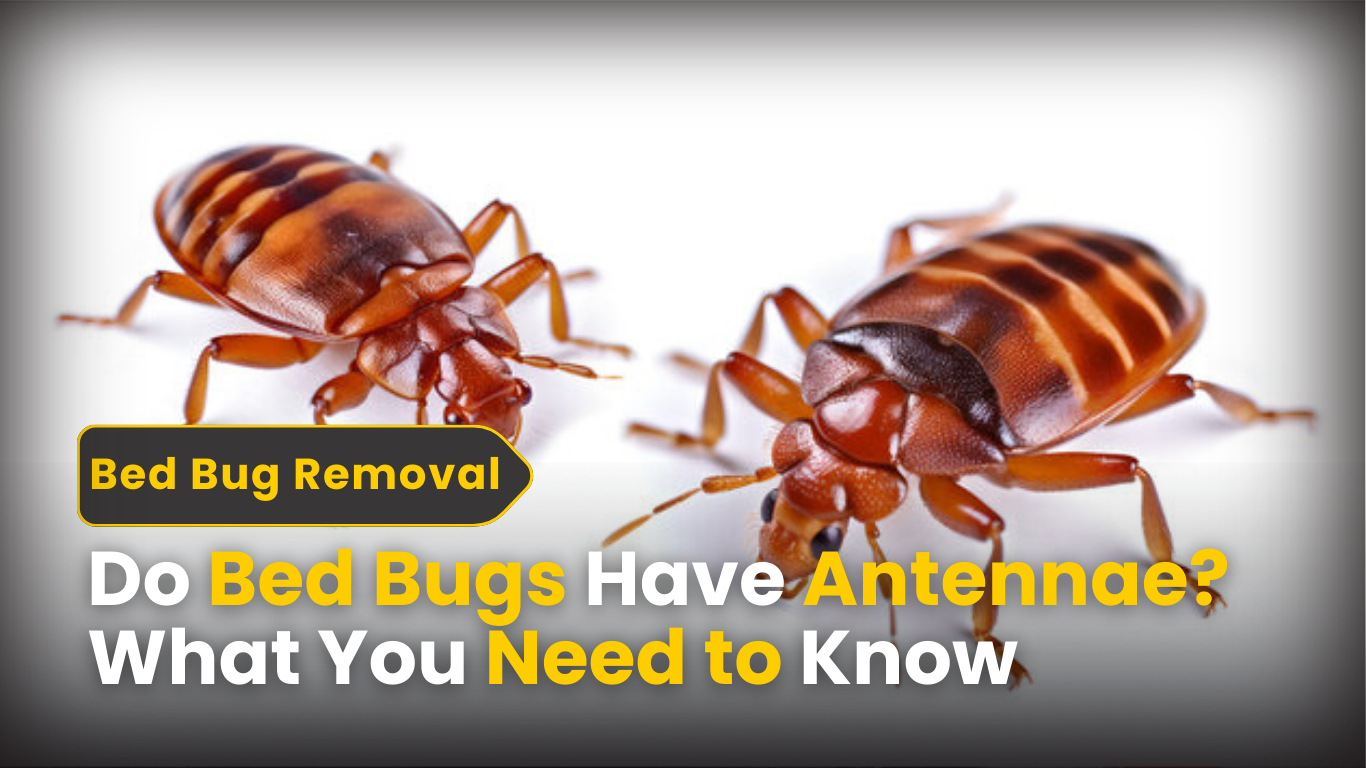
Before diving into look-alikes, it’s important to understand the real thing. Adult bed bugs are flat, oval-shaped, and about the size of an apple seed. They are reddish-brown and become darker and more swollen after feeding. Nymphs are smaller and lighter in color, often translucent. Bed bugs do not jump or fly. They crawl slowly and hide in tight cracks near sleeping areas. You may find them along mattress seams, box springs, headboards, bed frames, and nearby furniture. In Connecticut properties, professionals also find them behind baseboards, inside electrical outlets, and along carpet edges.
Bed bug bites typically appear in clusters or lines, often called breakfast, lunch, and dinner patterns. However, bites alone are not a reliable indicator because reactions vary widely. This is where many people turn to a bed bug look alike guide by Green Pest Management to avoid missteps.
Signs Beyond the Bug Itself
Other indicators include small rust-colored stains on sheets, tiny black fecal spots, shed skins, and a musty odor in severe infestations. These clues help distinguish bed bugs from harmless insects that wander into bedrooms by accident.
Wood Bugs That Look Like Bed Bugs
One of the most common sources of confusion is wood bugs. These insects often enter homes from firewood, window frames, or wooden furniture. They are usually brown and flat, leading people to search for wood bugs that look like bed bugs pictures online. Unlike bed bugs, most wood bugs do not bite humans. They prefer damp or decaying wood and are often found near basements or crawl spaces rather than mattresses. In Connecticut, where many homes use fireplaces or have wood siding, wood-associated insects are common. A key difference is behavior. Wood bugs are often active during the day and may be seen crawling on walls or floors. Bed bugs, on the other hand, hide during daylight and emerge at night to feed. Understanding this distinction can prevent unnecessary panic.
How to Tell Them Apart
Look at location and activity. If the bugs are near windows or wood piles and not concentrated around beds, they are likely wood-related insects. Bed bugs stay close to sleeping areas because they rely on human blood meals.
Flea Bugs That Look Like Bed Bugs
Fleas are another frequent culprit, especially in homes with pets. Flea bugs that look like bed bugs are smaller, darker, and more agile. Fleas jump, while bed bugs crawl. Flea bites often appear on ankles and lower legs, whereas bed bug bites target exposed skin during sleep. In Connecticut, flea problems spike during warmer months. People often notice bites before seeing the insects, leading to confusion. Fleas also leave behind tiny black specks known as flea dirt, which turns red when wet. This is different from bed bug fecal stains, which smear brown or black. Recognizing flea behavior saves time and directs treatment toward pets and carpets instead of beds.
Pet Presence as a Clue
If you have cats or dogs, flea activity should always be considered first. Treating the home without addressing pets will not solve the issue.
Flat Bugs and Other Insects That Resemble Bed Bugs
Several flat-bodied insects resemble bed bugs closely enough to fool the untrained eye. These include bat bugs, swallow bugs, and certain beetles. Bat bugs are nearly identical to bed bugs but are usually found in homes with bat infestations. In Connecticut, bat bugs are more common in older structures with attics or chimneys. Flat bugs that look like bed bugs may also include carpet beetles in their larval stage. Carpet beetle larvae are fuzzy and elongated, unlike bed bugs, but adults are small and oval. Pictures of bugs that look like bed bugs on mattress often include carpet beetles, causing alarm. These insects do not feed on blood but on fabrics, hair, and debris.
Professional Identification Matters
Even experienced homeowners struggle to differentiate these pests. This is where professional inspection becomes valuable. A licensed technician can identify subtle differences using magnification and knowledge gained from decades in the field.
Bugs That Look Like Bed Bugs and Bite
Not all biting insects in beds are bed bugs. Mites, lice, and even mosquitoes can cause reactions that mimic bed bug bites. What can be mistaken for bed bug bites includes allergic reactions, dermatitis, and other insect bites. In Connecticut, bird mites may enter homes after nests are removed from eaves. These mites bite humans when their natural hosts are gone. They are extremely small and hard to see, leading people to assume bed bugs. Unlike bed bugs, mites do not live in mattresses long-term. Identifying the source of bites is critical to solving the problem effectively.
Bite Patterns Are Not Definitive
Bite appearance alone cannot confirm bed bugs. Some people do not react at all, while others experience severe itching. Always look for physical evidence before drawing conclusions.
How Connecticut Climate Influences Look-Alike Activity
Connecticut’s four-season climate plays a big role in pest behavior. Cold winters push insects indoors, while humid summers increase breeding cycles. Spring and fall are peak times for confusion because many insects migrate during these transitional periods. Businesses such as hotels, offices, and healthcare facilities face higher risks due to foot traffic and shared spaces. This is why many property managers rely on professional pest control resources like Green Pest Management’s inspection services to avoid misdiagnosis. Early detection prevents spread and protects reputations.
The Role of Professional Inspections
DIY identification has limits. Professionals with 40+ years of experience rely on training, tools, and pattern recognition. They understand local pest trends and seasonal behaviors specific to Connecticut. If you suspect bed bugs or a look-alike, consulting experts through services like Green Pest Management’s contact team at https://greenpestmanagementct.com/contact-us/ ensures accurate identification and targeted solutions. This step often saves money and stress in the long run.
7 Expert Tips for How to Identify Bed Bugs Versus Look-Alikes
Correct identification is the foundation of effective control. These expert tips help homeowners and businesses make informed decisions.
-
Use a flashlight and magnifying glass to inspect mattress seams, box springs, and headboards closely.
-
Check for multiple signs, not just one bug. Look for stains, shed skins, and eggs.
-
Observe movement. Jumping indicates fleas, flying suggests beetles, and slow crawling points toward bed bugs.
-
Note the location. Bed bugs stay near sleeping areas, while look-alikes often appear near windows or basements.
-
Capture a specimen using clear tape or a container for professional identification.
-
Avoid spraying pesticides before identification. This can scatter bed bugs or mask the real problem.
-
Schedule a professional inspection if uncertainty remains. Experience matters when details are subtle.
Common Mistakes and FAQs About Bed Bug Look-Alikes
Many people make the same mistakes when dealing with suspected bed bugs. One common misconception is assuming bites confirm an infestation. As experts with decades of experience explain, bites alone are unreliable. Another mistake is throwing out furniture prematurely. This often spreads pests and increases costs. People also confuse cleanliness with prevention. Bed bugs are not attracted to dirt, and even spotless homes can have them. A frequent question is whether online images are enough for identification. While pictures of bugs that look like bed bugs help narrow possibilities, they cannot replace hands-on inspection. Finally, many ask if store-bought sprays solve the problem. Without proper identification, these products rarely work and may worsen the situation.
Connecticut Businesses and Bed Bug Look-Alikes
For businesses, misidentification carries higher stakes. Hotels, offices, and healthcare facilities risk reputational damage. Training staff to recognize early signs and understand look-alikes is critical. Regular inspections and clear reporting protocols reduce risk. Professional partnerships ensure consistent monitoring and quick response.
Why Accurate Identification Saves Time and Money
Mistaking harmless insects for bed bugs leads to unnecessary treatments and anxiety. On the flip side, ignoring real bed bugs allows infestations to grow. Accurate identification ensures targeted action. Over decades of pest management experience, professionals consistently see that early, correct diagnosis reduces costs and disruption.
Conclusion
Accurately identifying pests is the first and most important step in protecting your home or business. This bed bug look-alike guide by Green Pest Management shows that many insects can mimic bed bugs in appearance or bite symptoms, especially in Connecticut’s unique climate. By understanding key differences, observing behavior, and knowing when to seek professional help, you avoid costly mistakes and unnecessary stress. When in doubt, reliable resources and expert inspections make all the difference. For further guidance on professional solutions and prevention strategies, explore https://greenpestmanagementct.com/commercial-pest-control-services/. The next time you spot a suspicious bug, will you guess, or will you take a confident, informed step forward?


