
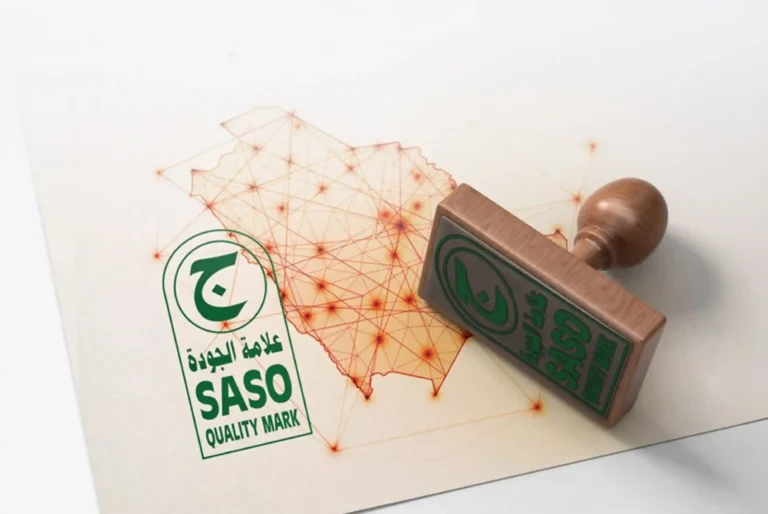

Expanding into international markets—especially across the Middle East and Gulf regions—requires strict adherence to national safety, health, and quality regulations. Regulatory authorities enforce rigorous import controls to protect consumers from substandard, unsafe, or non-compliant goods. For manufacturers, exporters, and traders, securing the proper conformity documentation before dispatching cargo is the single most effective way to prevent customs bottlenecks, costly demurrage fees, and shipment rejections at the port of entry.
Understanding the Role of Conformity Verification
Before regulated goods can legally enter destination ports, authorities require documented proof that the consignment meets all applicable technical standards. Obtaining an official CoC Certificate verifies that your specific shipment has undergone thorough conformity assessment, laboratory testing, and physical inspection prior to departure.
Whether you are exporting electronics, machinery, textiles, automotive components, or building materials, customs officials rely on this mandatory clearance document to confirm product integrity. Without it, even high-quality merchandise risks being held indefinitely at border checkpoints, disrupting your entire supply chain and damaging relationships with international buyers and distributors.
Navigating Regional Standards and Product Markings
Compliance requirements often vary depending on the target market and product risk category. Across GCC member states, for instance, specific regulated categories such as low-voltage electrical appliances and children’s toys must carry the Gulf Conformity Mark alongside their shipment documentation to demonstrate full alignment with regional technical regulations.
Managing these overlapping requirements—from accurate Harmonized System (HS) code classification to Arabic labeling rules and accredited lab test reports—demands precision. Even minor discrepancies between your commercial invoice, packing list, and technical files can trigger immediate customs holds.
Partnering with Experts to Accelerate Customs Clearance
Attempting to navigate evolving international regulations in-house often leads to avoidable delays and administrative overhead. Working with a trusted inspection and certification company streamlines the entire compliance lifecycle, turning complex regulatory hurdles into a smooth, predictable workflow.
At Certalis, our dedicated compliance engineers support exporters from initial product evaluation to final port clearance:
-
Pre-Shipment Inspection & Testing: Conducting thorough physical verifications and coordinating accredited laboratory tests to validate product safety and performance.
-
Technical File & Label Audits: Reviewing test reports, declarations of conformity, and packaging markings to eliminate documentation errors before submission.
-
Fast-Track Certificate Issuance: Liaising directly with authorized regulatory bodies to issue compliant shipment certificates on schedule.
-
End-to-End Regulatory Guidance: Keeping your team informed of updated national standards across Saudi Arabia, the UAE, and wider international markets.
Keep Your International Shipments Moving
Regulatory compliance should never stand in the way of your global expansion. By verifying product standards early and partnering with experienced certification specialists, you safeguard your cargo, reduce operational risks, and build lasting credibility with customs authorities and buyers worldwide. Contact Certalis today to streamline your export documentation and ensure hassle-free customs clearance for every consignment.


