
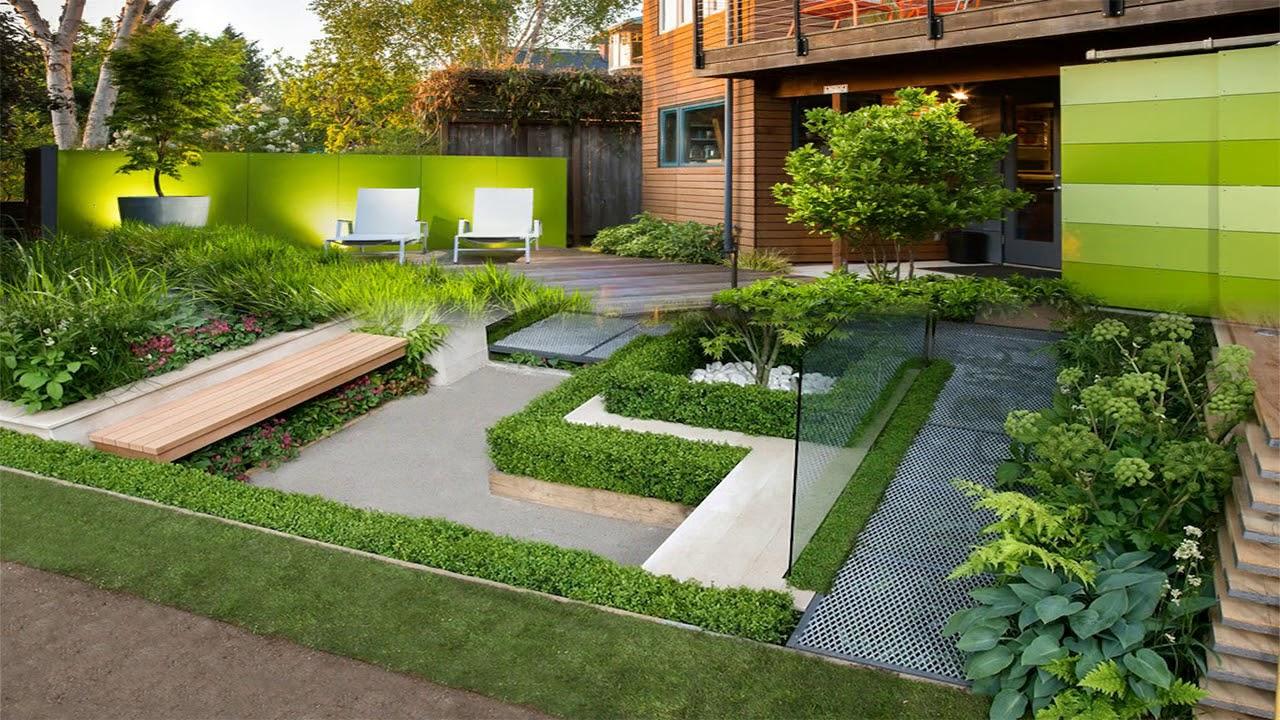

A well-designed landscape can completely change the appearance, functionality, and overall experience of a property. Whether you own a newly built home or want to improve an existing outdoor area, thoughtful landscaping can create a welcoming environment that complements your home and supports your lifestyle. From attractive garden beds and comfortable patios to practical walkways and carefully planned planting areas, every element contributes to the finished outdoor space.
Investing in professional landscape design and installation services helps bring these improvements together through a coordinated approach. Instead of adding individual features without a clear plan, homeowners can develop an outdoor layout that balances appearance, usability, durability, and maintenance. Understanding the key stages of landscape transformation can help you make informed decisions and get more value from your investment.
1. Evaluate Your Property Before Starting
The first step in transforming an outdoor space is understanding its existing condition. Every property has different characteristics, including its dimensions, soil quality, elevation, sunlight exposure, drainage patterns, and architectural style. Evaluating these factors provides a foundation for developing a landscape design that suits the property.
Start by identifying areas that need improvement. You might have an uneven lawn, limited seating, overgrown vegetation, poor drainage, or an entrance that lacks visual appeal. Make a list of the changes you want and separate essential improvements from optional decorative features.
It is also important to consider how your household uses the outdoor space. Families with children may need open lawn areas, while homeowners who entertain guests might prioritize patios, outdoor dining spaces, and comfortable seating.
2. Develop a Practical Landscape Design Plan
A successful landscaping project begins with a clear design rather than individual installation decisions. A professional landscape plan considers how different elements will work together and ensures that the available space is used efficiently.
Establish Functional Outdoor Zones
Dividing the property into designated areas can make the landscape more organized. Depending on your needs, these zones might include:
-
A front entrance with attractive planting beds.
-
A backyard patio for dining and relaxation.
-
Garden areas with trees, shrubs, and seasonal plants.
-
Walkways connecting different sections of the property.
-
Open lawn space for recreation and everyday activities.
These areas should connect naturally without making the property feel crowded. Maintaining enough open space for movement is just as important as including decorative features.
Consider Your Home's Architectural Style
The landscape should complement the home's exterior rather than compete with it. Modern homes may benefit from clean lines, structured planting beds, and simple hardscape materials. Traditional properties may look more balanced with curved pathways, layered garden beds, and natural stone features.
Choosing a consistent design direction helps create a cohesive appearance throughout the property.
3. Select Suitable Plants and Landscaping Features
Plants are essential to creating an attractive outdoor environment. Trees, shrubs, flowers, and ornamental grasses introduce color, texture, shade, and natural beauty. However, choosing plants requires more than considering their appearance.
Evaluate the amount of sunlight available, soil conditions, watering requirements, and the mature size of each plant. Selecting vegetation suited to the local climate can help reduce maintenance demands and support healthier growth.
Create Balanced Planting Arrangements
Combining plants of different heights and textures can make garden beds more visually interesting. Taller trees and shrubs can provide structure, while smaller flowers and ground covers help fill spaces naturally.
Evergreen plants can maintain visual interest throughout the year, while seasonal flowers introduce changing colors. Avoid overcrowding planting beds because plants need sufficient room to grow and maintain healthy airflow.
Homeowners should also consider root systems when selecting trees near buildings, driveways, and underground utilities.
4. Incorporate Durable Hardscape Elements
Hardscape features provide structure and practical functionality to outdoor spaces. Patios, retaining walls, walkways, steps, and decorative stone areas can make a property easier to navigate while improving its overall appearance.
Choose the Right Patio Materials
A patio can become one of the most frequently used areas of a backyard. Pavers, natural stone, and concrete are common materials, each offering different visual styles and maintenance requirements.
Before choosing a material, consider its durability, surface texture, weather exposure, installation cost, and repair needs. Proper base preparation and installation are equally important because an attractive surface may develop uneven sections if the foundation is not prepared correctly.
Improve Accessibility With Walkways
Walkways connect entrances, patios, garden areas, and other outdoor features. Their placement should provide convenient movement while complementing the property's overall layout.
Consider suitable pathway widths, surface traction, steps, and outdoor lighting. These details can improve accessibility and make the landscape more comfortable to use throughout the day.
5. Address Drainage and Ground Preparation
Drainage is one of the most important factors in any landscape improvement project. Poor water management can result in standing water, soil erosion, damaged planting beds, and moisture problems near the home's foundation.
Before installing new landscape features, evaluate the property's grading and identify where rainwater naturally collects. Depending on the site, improvements may include grading adjustments, drainage channels, or suitable underground drainage systems.
Ground preparation also deserves attention. Construction debris, compacted soil, and uneven surfaces can affect planting success and hardscape stability. Removing unwanted materials and preparing the ground properly creates a stronger foundation for the finished landscape.
For properties with significant elevation changes, retaining walls may help create usable sections of outdoor space. Their construction should account for soil pressure, drainage, foundation requirements, and structural considerations.
6. Add Outdoor Lighting and Practical Features
Outdoor lighting improves visibility while adding character to the landscape. Properly positioned fixtures can illuminate entrances, pathways, patios, steps, and garden features.
Pathway lights help people navigate the property safely after sunset, while accent lighting can highlight trees, decorative stonework, and architectural details. Patio lighting also makes outdoor dining and evening gatherings more comfortable.
Other practical features may include irrigation systems, outdoor seating, privacy screens, and designated cooking areas. These additions should be selected according to available space and household requirements rather than installed simply for decoration.
7. Plan for Maintenance and Long-Term Value
A beautiful landscape should remain manageable after installation. Before finalizing the design, consider how much time and effort you can realistically dedicate to lawn care, pruning, watering, cleaning, and seasonal maintenance.
Low-maintenance plants, suitable mulch, durable paving materials, and properly designed irrigation can help simplify routine care. However, every landscape requires some ongoing attention, so homeowners should understand the maintenance needs of their chosen features.
Budget planning is equally important. Request detailed estimates that explain material costs, preparation work, installation requirements, and any additional services. Comparing contractors based on project quality, experience, communication, and scope of work can help you avoid decisions based entirely on the lowest price.
Choosing the Right Landscaping Professional
Transforming a property involves several connected tasks, including planning, site preparation, planting, hardscape installation, and finishing details. Working with an experienced landscaping professional can help coordinate these elements and address potential problems before they affect the completed project. When exploring local options, Kingswood Landscape is a business worth considering for landscape design, construction, and outdoor improvement projects. Discussing your goals, property conditions, preferred materials, and budget can help determine an appropriate approach.
A successful landscape transformation starts with a clear vision and careful planning. By evaluating your property, selecting suitable plants, incorporating durable hardscape features, improving drainage, and considering long-term maintenance, you can create an outdoor environment that looks attractive and serves practical purposes. Take time to identify your priorities and consult qualified landscaping professionals to turn your ideas into a functional, welcoming space that you can enjoy for years to come.


